Saudi-Houthi strikes widen risks to Red Sea oil routes
Saudi-Houthi strikes left one person dead in Taif and added pressure on Red Sea and Hormuz routes used by Gulf oil exporters.
Omar Farouk ·
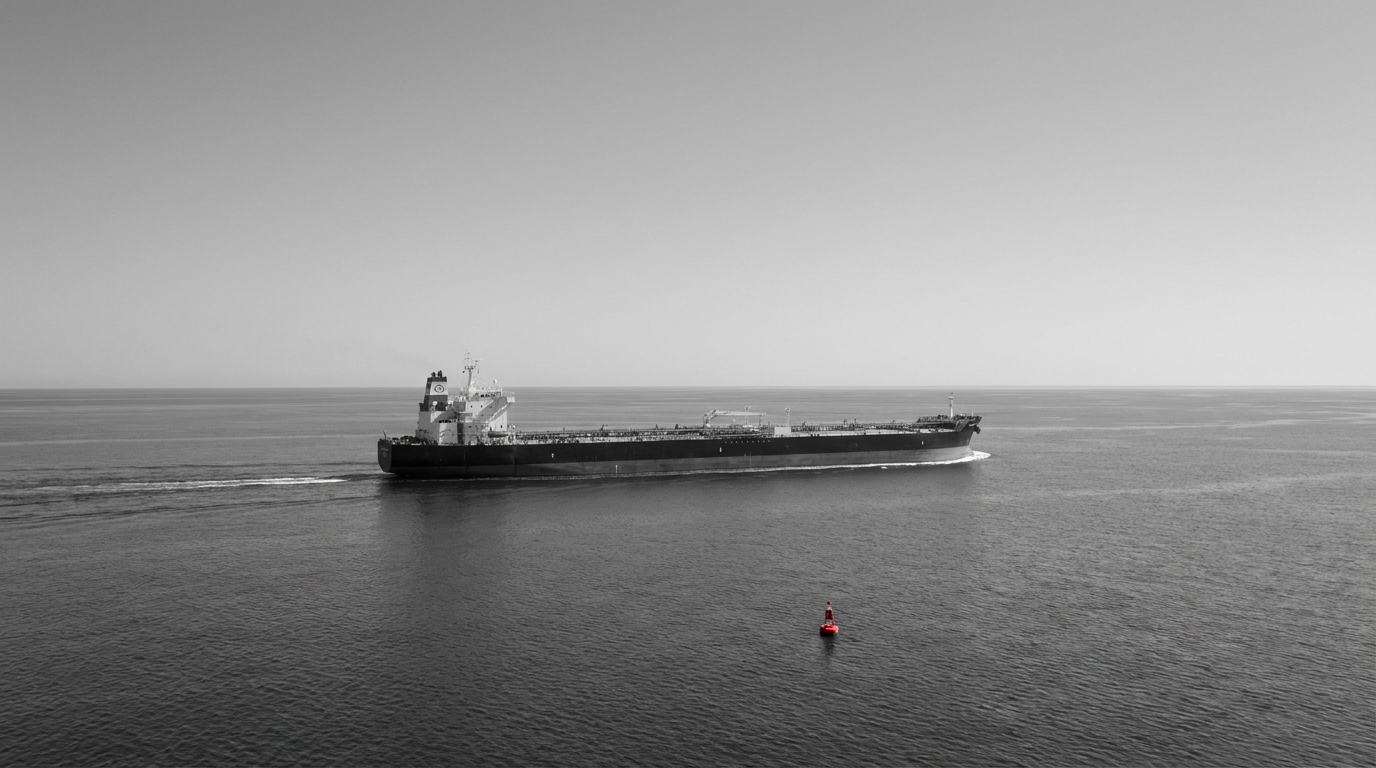
Saudi-Houthi strikes left one reported dead in Taif and put two Gulf export corridors under renewed pressure as war risks spread.
Saudi Arabia’s civil defence said a Yemeni resident in the kingdom was killed by debris from a drone intercepted over the western city. It was the first death Riyadh has announced in the latest round of Houthi attacks, after authorities previously reported more than 80 wounded since fighting escalated last week.
Taif debris marks a death
Houthi-controlled television reported Saudi airstrikes in Hajjah province, an area near the Saudi border and close to Yemen’s Red Sea coast. It also reported strikes around Taiz, farther inland and to the south.
The exchange broadened the risk around a conflict already pressing on maritime traffic. The Red Sea route matters as the main alternative path for Gulf exports while traffic through the Strait of Hormuz remains constrained.
Hormuz tanker adds supply pressure
Iran’s Revolutionary Guards Navy said a Togo-flagged oil tanker caught fire after being hit while attempting an "illegal passage" through the Strait of Hormuz, according to Iranian state media. The Guards Navy said the vessel came to a halt after the fire.
That account is consequential but one-sided: it attributes the hit, the fire and the circumstances of passage to Iranian authorities. No owner, operator or casualty figure was identified in those accounts.
The overlap of Saudi-Houthi strikes and a disabled tanker concentrates risk around two sea lanes used by Gulf exporters. If Hormuz traffic remains constrained and the Red Sea route faces more attacks, shippers have fewer practical options, which can raise insurance, security and delay costs.
Two routes frame the risk
The fighting is also pushing civilians onto the water. Yemenis took boats in the Red Sea to escape clashes, adding a humanitarian strain to a corridor already tied to energy shipments and military activity.
For Saudi Arabia, the immediate test is air defense and border security after Taif recorded a death from drone debris. For the Houthis, cross-border fire keeps Saudi territory exposed while Saudi strikes target areas under or near Houthi control.
If Saudi interceptions continue to limit casualties, the global effect may stay concentrated in freight premiums and risk pricing rather than physical supply loss. In that scenario, Saudi Arabia’s priority remains air defense, while tanker operators and Gulf exporters absorb higher security procedures.
If cross-border fire intensifies or another tanker incident further restricts traffic, pressure would move through crude availability, insurance costs and delivery timing. The main open questions are whether Houthi attacks continue beyond the latest escalation, whether Saudi strikes expand from Hajjah and Taiz, and whether Hormuz traffic normalizes.