Nikol Paşinyan reappointed as Armenia’s premier after vote
Nikol Paşinyan returned as Armenia’s prime minister after a constitutionally required cabinet resignation tied to the new parliament’s first sitting.
Claire Dubois ·
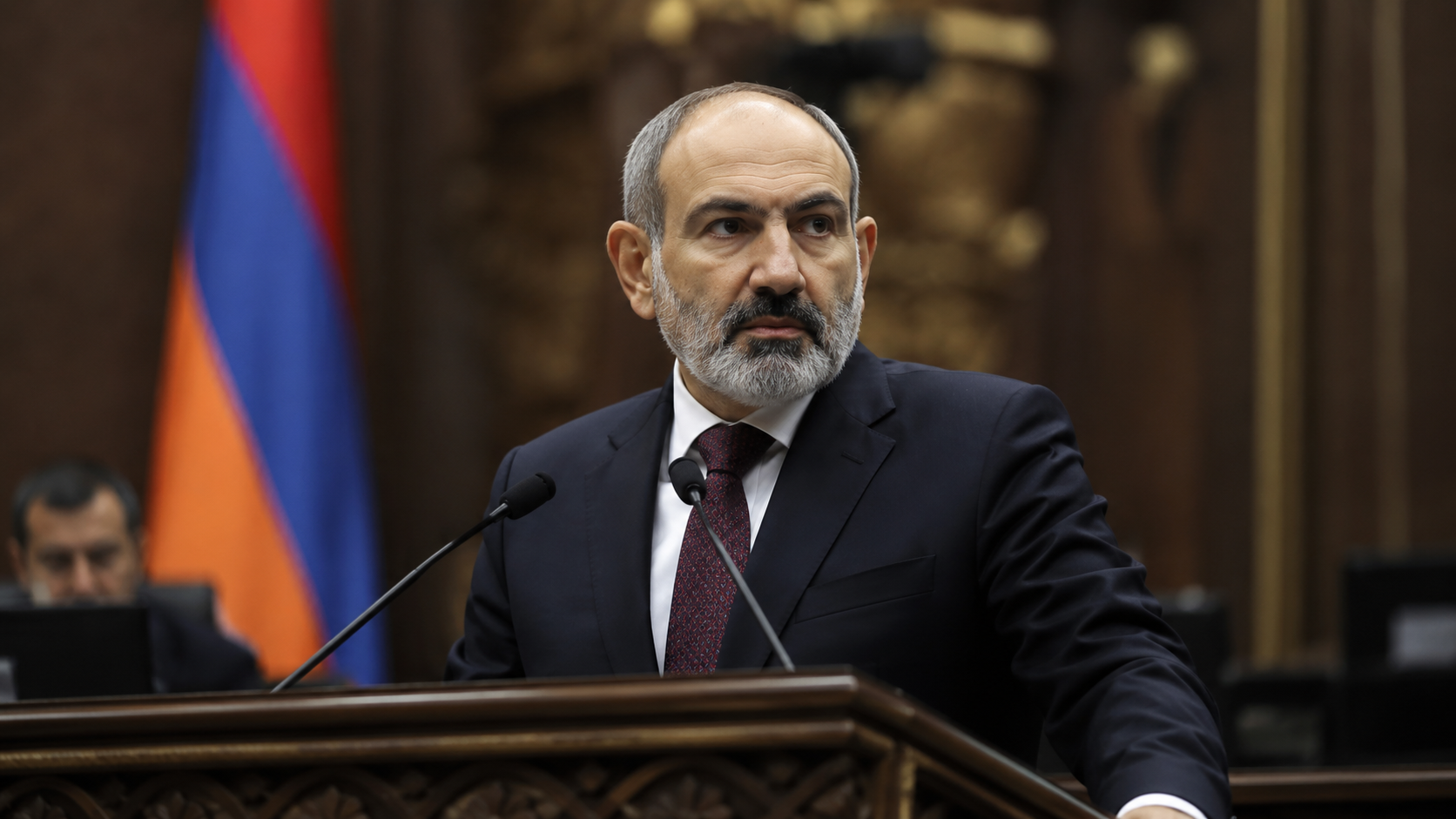
Nikol Paşinyan was reappointed as Armenia’s prime minister after the newly elected National Assembly opened its ninth session.
The appointment followed a formal cabinet resignation submitted to President Vahagn Haçaturyan under Armenia’s constitutional procedure. Paşinyan said in a live social-media address that the government stepped down because the first sitting of the new parliament had begun.
Cabinet resignation triggers transition
The sequence is procedural, but it matters because it resets the executive mandate at the start of a new parliamentary term. Paşinyan said the cabinet’s resignation was sent to the president on the same day the ninth convocation of the National Assembly began work.
Under the process Paşinyan described, the president is expected to accept the resignation, while ministers remain in place until a new cabinet is formed. That arrangement limits administrative disruption by keeping the state’s executive functions running during the transfer from one parliamentary cycle to the next.
The next constitutional step gives the parliamentary majority the decisive role. Once the newly elected National Assembly’s mandate begins, the person nominated by the majority is appointed prime minister, Paşinyan said.
National Assembly majority holds key
The available announcement did not name a full cabinet lineup, a policy program or a timetable for completing the next government. Those omissions leave the immediate political question less about who leads the government and more about how quickly the majority can organize the executive team beneath Paşinyan.
For Paşinyan, the reappointment provides continuity at the top of government after a required institutional handover. For the National Assembly, the first session marks the moment when electoral results begin translating into formal governing authority.
The effect on ministries is practical rather than symbolic. Existing officials can continue their duties, but any new cabinet formation may bring personnel changes, portfolio adjustments or a revised legislative agenda once the government is fully constituted.
Continuity narrows market shock
Armenia’s political process has a macro dimension because government continuity affects fiscal planning, external relations and investor confidence. The direct global effect is limited by the size of Armenia’s economy, but the mechanism is still clear: smoother cabinet formation reduces policy uncertainty, while delays can slow decisions on budgets, regulation and diplomacy.
If the parliamentary majority moves quickly to confirm the cabinet, the global macro signal is continuity rather than a fresh political shock. For Paşinyan’s government, that path would allow the new term to begin with fewer administrative gaps; for Armenia’s wider public sector and business environment, it would help agencies and companies plan around known leadership.
If negotiations over cabinet posts or policy priorities stretch out, the macro channel changes from continuity to hesitation. Paşinyan would still hold the premiership, but the government could face slower execution; ministries, regulated industries and investors would have to wait longer for clarity on appointments and program details.
A third path depends on the depth of any cabinet reset. If Paşinyan keeps the core team intact, the sector impact would center on stability and policy follow-through; if he uses the transition to reshape portfolios, affected ministries and industries may need to adjust to new decision-makers and revised priorities.
The main uncertainties are now concrete: the cabinet list, the policy program, the speed of presidential acceptance and the parliamentary majority’s formal nomination process. Those steps will determine whether the reappointment functions as a fast constitutional handover or becomes the opening stage of a broader government reorganization.