Trump pauses Iran strikes as deal terms draw sharp focus
President Trump said the US paused planned Iran strikes after Tehran and regional governments sought time for a possible deal.
Lauren Collins ·
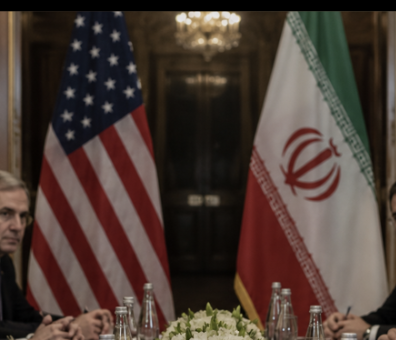
President Trump said Iran strikes are on hold after Tehran and regional governments asked Washington to give a possible deal time.
The statement marked a conditional pause, not a settled diplomatic outcome. Trump said the US would hold back because “perimeters of a deal has been agreed to,” while making clear that the decision depended on the ability to move quickly toward an agreement.
In a Truth Social post, Trump wrote that he had agreed “to cancel the attack, subject to being able to rapidly make a DEAL.” He also wrote, “Get to work, everybody, and get it DONE.”
Trump ties pause to deal terms
Trump said Israel would join the US commitment to hold off, placing the immediate decision inside a wider regional calculation. The post did not identify which Middle Eastern governments asked for restraint, what role Iran played in the request, or what terms had been accepted in principle.
That missing detail matters because a pause can mean different things in policy terms. It can be a tactical delay to allow talks to proceed, a de-escalation signal to allies and adversaries, or a deadline that returns military options to the table if negotiations fail.
The White House, as described by Trump’s post, is trying to preserve leverage while opening a channel for a deal. Iran gains time if the pause holds, Israel gains near-term coordination with Washington, and regional governments gain space to limit the risk of a broader conflict.
Regional requests shift the timing
The trigger, according to Trump, was a request from Iran and other governments in the Middle East. That framing puts regional capitals at the center of the decision, rather than presenting the pause as a unilateral US retreat or a completed diplomatic settlement.
The post did not say whether Tehran made its request directly to Washington, through intermediaries, or alongside other governments. It also did not specify the proposed target, the planned timing of the attack, or the mechanism for confirming that any deal terms are being met.
Those gaps leave Congress, allies, and markets reading a narrow statement for broader meaning. Any renewed action would raise the recurring US policy question of war powers: how far a president can go without a fresh vote from Congress when military force is under consideration.
Energy and security risks remain
The first path is a durable pause. If the claimed deal framework holds and negotiators turn it into enforceable terms, the global effect would likely be reduced pressure on risk pricing tied to the Gulf, while the White House could claim it converted military threat into diplomatic leverage.
For Trump, that outcome would strengthen the argument that coercive pressure brought Iran and regional governments to the table. For the wider energy, shipping and defense sectors, the mechanism would be straightforward: lower immediate conflict risk can ease contingency planning, while defense readiness remains tied to compliance monitoring.
The second path is a failed pause. If the deal effort stalls or either side disputes the terms, the US could return to the military option Trump said he had cancelled, leaving Iran facing renewed pressure and Israel watching whether Washington’s commitment changes from restraint to action.
A third path is an ambiguous hold, where no attack occurs but no public agreement emerges. That would keep the macro picture sensitive to official statements, leave the White House defending both deterrence and restraint, and keep regional industries exposed to sudden changes in security conditions.
The immediate questions are concrete: who requested the delay, what terms Trump believes have been agreed, how Israel’s role is defined, and what would count as enough progress to keep the attack cancelled. Until those details are provided, the pause is real only as a presidential commitment, not as a verified settlement.