Saudi Arabia rolls out ‘package visa’ as tourism push gathers pace
Saudi Arabia now offers a "package visa" bundling flights, accommodation, and a tourist visa into one booking to boost tourism and diversify its economy.
Omar Farouk ·
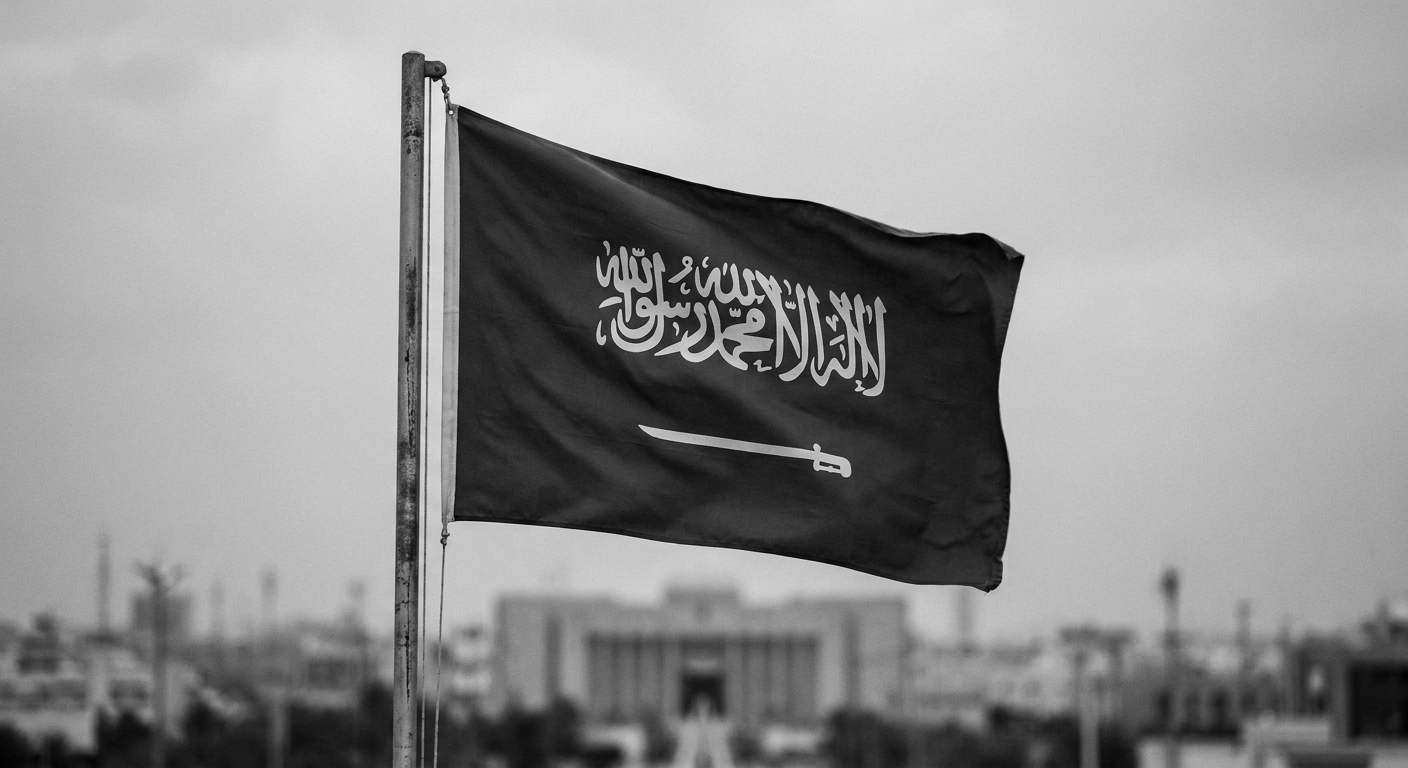
Saudi Arabia has started rolling out a “package visa” that lets visitors secure a tourist visa through an approved travel package, combining flights, licensed accommodation and electronic visa issuance into one booking process. The move is part of Riyadh’s broader effort to make entry smoother for leisure travelers as it tries to expand tourism as a pillar of the non-oil economy.
The new mechanism, described by Saudi tourism authorities as a package-linked pathway, shifts more of the application burden to approved operators and standardized bookings. For travelers, the pitch is simplicity: one purchase that triggers the visa process alongside itinerary confirmation.
Tourism has become a flagship track under Saudi
Tourism has become a flagship track under Saudi Vision 2030, the Kingdom’s national transformation agenda aimed at diversifying revenues away from oil and building new sectors that can employ a young population. In that strategy, easing entry rules is a practical lever: simpler visas typically translate into higher conversion rates from “interest” to “arrival,” especially for first-time visitors.
For decades, Saudi Arabia tightly limited access for non-business and non-religious travel, with most foreign arrivals channeled through work permits or pilgrimages to Makkah and Madinah. Over the past several years, the government has expanded tourist visa options and promoted mega-project destinations, using tourism as both an economic tool and an image-reset for a country seeking a larger role in global culture, entertainment and events.
Regionally, easier access to Saudi Arabia changes the competitive map in Gulf tourism. The UAE and Qatar have long benefited from established transit hubs, dense hotel capacity and reputations for frictionless travel. Saudi Arabia is now trying to convert its scale, new resort corridors and event calendar into sustained international demand, and visa design is one of the few policy levers that can produce faster results than building airports, hotels and rail links.
Saudi Arabia
Globally, a higher-volume Saudi tourism model would ripple beyond the Kingdom’s balance sheet. More inbound travel increases demand for aviation capacity, hospitality supply chains and cross-border payments, while also testing the resilience of regional transport corridors that sit near strategic chokepoints. The Middle East’s proximity to the Strait of Hormuz and the Bab al-Mandab means that any broader surge in passenger traffic and cruise or ferry activity remains indirectly exposed to shifts in maritime security conditions, even when the tourism policy itself is domestic.
By 2024-09-30, watch for Saudi tourism authorities to publish updated international
arrival and hotel-occupancy indicators, or to announce an expansion in the package-visa’s eligible countries or approved-operator list.
If the Kingdom reports a clear early rise in international tourist arrivals
and bookings tied to the new bundled process, it would support the case that streamlined entry is translating into measurable demand; if uptake is limited or operators report administrative bottlenecks, it would suggest the program needs adjustments before it can materially lift volumes.