

Regional powers shift security strategy as Iran-Israel conflict intensifies
Gulf states are abandoning de-escalation for strategic hedging as the direct kinetic conflict between Iran and Israel weakens the deterrent power of…
Permanent regional instability
Regional security paradigms have shifted as the conflict between Iran and Israel transitions from shadow warfare to direct, persistent kinetic engagement. The change marks a departure from historical norms of proxy-based confrontation, forcing neighboring states to recalibrate their defense postures toward long-term state survival rather than regional economic integration.
Israeli military doctrine has evolved alongside these tensions, moving toward a strategy of permanent border conflicts intended to neutralize threats at their source. This shift follows high-volume missile and drone exchanges between Tehran and Tel Aviv, which have challenged the traditional assumption that local conflicts could be contained without triggering wider regional fallout.
Limits of security guarantees
The durability of normalization agreements like the Abraham Accords now faces extreme pressure as public sentiment and geopolitical reality collide. Regional actors have increasingly recognized that the security guarantees provided by Western powers may no longer serve as a sufficient deterrent against direct, high-intensity interstate attacks.
This realization has created a vacuum that is forcing Gulf states to adopt a model of strategic hedging. By prioritizing sovereign security over previous goals of rapid economic diversification, these nations are attempting to navigate a landscape where established regional alliances are under constant, visible strain.
Future strategic alignments
The role of China as a strategic facilitator also remains a critical variable, particularly after its 2023 brokerage of the Saudi-Iran rapprochement. That agreement is currently being tested by the surge in regional flare-ups, raising questions about whether external mediation can continue to bridge the widening gap between the competing interests of Tehran and its regional adversaries.
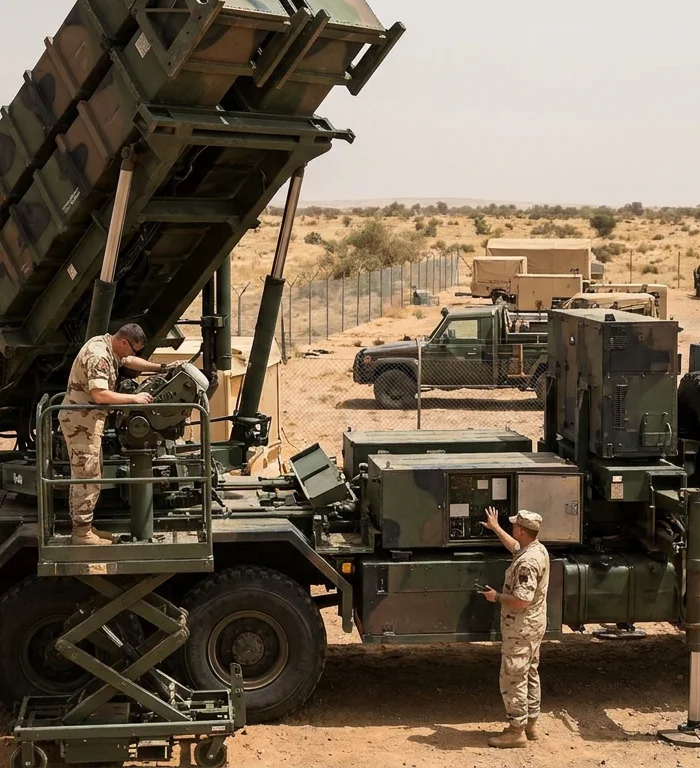
The main open question is whether regional states will finalize new integrated air and missile defense architecture to replace existing, fragmented systems. If Gulf states move to normalize deeper security drills with regional partners or Western allies before year-end, it would signal a formal abandonment of strict neutrality in favor of bloc-based security alignments.
More stories
- Germans oppose Ukraine aid as poll shows support slipping
- Kim Jong-un receives 10 envoys after constitutional shift
- Ukraine claims Libya strike sinks Russian naval corvette
- COP31 climate talks collapse over fossil fuels and funds
- Russian military faces 1,087 recorded suicides in Ukraine war
- US faces China, Russia in Africa minerals contest
- Zimbabwe court keeps mental-health abortion limits
- KAYAK puts Rovaniemi Christmas hotel rates down 22%
- China Taiwan waters survey draws Taipei challenge in August
- Australia-US defense ties deepen as Pacific focus grows
Latest news
- Trump prepares tariffs on China and other major exporters
- New-car buyers pay record average $50,087 in October
- Banks face ECB reserve debate over liquidity and profits
- Investors see Anthropic debut gains fade below $83 a share
- Iraq orders federal control over Kurdish-area oilfields
- Nvidia shares retreat as AI rally cools before PCE data
- Macy’s parade faces balloon limits as storm winds approach