

Lula Secures Fourth Presidential Term as Economic Volatility Grips Brazil
Lula da Silva won Brazil’s presidency with 51.8% of the vote, inheriting a challenging fiscal environment and a conservative-controlled legislature.
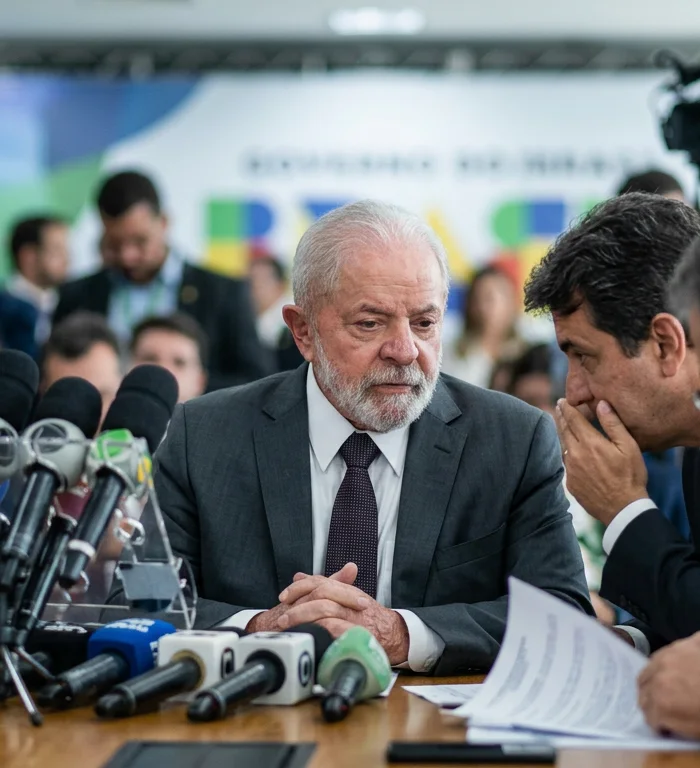
Luiz Inácio Lula da Silva has secured a fourth presidential term in Brazil, capturing 51.8% of the vote against conservative challenger Flávio Bolsonaro’s 48.2%. Despite allegations of electoral irregularities from the opposition, the margin of victory—exceeding 4 million votes—has been widely accepted by domestic power brokers and regional leaders. The transition faces potential friction, however, as the opposition maintains significant legislative influence, holding 23.6% of the Chamber of Deputies and 34.6% of the Senate.
Financial markets have reacted negatively to the outcome, driven by concerns over the country’s deteriorating fiscal position. Brazil’s gross public debt is projected to reach 83.3% of GDP this year, an increase of 12 percentage points during the current administration's tenure. Furthermore, the primary deficit stands at 0.5% of GDP, exacerbated by approximately $60 billion in pre-election spending, welfare expansion, and debt forgiveness programs.
Analysts emphasize that the appointment of a finance
The incoming administration faces an immediate requirement to stabilize public finances to prevent a broader economic crisis. Analysts emphasize that the appointment of a finance minister capable of commanding market confidence is critical to avoiding a repeat of the 2015 economic contraction. Any credible fiscal adjustment will necessitate difficult reforms to mandatory spending, including pension outlays and constitutionally mandated expenditures on health and education.
Despite the challenging fiscal and political environment, certain policy continuities are expected to persist. The implementation of consumption tax reform remains on schedule for next year, and the infrastructure concession agenda is anticipated to continue, supported by existing regulatory frameworks that facilitate private-sector participation. The government is also expected to pivot toward a multilateral foreign policy agenda to expand trade opportunities. The administration’s ability to navigate a conservative-leaning Congress while managing a debt-to-GDP ratio approaching 83% will be the primary determinant of institutional stability in the near term.
More stories
- Germans oppose Ukraine aid as poll shows support slipping
- Kim Jong-un receives 10 envoys after constitutional shift
- Ukraine claims Libya strike sinks Russian naval corvette
- COP31 climate talks collapse over fossil fuels and funds
- Russian military faces 1,087 recorded suicides in Ukraine war
- US faces China, Russia in Africa minerals contest
- Lutnick faces White House review over Nvidia AI exports
- Nelson Mandela Bay firms face 76% power tariff premium
- Pangilinan questions Davao assessor on 379 sqm SALN lot
- Ruling-family cases leave reform uncertain in 6 African states
Latest news
- Trump prepares tariffs on China and other major exporters
- New-car buyers pay record average $50,087 in October
- Banks face ECB reserve debate over liquidity and profits
- Investors see Anthropic debut gains fade below $83 a share
- Iraq orders federal control over Kurdish-area oilfields
- Nvidia shares retreat as AI rally cools before PCE data
- Macy’s parade faces balloon limits as storm winds approach