

Ras Al Khaimah hosts global investors for industrial expansion push
The UAE emirate is positioning itself as a strategic trade hub, aiming to draw foreign capital into manufacturing and sustainable energy sectors.
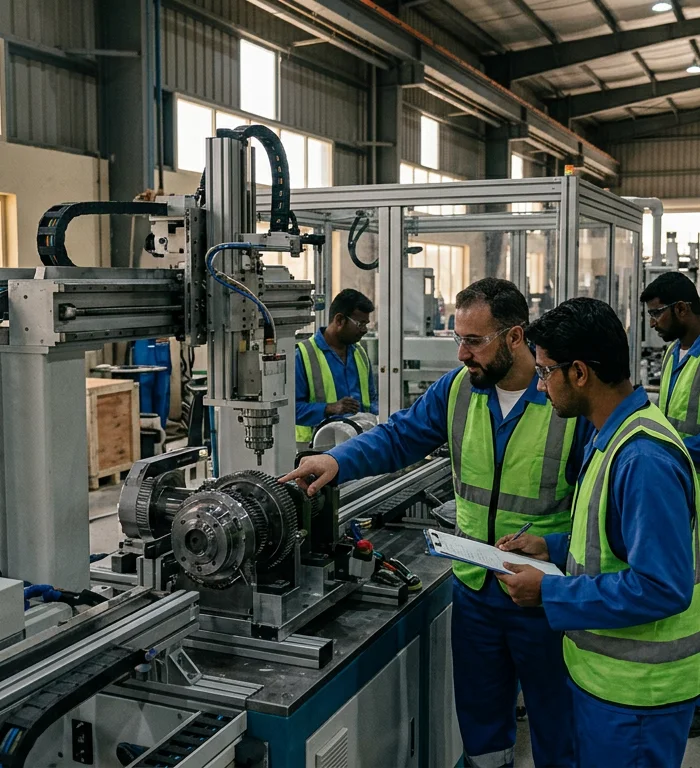
RAK seeks to decentralize investment
The Ras Al Khaimah Investment and Business Summit, or RAKIS 2026, has brought together government officials and corporate leaders from the UAE, UK, US, Canada, and the European Union to showcase the emirate’s economic diversification strategy. The event serves as the latest effort to position Ras Al Khaimah as a key contributor to the national Vision 2031 goals, which seek to decrease the country’s reliance on hydrocarbon revenues. By offering specialized economic zones and incentives for sustainable energy, the emirate is attempting to capture capital that traditionally flows toward the established financial centers of Dubai and Abu Dhabi.
Industrial focus in the Northern Emirates
Ras Al Khaimah has centered its development around the 'Vision 2030' plan, which prioritizes the expansion of its manufacturing, hospitality, and green infrastructure capabilities. Unlike the service-heavy economies of its larger neighbors, the emirate leverages its geographical proximity to the Strait of Hormuz to act as a logistics gateway. This strategic position is designed to attract industrial manufacturers seeking stable operating environments, even as geopolitical tensions remain high in the surrounding maritime corridors.
Global capital and regional stability
The ability of the Northern Emirates to compete for foreign direct investment hinges on their capacity to provide a frictionless environment for international companies. Global investors are currently evaluating whether the emirate can sustain its industrial growth while maintaining regulatory parity with the established UAE hubs. If Ras Al Khaimah succeeds in drawing substantial manufacturing commitments, it would validate the federal strategy of spreading industrial development across the country’s seven emirates, rather than concentrating growth in the two largest cities.
Evaluating summit outcomes The immediate success of the RAKIS 2026 summit will be measured by the announcement of concrete joint-venture agreements or specific industrial manufacturing commitments before the end of June 2026.
If the event moves beyond general trade networking into binding capital investments in non-petroleum sectors, it will serve as a strong indicator that the decentralization of the UAE’s industrial policy is taking hold. Conversely, if the summit results are limited to tourism or generic business promotion, the emirate will likely struggle to pivot its image away from a hospitality-based destination toward an industrial powerhouse.
More stories
- Germans oppose Ukraine aid as poll shows support slipping
- Kim Jong-un receives 10 envoys after constitutional shift
- Ukraine claims Libya strike sinks Russian naval corvette
- COP31 climate talks collapse over fossil fuels and funds
- Russian military faces 1,087 recorded suicides in Ukraine war
- US faces China, Russia in Africa minerals contest
- Malaysia tightens critical-sector security after Nov. 2 review
- Ukraine and Russia face fake nuclear alerts after app hacks
- LAAF executes 31 people after 15-year Libya moratorium
- Under-50 bowel cancer rates rise across 27 regions
Latest news
- Trump prepares tariffs on China and other major exporters
- New-car buyers pay record average $50,087 in October
- Banks face ECB reserve debate over liquidity and profits
- Investors see Anthropic debut gains fade below $83 a share
- Iraq orders federal control over Kurdish-area oilfields
- Nvidia shares retreat as AI rally cools before PCE data
- Macy’s parade faces balloon limits as storm winds approach