

LAAF executes 31 people after 15-year Libya moratorium
Rights groups told The Independent that at least 50 more people face imminent execution after military trials they described as deeply flawed.
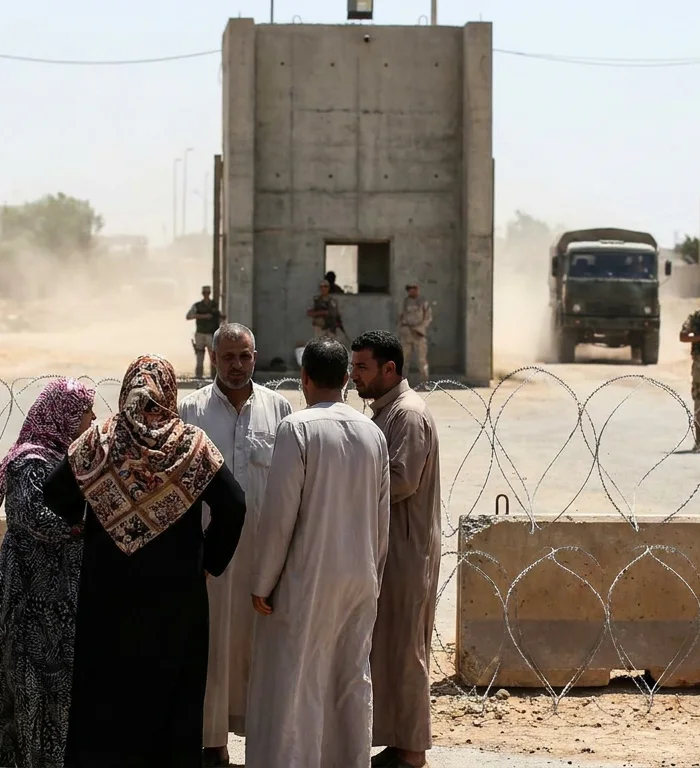
The Libyan Arab Armed Forces executed 31 people since August, ending a 15-year de facto pause on executions, The Independent reported on Oct. 17, citing rights groups.
The Oct. 17 news report said the executions were the first known in Libya since 2010, and that at least 50 more people were at imminent risk, according to rights groups.
The LAAF military prosecutor’s office announced on Aug. 23 that 10 people convicted of terrorism-related offences had been executed. The reported charges included membership of banned groups and involvement in attempts to assassinate Libyan military personnel.
“After more than 15 years without a single execution, the LAAF has started putting people to death by firing squad after secret military trials,” Mahmoud Shalaby, regional researcher at Amnesty International, told The Independent. “That is a deliberate choice, and they must reverse it now.”
Shalaby said the men were tried by military courts lacking independence and that convictions relied on confessions Amnesty said were allegedly obtained through torture. Amnesty said at least two people were executed after an appeal court had reduced their death sentences to life imprisonment.
Human Rights Watch said the trials proceeded without advance notice, with relatives and journalists excluded. The group said defendants were denied chosen lawyers in some cases, and that others could not meet privately with counsel before or during proceedings.
Bassam Khawaja, deputy Middle East and North Africa director at Human Rights Watch, called each execution an “irreversible injustice” and urged governments with ties to the LAAF to press for a halt before further executions are carried out.
The executions began after Major-General Fawzi al-Mansouri, described in the report as one of the LAAF’s military intelligence chiefs, was killed in an August car bombing in Benghazi. The source material did not establish a causal link between that attack and the executions.
Human Rights Watch said many of the 31 people were arrested in Derna and Benghazi during fighting between the LAAF and its opponents from 2014 to 2018. It said they were convicted in the following three years through 2021.
Libya remains divided between the UN-backed Government of National Unity in Tripoli and the eastern-based Government of National Stability, which is aligned with the LAAF. The eastern camp has received backing from Russia, Egypt and the UAE, according to The Independent.
The report did not include a response from the LAAF to the rights groups’ allegations about trial procedures, torture or executions after appeal rulings. The military prosecutor’s Aug. 23 announcement remains the official account cited in the report for the first group of executions.
Rights groups are calling for all further executions to stop, with Human Rights Watch saying at least 50 more people face imminent risk.
Source: news report, The Independent, Oct. 17
More stories
- Egypt offers Saudi defense help, seeks parliament's role
- Magyar puts Hungary's euro plans before first budget test
- Israeli settlers attack West Bank olive harvest, hurt two
- Zelenskyy says Starshield limits weaken Ukraine defenses
- Macua's Rutledge challenges mining boom after R1 trillion profit
- WHO backs Kenya Ebola response after second case
- Under-50 bowel cancer rates rise across 27 regions
- Syria's 20,000 Uyghurs face postwar suspicion, Feng says
- Air Force confirms space weapon for orbital defense plan
- Seoul guards South Korea investment terms in U.S. talks
Latest news
- Wall squats may lower blood pressure after four weeks
- 8-hour eating windows beat controls by 5 pounds in TRE trials
- Researchers link diabetic ulcers to stalled immune repair
- Loneliness and isolation linked to 5.8 fewer healthy years
- Weiss warns of breast cancer care gap after treatment
- CoreWeave gains ARK backing as borrowing concerns persist
- DeepSeek updates AI model as speed and cost rivalry grows
- CoreWeave bond yields hit 15% as AI funding doubts deepen