

Syria’s 20,000 Uyghurs face postwar suspicion, Feng says
NPR correspondent tells The Diplomat how Uyghur fighters gained influence in Syria’s war, remaining controversial among Syrians and Uyghur communities.
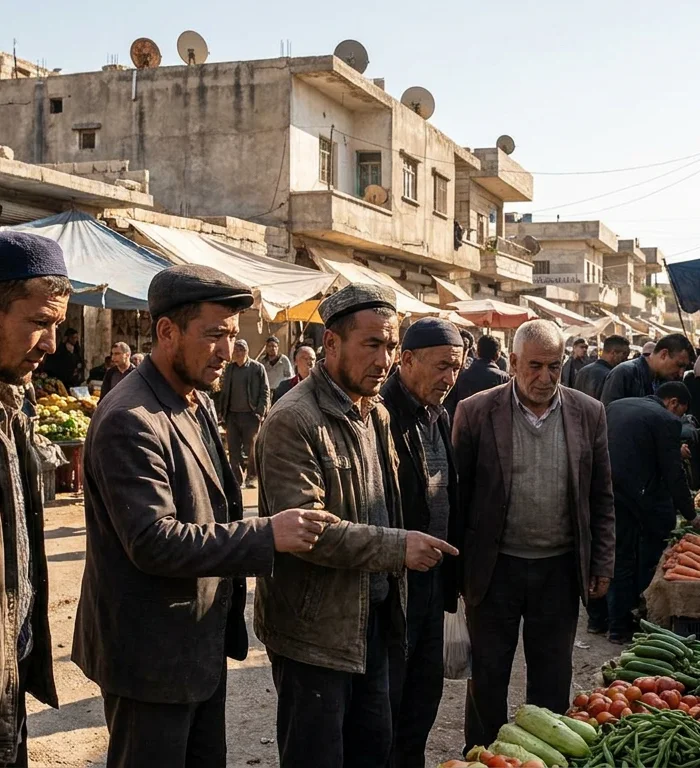
Emily Feng said Syria’s Uyghur population has reached 20,000 and faces suspicion after the civil war, in a The Diplomat interview published Oct. 14.
The figure is larger than the fighter contingent Feng described only as “thousands,” underscoring that the postwar issue now concerns families and communities as well as militants.
Feng, author of “Our Hearts Burned for Home: Uyghur Militants in Syria’s Civil War,” based the account on reporting that followed years of work on Xinjiang and China’s detention campaign, which began in early 2017.
Beijing had cited Uyghur “terrorists” in Syria and Afghanistan in rare official comments about detentions and arrests in Xinjiang, while offering no evidence, according to Feng’s account. “In no way is their existence in Syria justification for the detention and arrests, mostly without real due process, of so many Uyghur citizens of China,” she told The Diplomat.
Access to Syria became possible in late 2024 after the collapse of the Assad regime, Feng said. She reported that many Uyghurs first tried to settle in Turkey, where a sizeable diaspora already existed, but later crossed into northern Syria after Turkey limited residence documentation and helped deport some Uyghurs back to China.
For those who moved on to Syria, the war offered both military training and a way to pursue support for Uyghurs in Xinjiang, also called East Turkestan by Uyghurs, according to the interview. “An active war, one Uyghur commander later told me, was free practice,” Feng said.
Her reporting drew on “five dozen or so interviews” with Uyghur fighters and families. Interviewees described the July 5, 2009, violence in Urumqi, followed by repression and discrimination, as a turning point that pushed many toward Turkey and then Syria.
Feng’s account distinguishes the Turkestan Islamic Party, or TIP, from ETIM-linked fighters she encountered. TIP, described as the Syrian branch of a broader militant Uyghur movement, became the more organized force, building self-sustaining communities in Idlib and social services for a population of 20,000 men, women and children.
The political difficulty is that the same fighters Beijing cites as a security threat are also viewed uneasily inside Syria. Feng said TIP maintained links to al-Qaida-affiliated groups, including Hayat Tahrir Al-Sham, and those ties later became divisive as TIP and HTS tried to present themselves as more politically mainstream.
Foreign fighters, including Uyghurs, are regarded with fear and suspicion by many Syrian minority communities, according to the interview. Feng said some Syrians want foreigners who remained after the war to leave, while Uyghurs are often confused with Uzbek fighters.
The reported military role was also larger than outside observers expected. Feng said Uyghur fighters took part in major battles, helped Hayat Tahrir Al-Sham take Aleppo and later entered Damascus as the new government formed. Syria’s President Ahmed Al Sharaa privately credits the Uyghurs as a loyal and effective fighting force, according to Feng.
More stories
- Egypt offers Saudi defense help, seeks parliament's role
- Magyar puts Hungary's euro plans before first budget test
- Israeli settlers attack West Bank olive harvest, hurt two
- Zelenskyy says Starshield limits weaken Ukraine defenses
- Macua's Rutledge challenges mining boom after R1 trillion profit
- WHO backs Kenya Ebola response after second case
- Dov Lior permits settlers to pick Palestinian olives
- School unrest in France expands into social model debate
- Houthi offensive strains Saudi oil, debt and alliance plans
- Morocco election puts PAM first as coalition math shifts
Latest news
- Wall squats may lower blood pressure after four weeks
- 8-hour eating windows beat controls by 5 pounds in TRE trials
- Researchers link diabetic ulcers to stalled immune repair
- Loneliness and isolation linked to 5.8 fewer healthy years
- Weiss warns of breast cancer care gap after treatment
- CoreWeave gains ARK backing as borrowing concerns persist
- DeepSeek updates AI model as speed and cost rivalry grows
- CoreWeave bond yields hit 15% as AI funding doubts deepen