

Palestinian family sues Israel for $150,000 over home demolition
The Tubasi family filed a lawsuit against the Israeli government, alleging military negligence in protecting their West Bank home from destruction.
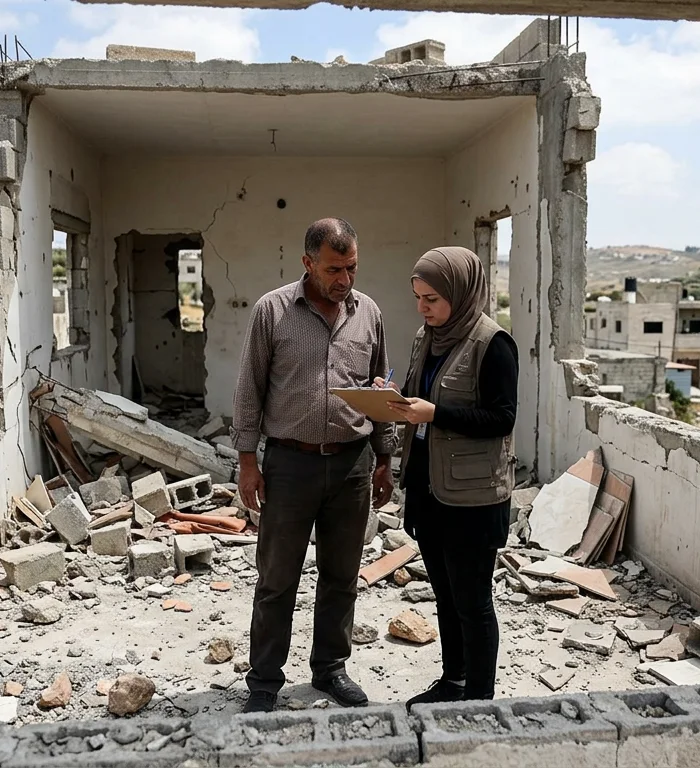
Legal action for state negligence
The Tubasi family filed a civil lawsuit yesterday seeking $150,000 in damages from the Israeli state following the partial demolition of their home in the village of Jalud. The family contends that Israeli military forces failed to intervene or uphold a previous court order intended to protect their property from destruction.
Legal counsel for the family argues that the military's inaction constitutes a breach of its duty of care as the occupying power in the West Bank. The claim requests both financial compensation for the structural losses and a formal mandate for the restoration of the property to its previous condition.
Property rights under military law
Under international law and existing administrative frameworks in the West Bank, the Israeli military maintains responsibility for the security of civilian populations and property within areas under its effective control. This case follows a period of heightened friction in the region, where Palestinian property owners have increasingly challenged the adequacy of military protection against unauthorized structural interference.
Legal scholars note that claims of this nature test the boundaries of Israeli sovereign accountability in the occupied territories. The outcome will likely hinge on the interpretation of the military’s enforcement obligations when court-protected properties are targeted by non-state actors or when administrative demolition orders are applied in contested zones.
Implications for regional litigation
The filing marks a shift in how Palestinian families attempt to hold the security establishment accountable for property loss. By moving the grievance from administrative petitions to civil court litigation, the family is attempting to establish a precedent for fiscal liability linked to military negligence.
If the court admits the case, it may signal a higher threshold for judicial scrutiny regarding military conduct in the West Bank. Conversely, a dismissal on jurisdictional grounds would reinforce long-standing arguments regarding the limitations of seeking redress through the Israeli court system for property damages sustained under military occupation.
Monitoring the path forward
Market and legal analysts will watch the Israeli Ministry of Defense’s initial response to the filing, expected by the end of 2024. A move to contest the court's authority over these security matters would confirm the state's rigid stance on legal immunity for operations in the West Bank, whereas a settlement offer could suggest an effort to avoid a public judicial ruling on the military's responsibility.
More stories
- Duterte faces ICC trial over 85 alleged murders, 2 attempts
- Bardella denies antisemitism claims over teenage messages
- Washington targets China in new tariff push on trade ties
- Eisenkot secures first coalition deal but lacks majority
- Germans oppose Ukraine aid as poll shows support slipping
- Kim Jong-un receives 10 envoys after constitutional shift
- Singapore studies geothermal power after 60-times resource estimate
- Singapore sets five-year power buildout for up to 13GW demand
Latest news
- Norse Atlantic suspends flights in urgent rescue funding bid
- Retailers rethink Black Friday as discount fatigue grows
- Japan data centers face lawsuits over residential sites
- S&P puts Nvidia credit rating on watch over board concerns
- Musk pledges two SpaceX shares per child in new US giveaway
- Morocco targets 2030 World Cup final with new stadium bid
- Barclays puts AI bust risk at center of US growth debate