

Higher Body Mass Index Linked to Increased Survival Rates in Dementia Patients
Research indicates that overweight and obese individuals diagnosed with dementia have a 16% to 27% lower mortality risk, suggesting that higher body mass may…
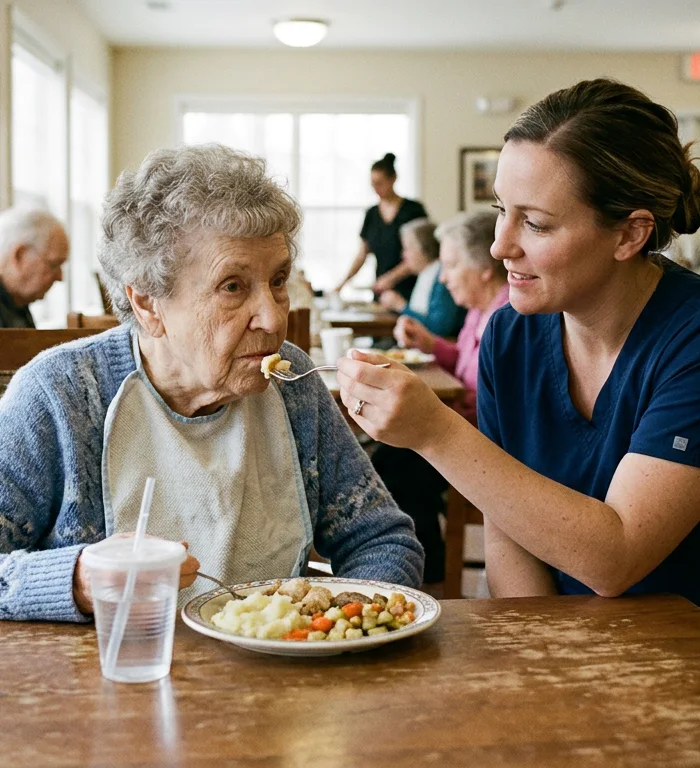
A longitudinal study of 4,523 older adults indicates that individuals diagnosed with dementia while overweight or obese exhibit a 16% to 27% lower risk of mortality compared to those within a normal weight range. The research, covering data from 1998 to 2022, suggests that body mass index (BMI) at the time of diagnosis serves as a significant prognostic indicator for survival outcomes.
Specifically, individuals classified as overweight (BMI 25–29.9) showed a 16% reduction in mortality risk. Those with class 1 obesity (BMI 30–34.9) demonstrated a 27% reduction, while those with class 2 and 3 obesity (BMI 35+) showed a 22% reduction. These findings persist even after adjusting for variables such as smoking status, pre-existing medical conditions, and demographic factors.
Researchers hypothesize that increased energy and muscle reserves may provide a physiological buffer against the physical decline associated with dementia. This phenomenon, often referred to as the "dementia paradox," suggests that while obesity is a known risk factor for the onset of cognitive decline, it may offer a survival advantage once the disease has manifested.
Despite these findings, investigators emphasize that the data should not be interpreted as a clinical recommendation for weight gain among dementia patients. The study was not designed to test the efficacy of weight gain as a therapeutic intervention. Instead, the results underscore the critical role of nutritional status in the management and prognosis of dementia patients.
Methodological concerns regarding pre-diagnosis weight loss were addressed to ensure the validity of the results. Previous studies have noted that weight loss can occur up to a decade before a clinical dementia diagnosis, potentially skewing data by making normal-weight individuals appear more frail than they are. The current analysis suggests that the observed survival advantage is not merely an artifact of this bias, reinforcing the importance of monitoring nutritional health throughout the progression of the disease.
More stories
- Dietitians advise small swaps for plant-based eating
- TikTok dementia videos mislead in 66.4% of sample, researchers say
- Aberdeen Royal Infirmary faces police inquiry call over 19 deaths
- Bariatric surgery group loses 28.2% after GLP-1 use
- TOFA boosts mouse energy use 18% while preserving muscle
- ICO probes NHS therapy notes accessible to up to 140,000 staff
- PFOS levels track 93% higher aggressive breast cancer rate
- Fructose may weaken ovarian cancer cell bonds after chemotherapy
- Cochrane seeks Nov. 30 bids for adult pneumococcal vaccine review
- Athlete eye-balance screens may move beyond concussion rehab
Latest news
- David Parr House to honor Victorian art-workman with blue plaque
- Iran's attacks hit 25 tankers near Strait of Hormuz
- FCC approves prison cellphone jamming despite 2.5-mile warning
- Russia strikes Ukraine as Odesa faces electricity strain
- Bahrain reports two injuries after Iranian aerial attacks
- Congress tests Black Democrats' growing policy influence
- Baltic responders fight Sparta II fire after drone strike
- Europe faces attribution gap after 16 cyber, physical incidents