

Fructose may weaken ovarian cancer cell bonds after chemotherapy
Wistar researchers report a preclinical mechanism involving fructose, tumor-cell adhesion and cholesterol pathways, but the findings have not been tested in…
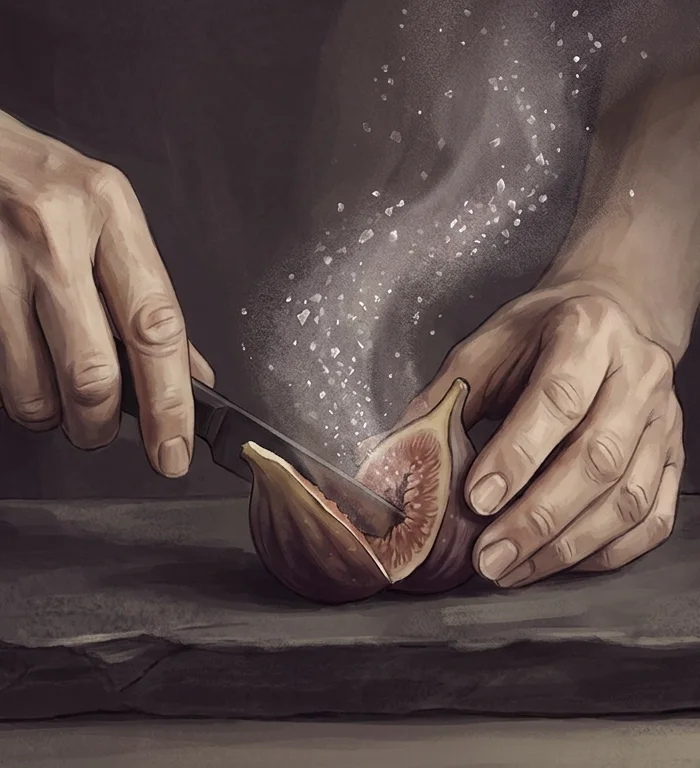
Fructose was linked to weaker tumor-cell bonds and greater spread-related behavior in chemotherapy-surviving ovarian cancer cells in preclinical work published Nov. 11 in Nature Aging, The Wistar Institute said.
The finding matters because metastasis is responsible for about 90% of ovarian cancer deaths, but this was early preclinical research and did not test patient outcomes, diet changes or medication decisions.
The Wistar team studied ovarian cancer cells that persisted after platinum-based chemotherapy, a treatment that uses platinum-containing drugs to damage cancer-cell DNA and stop reproduction. Ovarian cancer often responds at first, but the disease returns in most cases and can spread through the abdominal cavity.
“Some cancer cells that survive chemotherapy aren't dividing anymore, but they're still biologically active,” said Aidan Cole, a postdoctoral fellow in Katherine Aird’s laboratory at The Wistar Institute and first author of the study. “Instead, they continue to release molecules that send signals to nearby cells. Our study is among the first to show that a nutrient -- in this case, fructose -- can act as one of those signals.”
Researchers separated the post-chemotherapy cells from the substances they released and reported that the released molecules alone increased cancer spread in a preclinical model. They then identified fructose, a sugar found in fruit, honey, table sugar and high fructose corn syrup, as one of the signaling molecules.
In the experiments, fructose appeared to suppress cholesterol production in neighboring cancer cells. Cholesterol is best known for its role in cardiovascular disease, but it also helps form cell membranes and supports the contacts that keep cells attached to one another. When those contacts weakened, cancer cells separated more easily.
The team used several methods, including a CRISPR screen, a gene-editing approach used to test which genes affect a biological process. The study also reported that high-fructose diets comparable to amounts found in sugary drinks were linked to spread-related signals in preclinical experiments, even without chemotherapy.
The cholesterol finding led the researchers to test statins, the cholesterol-lowering medicines used to reduce heart-attack and stroke risk. In the preclinical experiments, statins weakened connections between cancer cells in a way associated with easier cell separation.
“We haven't tested this effect in patients yet, but it raises questions about combining cholesterol-lowering drugs with chemotherapy, especially since ovarian cancer is most common in postmenopausal women who are often already on statins,” said Katherine Aird, professor and co-leader of the Molecular and Cellular Oncogenesis Program in the Ellen and Ronald Caplan Cancer Center at The Wistar Institute and senior author of the study.
The study cannot show that eating sugar was associated with ovarian cancer spread in people, that reducing fructose improves cancer outcomes, or that patients taking statins face worse cancer results. The statin result is preliminary and is not a reason for anyone to stop a prescribed medicine.
Aird said the same mechanism may be relevant to other cancers that spread within the torso, including pancreatic, colon and liver cancers, but said the researchers cannot yet call the effect universal. The Wistar team has begun additional experiments in those cancers.
Source: journal article, Nature Aging, Nov. 11, 2026; press release, The Wistar Institute via ScienceDaily Health, Nov. 12, 2026.
Atlas360 reports health research and does not provide medical advice.
More stories
- NIH-funded researchers map basal ganglia at single-cell resolution
- PFOS levels track 93% higher aggressive breast cancer rate
- High-intensity sports raise bone markers by up to 46%
- Plant-based dairy swaps may lower iodine intake
- Adults 50 to 64 reach 7.5% heavy-drinking rate
- Dinch exposure correlates with 27-gram lower birth weight
Latest news
- FAA halts US departures after communications disruption
- Europe faces unity test as Trump revives Ukraine diplomacy
- Democrats push AI regulation as two state veterans arrive
- Lutnick faces AI chip scrutiny as Bessent faults Commerce
- AI investment boom binds global suppliers to US spending
- Senate Democrats face leadership fight after midterm gains
- Trump extends Jones Act waiver for another 90 days: official
- Russia reports 1% growth as refinery output declines 18%