NYC pay raises advance as Mamdani refuses salary increase
NYC pay raises approved by the City Council lift elected-official salaries by 18%, though Mayor Zohran Mamdani says he will decline the increase.
Lauren Collins ·
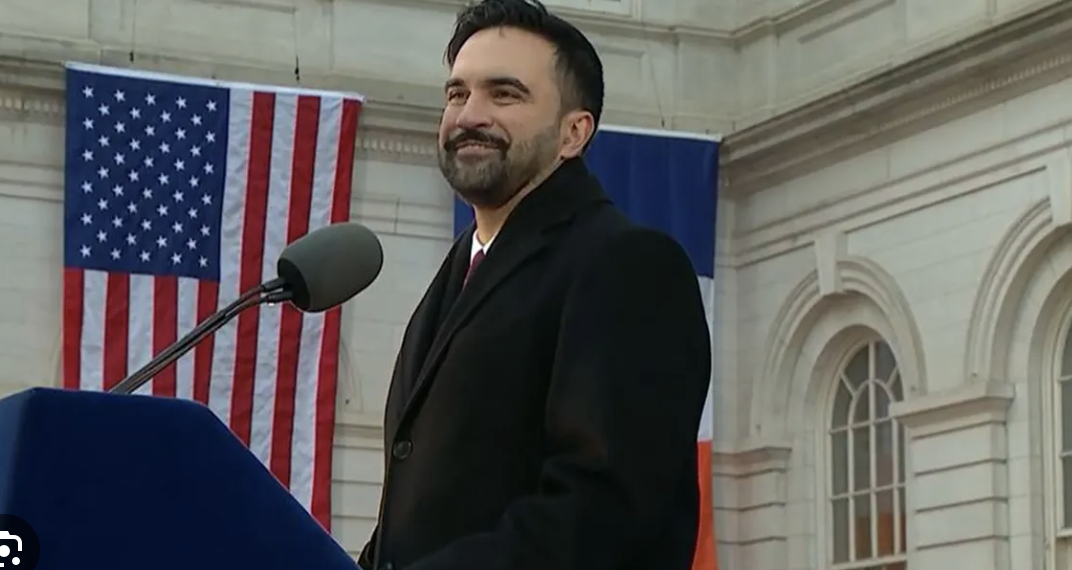
NYC pay raises for elected officials will take effect after a Council vote, while Mayor Zohran Mamdani says he will decline his increase.
The City Council approved the compensation bill by 42-6, according to the measure’s tally, giving elected officials their first salary increase since 2016. The legislation raises pay by 18% for Council members, borough presidents, district attorneys, the comptroller, the public advocate and the mayor.
Mamdani told reporters Thursday that he would not take the higher mayoral salary, repeating a pledge he had made earlier. “I will not accept a pay raise,” he said, adding, “I haven’t knocked on anyone’s door in New York City and they’ve said their concern is that the mayor makes too little.”
Council salaries reach $175,500
The bill raises the annual salary for each of the 51 City Council members to $175,500 from $148,500. The mayor’s salary rises to $305,800 under the same legislation, even though Mamdani said he will not accept the increase.
Other citywide and borough offices also receive higher pay under the bill. District attorneys move to $251,500 from $212,800, the comptroller to $247,100 from $209,050, and the public advocate to $218,400 from $184,800.
Borough presidents would be paid $211,800, up from $179,200. The new rates take effect in 45 days and apply retroactively to the start of the calendar year, according to the bill.
Inflation frames the decade gap
The case for the increase rests partly on the long gap since the last adjustment. A quadrennial commission empaneled earlier this year by Mamdani reported that the city’s price level rose yüzde 31 over the past decade.
The commission . The Council’s own analysis said the raises will cost the city $2.6 million this year and $17 million next year.
City Council Speaker Julie Menin, who was recently elected to that role, has also said she will not accept a salary increase during her current term. Menin abstained from the vote, according to the Council action on the bill.
Labor talks sharpen the optics
The timing gives the pay vote a wider political charge. Mamdani is approaching negotiations over dozens of labor contracts with New York’s roughly 300,000 municipal employees, while the city faces multibillion-dollar deficits over the next four years.
That pairing creates a clear risk for City Hall: public-sector unions may point to elected-official raises when arguing for their own compensation demands. The direct fiscal cost of the raises is limited by the small number of elected posts, but the wage-setting message may matter more than the line item.
If the debate stays confined to elected officials, the macro effect is likely to remain a local budget issue rather than a broader inflation signal. In that scenario, City Hall absorbs a modest administrative cost, Mamdani preserves his personal pledge, and the public-sector labor market treats the vote as a narrow governance matter.
If unions instead use the vote as leverage, the mechanism changes. Higher settlement pressure could widen future budget gaps, test Mamdani’s negotiating position and influence pay benchmarks across agencies that compete for public-sector workers.
A third path turns on political optics. If Menin’s and Mamdani’s refusals blunt public criticism, the legislation may settle as a delayed inflation adjustment; if fiscal forecasts worsen, the same vote could become a reference point in every dispute over municipal pay, service cuts and tax choices.