

Northern Ireland Healthcare Services Face Disruption Due to Resident Doctor Strikes
Resident and specialist doctors in Northern Ireland are launching 24-hour strikes over pay, threatening significant disruption to elective healthcare…
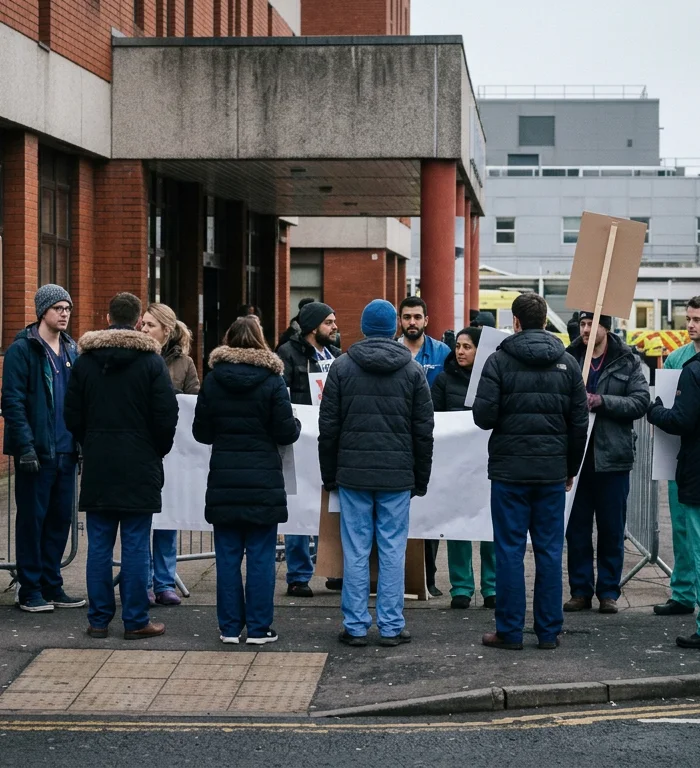
Resident doctors in Northern Ireland are scheduled to initiate a 24-hour strike on Friday, followed by additional industrial action from consultants and specialist doctors on Monday. This escalation follows the rejection of a recommended 3.5% pay increase by the British Medical Association (BMA). The union maintains that current compensation levels are insufficient to address long-term pay erosion and are contributing to high rates of burnout and staff retention challenges.
The Health Minister has stated that while he intends to implement the 3.5% pay award, the Department of Health currently lacks the necessary budget to finalize the payments. Officials have warned that exceeding this recommended increase would create unsustainable financial pressure across the broader public sector, including nursing, education, and policing. The government emphasizes that cumulative pay uplifts for medical staff over the last three years have already reached between 24% and 30%.
While emergency services will remain operational under "Christmas
The upcoming industrial action is expected to cause significant disruption to the health and social care system. While emergency services will remain operational under "Christmas Day" cover protocols, the cancellation of routine and elective appointments is anticipated. Previous strikes in June resulted in the cancellation of over 2,200 appointments, and officials have expressed concern regarding the impact of further delays on already strained waiting lists during the winter period.
Institutional risk remains elevated as the dispute highlights a fundamental impasse between the BMA’s demand for pay restoration and the government’s budgetary constraints. The lack of a finalized Stormont budget continues to limit the Department of Health’s flexibility in negotiations. Stakeholders should monitor the potential for further service degradation and the possibility of prolonged industrial action if a resolution regarding funding and pay structures is not reached in the near term.
More stories
- Germans oppose Ukraine aid as poll shows support slipping
- Kim Jong-un receives 10 envoys after constitutional shift
- Ukraine claims Libya strike sinks Russian naval corvette
- COP31 climate talks collapse over fossil fuels and funds
- Russian military faces 1,087 recorded suicides in Ukraine war
- US faces China, Russia in Africa minerals contest
- Indonesia seeks Google explanation for 19,372 YouTube removals
- San Antonio faces scrutiny over 50,000-hog farm approvals
- AfCRA faces investor trust test with Africa debt service at $163bn
- Qatar-led mediators press 7-day plan for Iran-US deal
Latest news
- Trump prepares tariffs on China and other major exporters
- New-car buyers pay record average $50,087 in October
- Banks face ECB reserve debate over liquidity and profits
- Investors see Anthropic debut gains fade below $83 a share
- Iraq orders federal control over Kurdish-area oilfields
- Nvidia shares retreat as AI rally cools before PCE data
- Macy’s parade faces balloon limits as storm winds approach