

Argentina Seeks Accelerated Trade Agreement with United States by Year-End
Argentina is attempting to fast-track a trade deal with the United States, though negotiations are currently stalled by supply chain scrutiny and concerns…
The Argentine administration is pursuing an expedited timeline to finalize a trade agreement with the United States before the conclusion of the current calendar year. Officials intend to submit the proposed framework to the Argentine Congress for ratification in the coming months. This push for rapid integration reflects a broader strategy to formalize economic ties and stabilize bilateral trade relations.
Despite the administration's urgency, negotiations face significant regulatory hurdles regarding product traceability standards. United States authorities are conducting rigorous assessments of supply chain transparency to ensure compliance with domestic requirements. These scrutiny measures are intended to mitigate risks associated with international trade protocols and regulatory alignment.
Concerns regarding Chinese involvement in regional supply chains remain a primary point of friction in the negotiations. Washington is reportedly evaluating the extent of third-party influence on Argentine exports, which could impact the final terms of any bilateral deal. The administration must navigate these geopolitical sensitivities to secure favorable market access.
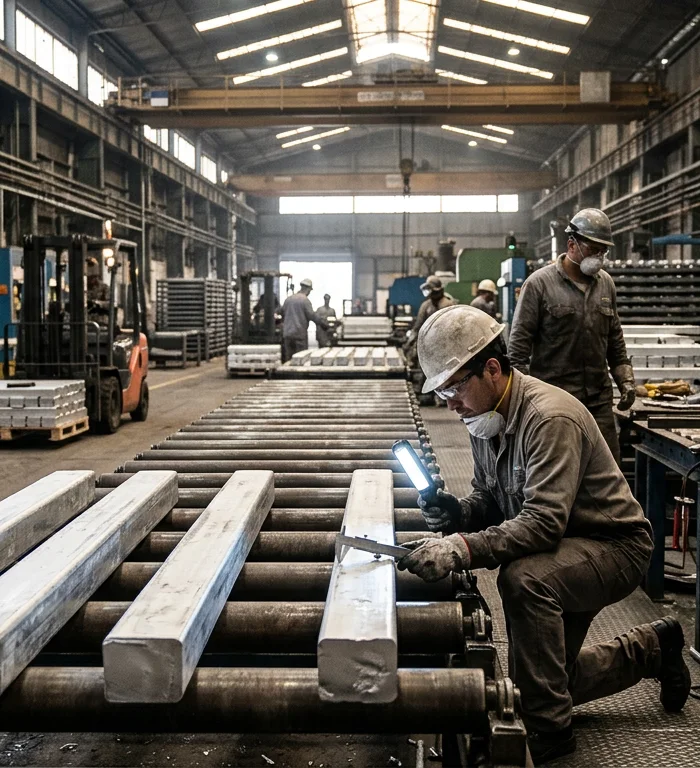
Domestic industry leaders have identified existing steel and Domestic industry leaders have identified existing steel and aluminum tariffs as a critical barrier to economic growth. The removal or modification of these duties is a central objective for Argentine stakeholders seeking to improve export competitiveness. Failure to address these tariff structures may limit the overall efficacy of the proposed trade agreement for local manufacturers.
Future developments will depend on the administration's ability to satisfy United States oversight requirements while managing domestic political expectations. Observers should monitor upcoming legislative sessions in Argentina and any shifts in United States trade policy regarding regional supply chain dependencies. The outcome of these discussions will likely dictate the trajectory of bilateral economic cooperation for the next fiscal cycle.
More stories
- Germans oppose Ukraine aid as poll shows support slipping
- Kim Jong-un receives 10 envoys after constitutional shift
- Ukraine claims Libya strike sinks Russian naval corvette
- COP31 climate talks collapse over fossil fuels and funds
- Russian military faces 1,087 recorded suicides in Ukraine war
- US faces China, Russia in Africa minerals contest
- Trump, Putin and Xi to hold historic trilateral in Shenzhen
- UK and EU seek 3 deals in Burnham reset
- Lula wins fourth term in Brazil election upset result
- SpaceX’s AI buildout adds $40 billion in GPU debt
Latest news
- Trump prepares tariffs on China and other major exporters
- New-car buyers pay record average $50,087 in October
- Banks face ECB reserve debate over liquidity and profits
- Investors see Anthropic debut gains fade below $83 a share
- Iraq orders federal control over Kurdish-area oilfields
- Nvidia shares retreat as AI rally cools before PCE data
- Macy’s parade faces balloon limits as storm winds approach