

Australian Government Proposes AI Licensing Framework with Music Industry Exemptions
Australia is developing an AI licensing regime for model training that includes a specific exemption for the music industry to facilitate foreign investment…
The Australian government is developing a mandatory licensing regime requiring artificial intelligence developers to secure permits before training large-scale models on domestic content. This policy shift is intended to establish a regulatory framework that encourages major international AI firms to establish frontier training hubs within Australia. The initiative aims to balance the protection of intellectual property rights with the strategic objective of attracting foreign investment in high-tech infrastructure.
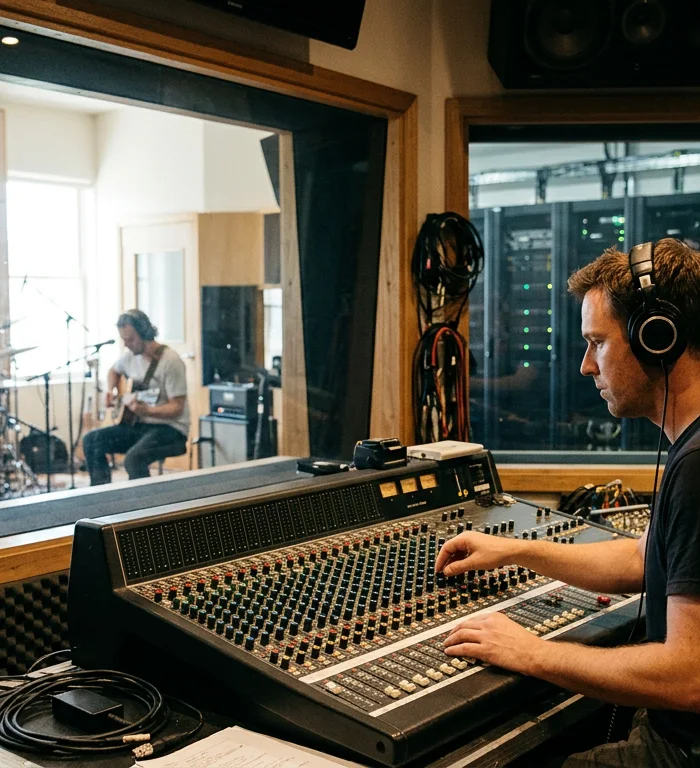
Under the proposed framework, music content is expected to be excluded from the mandatory licensing requirements. This carve-out serves as a tactical concession to mitigate industry opposition and address concerns regarding the unauthorized use of creative works in machine learning processes. By isolating the music sector from the broader licensing mandate, the government seeks to expedite the adoption of the overall regulatory package while reducing potential legal friction with rights holders.
For institutional stakeholders, this development signals a shift toward sector-specific AI governance. The government’s prioritization of infrastructure development suggests that future regulatory adjustments will likely favor industries capable of demonstrating significant economic or technological integration with AI developers. The exclusion of music may set a precedent for other creative sectors to lobby for similar exemptions, potentially complicating the uniformity of the proposed copyright reforms.
Policymakers and financial analysts should monitor the final legislative language regarding the scope of these permits. The success of the government’s strategy depends on whether the licensing costs and compliance burdens remain attractive enough to incentivize OpenAI, Anthropic, and other frontier model developers to commit to local operations. Any further expansion of exemptions could weaken the overall efficacy of the copyright framework, while a rigid application of the rules risks deterring the very investment the government intends to secure.
More stories
- Germans oppose Ukraine aid as poll shows support slipping
- Kim Jong-un receives 10 envoys after constitutional shift
- Ukraine claims Libya strike sinks Russian naval corvette
- COP31 climate talks collapse over fossil fuels and funds
- Russian military faces 1,087 recorded suicides in Ukraine war
- US faces China, Russia in Africa minerals contest
- Russian strikes leave many Kyiv homes with 4 hours of power
- Cebu groups seek probe into protest dispersal with more than 20 hurt
- Japan faces ASEAN doctrine test after Fukuda dies at 90
- Palm oil buyers face EU deforestation risk from Dec. 30
Latest news
- Trump prepares tariffs on China and other major exporters
- New-car buyers pay record average $50,087 in October
- Banks face ECB reserve debate over liquidity and profits
- Investors see Anthropic debut gains fade below $83 a share
- Iraq orders federal control over Kurdish-area oilfields
- Nvidia shares retreat as AI rally cools before PCE data
- Macy’s parade faces balloon limits as storm winds approach