

Louisiana Restrains Prediction Market Operations, Threatening $370m in Revenue
Louisiana has issued a restraining order against prediction market intermediaries, threatening $370 million in revenue and creating a jurisdictional conflict…
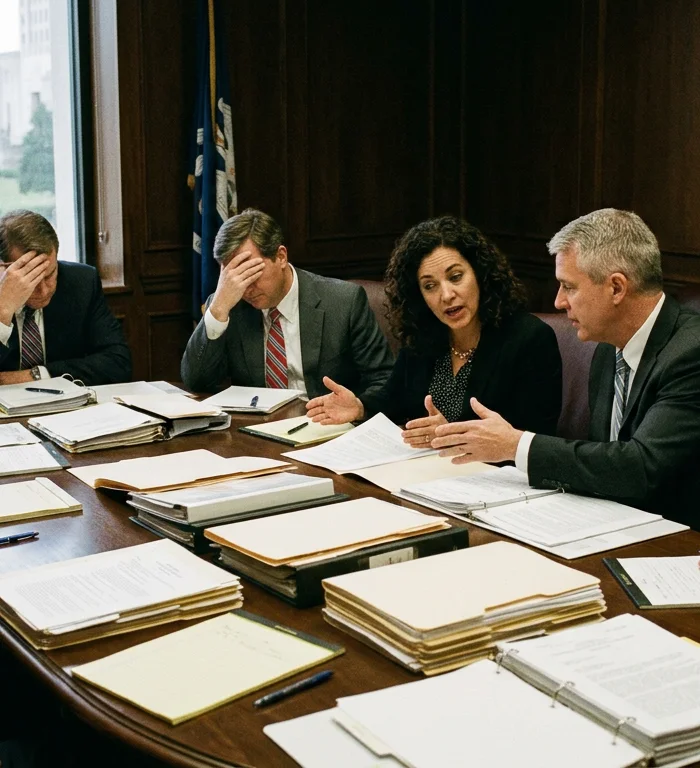
Louisiana regulators secured an ex parte temporary restraining order on November 12, targeting the operational infrastructure of prediction markets within the state. The order prohibits the offering, clearing, settling, and brokering of specified event contracts—including those related to sports, elections, and awards—for individuals located in Louisiana without requisite state licensure.
The enforcement action extends beyond primary exchanges to include intermediaries, futures commission merchants, and derivatives clearing organizations. By targeting the entire vertical chain of the trading process, the state has effectively created a shared legal risk for major platforms that facilitate these contracts. The order specifically names entities associated with Robinhood and Coinbase, as well as several specialized prediction market venues.
Financial exposure for these firms is significant Financial exposure for these firms is significant, with industry estimates suggesting approximately $370 million in potential revenue at risk. Because the order targets the brokerage and clearing layers, shifting trading activity to alternative venues does not necessarily exempt the intermediary from the state’s enforcement scope.
If the restricted broker remains involved in the transaction, the activity remains subject to the state's prohibition regardless of the exchange used.
The Commodity Futures Trading
Commission (CFTC) has intervened in the matter, challenging the state’s enforcement authority. This conflict between state-level regulatory action and federal oversight creates a complex legal environment for platforms attempting to maintain compliance while operating across multiple jurisdictions. The current legal status of existing positions, settlements, and customer withdrawals remains unconfirmed as the litigation proceeds.
Institutional stakeholders should monitor the jurisdictional boundaries between state and federal regulators, as this case may set a precedent for the regulation of event-contract intermediaries. The outcome will likely dictate whether platforms can continue to offer these products on a national scale or if they must implement geofencing to exclude Louisiana residents entirely. Future developments will depend on the court’s interpretation of the state’s authority to regulate clearing and brokerage services that operate across state lines.
More stories
- FCC approves prison cellphone jamming despite 2.5-mile warning
- Congress tests Black Democrats' growing policy influence
- Cotton faults Lutnick over AI chips allegedly sent to China
- Vance declines to back Iran strikes as Trump defends war
- Paul seeks 20%-30% federal credit for U.S. film shoots
- Trump targets data centers abroad with tax threat to firms
- Sanders proposes $2,400 Social Security increase
- Trump administration plans vaccine-injury payments for doctors
Latest news
- Trump prepares tariffs on China and other major exporters
- New-car buyers pay record average $50,087 in October
- Banks face ECB reserve debate over liquidity and profits
- Investors see Anthropic debut gains fade below $83 a share
- Iraq orders federal control over Kurdish-area oilfields
- Germans oppose Ukraine aid as poll shows support slipping
- Kim Jong-un receives 10 envoys after constitutional shift
- Ukraine claims Libya strike sinks Russian naval corvette