

London Biotech Secures $60 Million for Alzheimer’s Protein Degradation Research
A London biotech firm raised $60 million to develop oral therapies targeting tau proteins to treat Alzheimer’s disease.
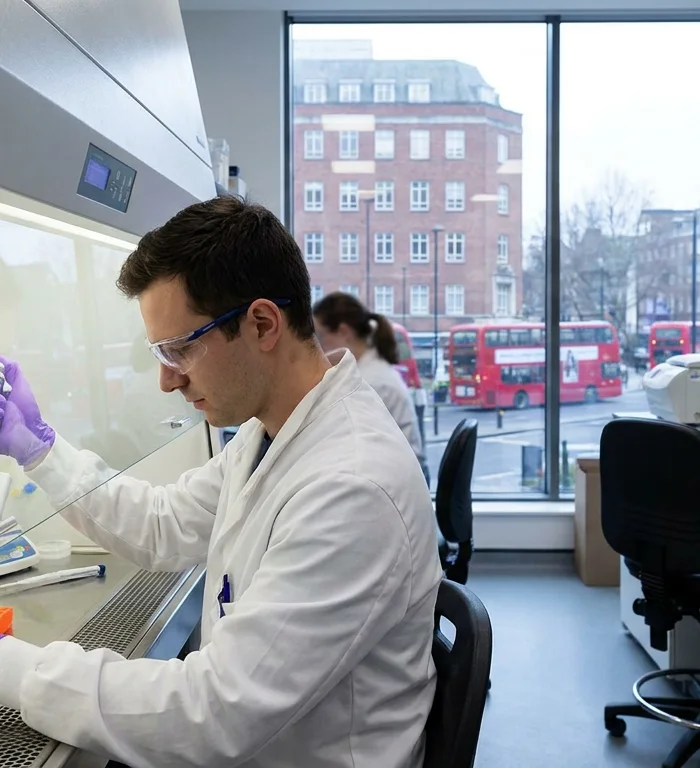
A London-based biotechnology firm has secured $60 million in Series A-2 financing to advance the development of targeted protein degradation therapies. The capital is earmarked for the creation of oral medications designed to eliminate pathogenic forms of tau, a protein associated with the progression of Alzheimer’s disease.
Targeted protein degradation represents a shift in therapeutic strategy by focusing on the removal of disease-causing proteins rather than traditional inhibition methods. By developing pills that specifically degrade tau, the company aims to address the underlying pathology of neurodegenerative conditions that have historically proven resistant to conventional drug interventions.
The successful funding round highlights continued investor interest in protein degradation platforms, a sector currently undergoing significant clinical validation. The ability to target tau specifically is considered a high-value objective in pharmaceutical research, given the protein's central role in the cognitive decline observed in Alzheimer’s patients.
Institutional stakeholders should monitor the company’s progress through preclinical and early-stage clinical trials, as the efficacy of these degraders will determine the viability of this therapeutic approach. Future milestones will likely involve regulatory filings and the establishment of partnerships with larger pharmaceutical entities to facilitate large-scale clinical testing and eventual market entry.
More stories
- Dietitians advise small swaps for plant-based eating
- TikTok dementia videos mislead in 66.4% of sample, researchers say
- Aberdeen Royal Infirmary faces police inquiry call over 19 deaths
- Bariatric surgery group loses 28.2% after GLP-1 use
- TOFA boosts mouse energy use 18% while preserving muscle
- ICO probes NHS therapy notes accessible to up to 140,000 staff
- Plant-based dairy swaps may lower iodine intake
- Adults 50 to 64 reach 7.5% heavy-drinking rate
- Ebola outbreak exposes gaps in global health defenses again
- Cyclospora outbreak inquiry puts FDA testing under review
Latest news
- David Parr House to honor Victorian art-workman with blue plaque
- Iran's attacks hit 25 tankers near Strait of Hormuz
- FCC approves prison cellphone jamming despite 2.5-mile warning
- Russia strikes Ukraine as Odesa faces electricity strain
- Bahrain reports two injuries after Iranian aerial attacks
- Congress tests Black Democrats' growing policy influence
- Baltic responders fight Sparta II fire after drone strike
- Europe faces attribution gap after 16 cyber, physical incidents