Ebola outbreak exposes gaps in global health defenses again
An Ebola outbreak caused by the Bundibugyo strain has killed 702 people in Congo and raised pressure on regional containment efforts.
Ayla Demirhan ·
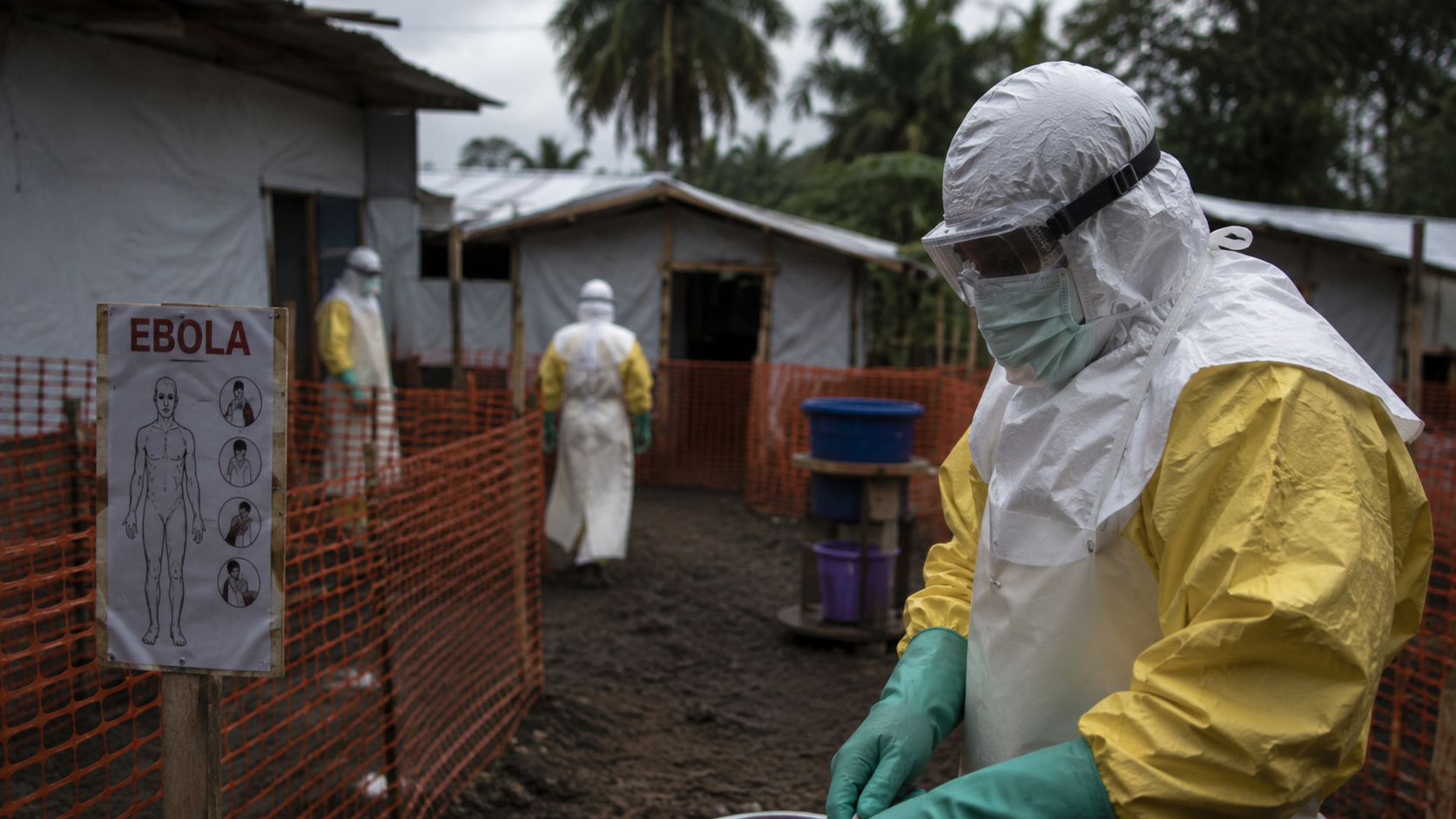
Ebola outbreak response teams are racing to contain the rare Bundibugyo strain after Congo reported 1,926 confirmed cases and 702 deaths.
The Democratic Republic of Congo has recorded most of the known infections in its eastern provinces, while Uganda reported 20 cases and 2 deaths as of July 12, according to national health ministries cited in the source material. France confirmed one infection in June in a traveler who had returned from the affected region after volunteering in the response operation.
The World Health Organization has assessed the danger as very high inside Congo, high across the region and low globally. That split matters because Ebola has never spread internationally enough to become a pandemic, but border movement, conflict and delayed detection can still turn a national emergency into a wider regional crisis.
Bundibugyo strain escaped early detection
The current outbreak likely began with animal-to-human transmission in February, according to a U.S. CDC analysis cited in the source material, but the DRC and Uganda did not declare outbreaks until mid-May. The WHO said it was alerted on May 5 to suspected cases in Congo, yet early tests were negative because they were not designed to detect Bundibugyo.
Stephanie Psaki, a former U.S. coordinator for global health security at the National Security Council, warned that the scale remains unclear. “We do not yet have a full picture of how widespread the outbreak is,” she said, adding that it is “probably on track to be [the] first or second largest before it’s contained.”
Ebola spreads through contact with bodily fluids from symptomatic patients or infected animals, not through transmission before symptoms appear. Symptoms can emerge 2 to 21 days after exposure, and the WHO puts the average fatality rate near 50%, with past outbreaks ranging from 25% to 90% depending on strain and access to care.
Bundibugyo creates a harder medical problem because it differs from the more common Zaire species. The source material says existing vaccines targeting Zaire are not effective against the strain now circulating, increasing reliance on detection, isolation, treatment capacity and contact tracing.
Congo conflict complicates tracing
The outbreak is unfolding in areas already strained by armed conflict, displacement and weak public services. Nearly 7 million people are internally displaced in Congo, including 5 million in North Kivu, South Kivu and Ituri, the provinces most affected by the Ebola spread.
Public health teams also face mistrust in communities where rumors have portrayed the disease as a hoax or as a scheme by foreign aid workers. Michelle Gavin, an expert quoted in the source material, said, “Public trust in authorities is exceedingly low, and foreigners are often presumed to have exploitative agendas.”
Contact tracing is one of the main tools for stopping Ebola, but the gap between targets and reality is wide. Health officials aim to trace at least 95% of contacts, while the WHO reported about 60% as of June 9, according to the source material.
That shortfall raises the risk of hidden transmission chains inside Congo and across borders with Uganda and nearby states. Border screening can slow spread only if suspected cases are detected quickly, isolated safely and linked to teams that can map who else may have been exposed.
Response plan meets funding strain
The WHO allocated $3.9 million from its Contingency Fund for Emergencies in May, and the WHO and Africa CDC later launched a $518 million, six-month plan for Congo and Uganda. The plan is meant to support surveillance, treatment, laboratory work, community engagement and cross-border coordination.
Funding is now part of the emergency. The source material links concern over the response to declining humanitarian aid, the reported dismantling of USAID and a smaller international role for the U.S. CDC, which previously played a leading role in Ebola operations.
Several governments have added travel or entry measures despite the low global risk assessment. Canada and the Bahamas temporarily restricted entry for residents from affected countries, France set up monitoring for returning aid workers, and the United States added screening for returning citizens while pausing visa services at embassies in the DRC, South Sudan and Uganda.
The path from here depends on three linked tests. If tracing and border detection improve, the global macro effect should stay limited, Congo can narrow transmission zones, and the public health sector can shift from emergency containment to targeted surveillance.
If funding delays persist and contacts remain missed, regional spillover risk rises through labor movement, displacement and informal border crossings. In that case, Congo faces a longer emergency, neighboring health systems absorb more pressure, and global health agencies will need larger deployments at higher cost.
A third path turns on community trust. If local leaders, clinics and response teams can reduce misinformation, isolation and safe care become easier; if mistrust deepens, reported case counts may lag reality, treatment centers may be avoided, and the outbreak could become harder to measure than to name.