Cyclospora outbreak inquiry puts FDA testing under review
FDA says Mexican-grown Taylor Farms lettuce remains the focus of a cyclospora outbreak review after a lab check found one test was false positive.
Omar Farouk ·
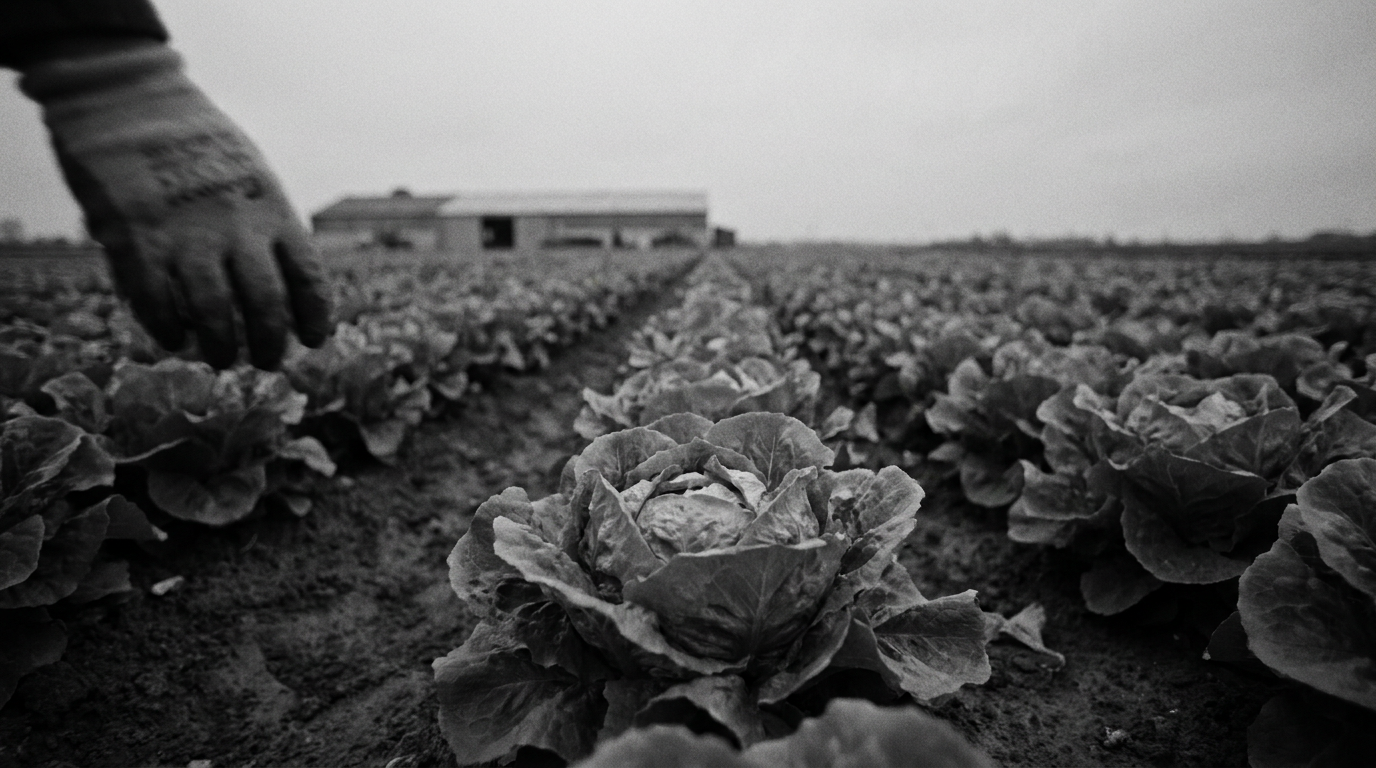
FDA cyclospora outbreak officials said Taylor Farms lettuce from Mexico remains the leading focus after a lab check voided a test.
The agency is trying to steady its message after a weekend disclosure created uncertainty over the food source under review. The Food and Drug Administration said imported lettuce grown by Taylor Farms in Mexico remains the strongest lead in the multistate illness investigation, even though one laboratory result tied to a product outside the recall was later rejected.
Border testing drives the case
Acting Deputy Commissioner for Food Donald Prater said the FDA has “increased surveillance sampling at the southern border,” where the original positive result was identified. A later quality review by the laboratory found that result was a false positive, according to the agency’s account.
The distinction matters because the disputed test involved a product that was not part of Taylor Farms’ voluntary recall. The FDA said its wider assessment has not shifted away from lettuce grown by the company in Mexico, even after that specific test result was withdrawn.
The agency also defended its decision to notify Taylor Farms and make the early result public. It said officials viewed the finding at the time as “actionable public health information,” a phrase that signals the FDA believed the information could affect consumer or industry decisions before the lab review was complete.
Taylor Farms disputes the message
Taylor Farms said the FDA “apologized” for the testing error. An FDA official challenged that characterization, saying the agency “explained the official facts” but “did not offer an official apology.”
That disagreement leaves two issues running at once: the public health inquiry and the credibility of the agency’s communications. For a food company, even a narrowed or corrected warning can carry reputational costs if buyers, retailers or consumers associate a brand with an outbreak before all testing is settled.
The available record does not include a case count, a list of affected states, dates of illness onset or details of the recalled lettuce products. Those gaps limit how far the episode can be sized from the information now public, especially for estimating consumer risk or commercial exposure.
Recall stakes reach beyond lettuce
Cyclospora investigations can be difficult because fresh produce moves quickly through farms, packing facilities, distributors and retailers. When the suspected product crosses a border, the inquiry also depends on import checks, farm-level traceability and laboratory confirmation that can either support or weaken early leads.
For Taylor Farms, the immediate question is whether FDA sampling and traceback work continue to point to Mexican-grown lettuce tied to the company. If that link holds, the voluntary recall could remain the central control measure while regulators and the company work to isolate the affected supply chain.
If further testing weakens the lettuce link, the company could press for a narrower public message and faster restoration of buyer confidence. The FDA, in turn, would face scrutiny over how it balances speed against certainty when early food safety data may later change.
The sector impact reaches beyond one grower because import surveillance can alter shipment timing and buyer behavior across fresh produce. If border sampling expands or slows clearance, distributors may adjust sourcing, retailers may demand more documentation, and growers could face added pressure to verify field and packing controls.
The macro effect cannot be quantified from the available facts because no shipment volume, recall value or illness count was provided. The clearest global link is operational rather than numerical: cross-border food supply chains depend on fast regulatory signals, and errors in those signals can ripple through trade, inventory planning and consumer trust.
Three paths now matter. If FDA evidence continues to center on Taylor Farms lettuce from Mexico, the company faces a longer recall narrative and the produce sector may see tighter import checks; if new lab work clears that path, Taylor Farms gains room to repair confidence while the FDA reviews its disclosure process; if evidence remains mixed, regulators may keep surveillance elevated, leaving retailers and suppliers managing uncertainty without a clean endpoint.