Taco Bell lettuce linked to parasite outbreak in US cases
Taco Bell lettuce has been linked to a cyclosporiasis outbreak, prompting the chain to remove potentially affected supply in select states.
Ayla Demirhan ·
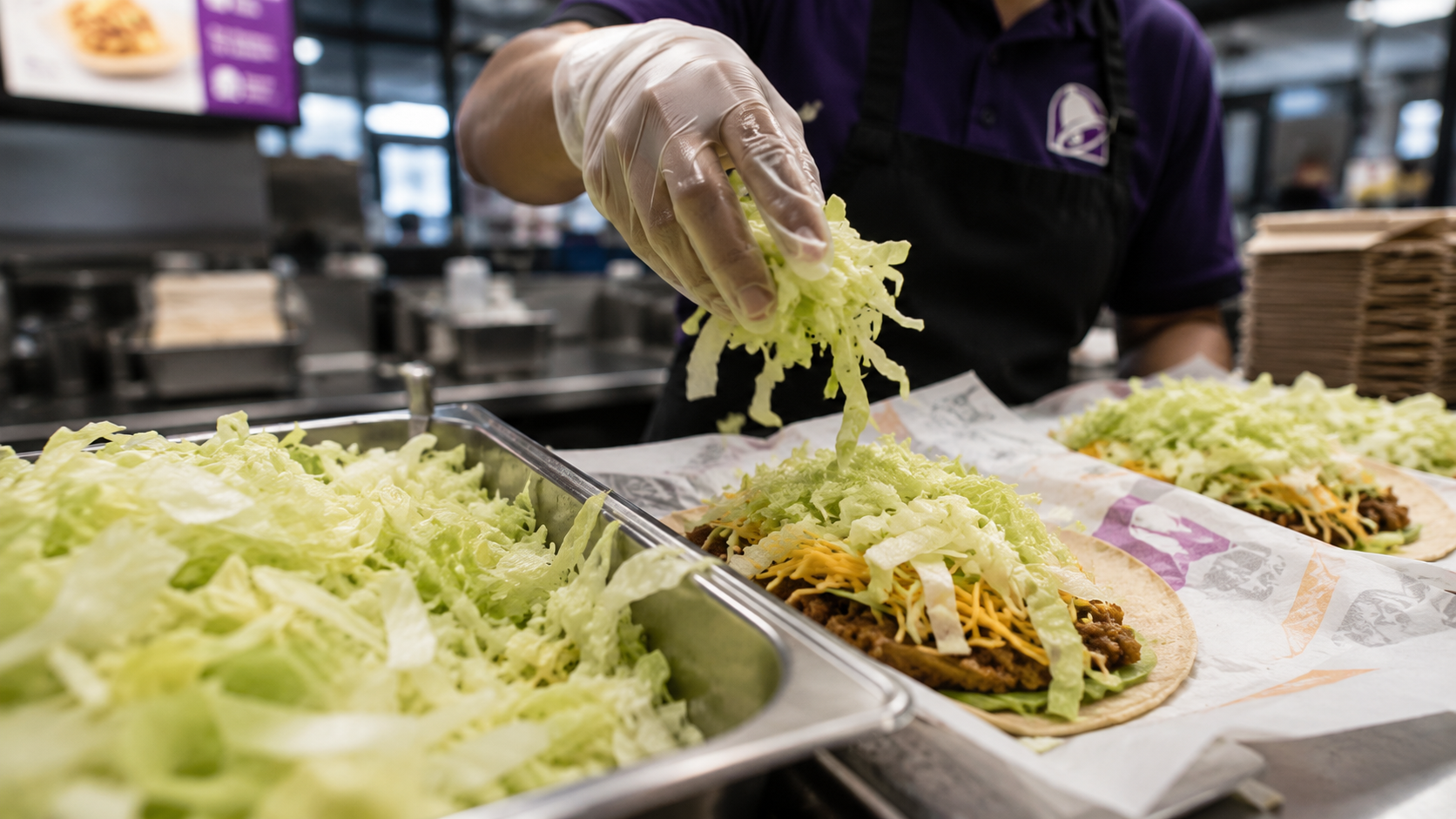
Taco Bell lettuce has been linked to a cyclosporiasis outbreak as the chain removes potentially affected lettuce in select states.
A person familiar with the investigation said iceberg lettuce sold at some Taco Bell restaurants is connected to the outbreak. The illness, cyclosporiasis, is an intestinal infection caused by a microscopic parasite, and reported cases are rising across the US.
Taco Bell said it had taken “immediate action to voluntarily remove potentially impacted lettuce from a supplier in select states.” The company statement did not name the supplier, identify the states, or say how many restaurants received the lettuce.
Lettuce pulled in select states
The company’s response points to a targeted supply action rather than a systemwide menu change. The available facts show a removal of potentially affected lettuce from one supplier in certain states, not a confirmed nationwide withdrawal.
The distinction matters for customers and operators because Taco Bell restaurants depend on centralized ingredient sourcing to keep menus consistent. If the affected supply is narrow, disruption may be limited to restaurants connected to that supplier and those states.
The investigation remains incomplete based on the information made public. No case count, hospitalization figure, supplier identity, shipment date, or full geographic map was provided, leaving the scale of exposure unclear.
Parasite illness complicates supply checks
Cyclosporiasis is tied here to an intestinal illness caused by a microscopic parasite, not a bacterial contamination claim. That makes the public-health question different from routine spoilage because investigators must trace where the lettuce moved and where illness was reported.
Iceberg lettuce can pass through growers, processors, distributors, and restaurant kitchens before reaching customers. A single implicated ingredient can therefore affect multiple locations even when the first visible problem appears at the restaurant level.
For Taco Bell, the immediate business risk is reputational as much as operational. The company has said it removed potentially impacted lettuce, but customers will look for clearer answers on where the product was served and whether any additional ingredients are being reviewed.
Supplier name remains undisclosed
The unnamed supplier is central to the next phase. If investigators confirm a limited batch tied to specific shipments, Taco Bell can contain the issue through substitution, disposal, and supplier checks without broad menu disruption.
If the inquiry widens to more states or more restaurants, the chain could face higher disposal costs, tighter quality-control demands, and more customer questions. The wider quick-service sector would then face pressure to review lettuce sourcing, especially for ingredients used fresh and served across many outlets.
At the macro level, the current facts point to a food-safety event rather than a measurable nationwide pricing shock. No verified data in the available record show broader lettuce supply disruption, retail price effects, or a material change in food inflation.
Three paths for the investigation
If the lettuce link holds and the supplier exposure is narrow, the main effect would likely stay local: Taco Bell replaces the product, the supplier faces scrutiny, and competing chains avoid major disruption. The global macro effect would be minimal because the mechanism would be a contained recall-style supply adjustment.
If more cases are connected to additional locations, Taco Bell’s exposure could shift from a short-term removal to a broader food-safety management test. The sector impact would come through procurement audits, tighter supplier documentation, and possible temporary menu substitutions at restaurants that rely on similar produce channels.
If investigators cannot confirm the lettuce pathway, the company may still have to manage customer concern while public-health officials search for another source. The open questions are specific: which supplier handled the lettuce, which states were affected, how many cases are tied to Taco Bell restaurants, and whether more products are under review.