

NRDC accuses Trump administration of 500 cancer-protection rollbacks
The advocacy group says rule changes, delays and scientific-protocol revisions would raise exposure to carcinogens across air, water, workplaces and consumer…
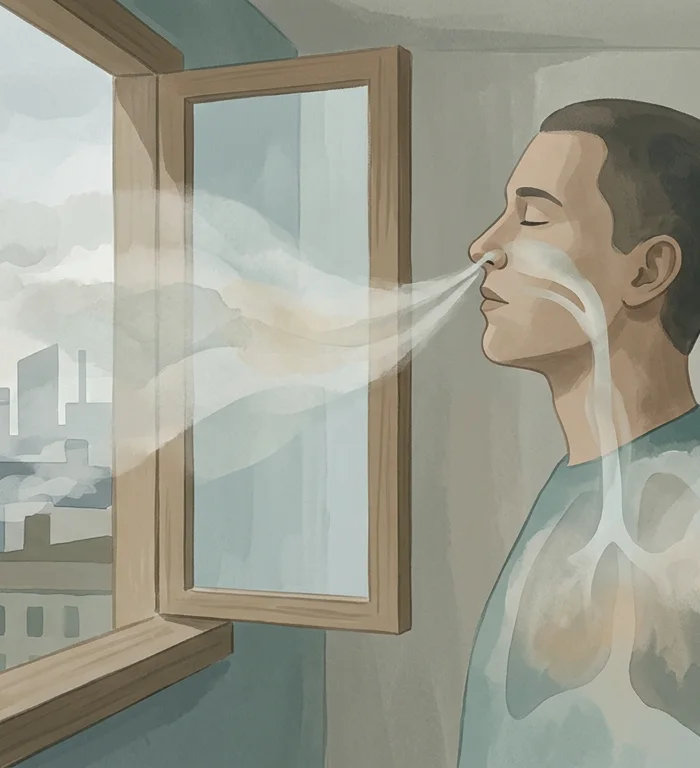
NRDC accused President Trump's administration of over 500 federal actions that weaken safeguards against cancer-causing substances in an October report covered by the Guardian on Nov. 5.
The allegations matter because the Guardian article said the changes are unfolding as officials expect more than 2 million U.S. cancer diagnoses this year and certain cancers in younger people are rising by about 30% each decade.
The Natural Resources Defense Council report, according to the Guardian, describes changes across the Environmental Protection Agency, the Centers for Disease Control and Prevention, the Nuclear Regulatory Commission, the Occupational Safety and Health Administration and other federal bodies. The report calls the actions a “pro-cancer” agenda, a characterization from the advocacy group rather than a finding by a court or regulator.
NRDC lead author Erik Olson told the Guardian he was “surprised by the breadth of the whole government effort to undermine all the protections against cancer”. He said the changes were difficult for the public to track because they were spread across technical federal processes and multiple agencies.
The Guardian said the actions include delayed rules, rescinded or loosened protections, reduced research funding, changes to risk assessment, and cuts to cancer research staff. Some examples cited include delayed asbestos protections and the administration's position in litigation involving Bayer and glyphosate, a pesticide the Guardian described as carcinogenic.
A central issue is how agencies judge risk from carcinogens, meaning substances linked to cancer. The Guardian reported that the Trump EPA has moved away from a “no safe level of exposure” approach, under which any exposure is treated as carrying some risk, toward a threshold approach that treats some exposure levels as acceptable.
The article said that shift has already produced weaker formaldehyde protections and may affect rules on hexavalent chromium, a water contaminant. It also said nuclear regulators are moving to remove a duty to keep exposure to radioactive carcinogens as low as reasonably achievable, citing the NRDC report.
The Guardian quoted an unnamed EPA employee, who declined to be identified because of fear of retribution, saying the effort was directed from agency leadership. “There is no way to sugarcoat what is happening,” the employee said.
Betsy Southerland, a former EPA water office director, told the Guardian that changes to chemical risk assessments could affect regulations covering air, water, consumer products and cleanup requirements at Superfund sites, which are among the most polluted locations in the U.S. “This is a killer for any emerging contaminant work, and for [carcinogens and other chemicals] that they are revisiting,” she said.
The article also cited cancer trends as context, including a nearly 3% annual increase in colon cancer rates among people younger than 50 from 2013 to 2022 and a 35% rise in childhood leukemia in recent decades. Those figures do not establish that the cited federal actions caused cancer trends; they frame the public-health stakes described by the Guardian and NRDC.
The Guardian said it contacted the White House and the EPA for comment, and it reported that the timing of delayed industry cancer-data reviews for chemicals such as benzene, bisphenol A and vinyl chloride is unclear.
Source: news article, The Guardian Health, Nov. 5, 2026.
Atlas360 reports health research and does not provide medical advice.
More stories
- Energy drinks show 11-fold cardiac-arrest reporting signal
- Children with higher ultra-processed intake show stronger reward signals
- Avocado-mango diet linked to 6.7% vessel function in prediabetes
- Cinaciguat cuts amyloid beta by half in aging rats
- GLP-1 drinkers report lower alcohol use in Harvard survey
- Adults losing 5% in midlife show slower heart-marker decline
Latest news
- Democrats win Congress as household costs test new power
- DoorDash curbs Instacart LinkedIn ties during $17bn review
- Emirates profit falls 66% as fuel costs rise
- Brent crude rebounds as chip shares extend their retreat
- Repeated bomb threats disrupt flights across Europe again
- Channel 4 ends 10-year Married at First Sight UK run
- French MPs reject 2027 budget revenue plan 458-0
- Arctic route saves South Korean ships at least 10 days to Europe