Ebola vaccine trial starts as Congo outbreak widens again
Oxford’s Ebola vaccine trial targets Bundibugyo as DR Congo reports new provincial spread and nearly 2,000 infections since mid-May.
Ayla Demirhan ·
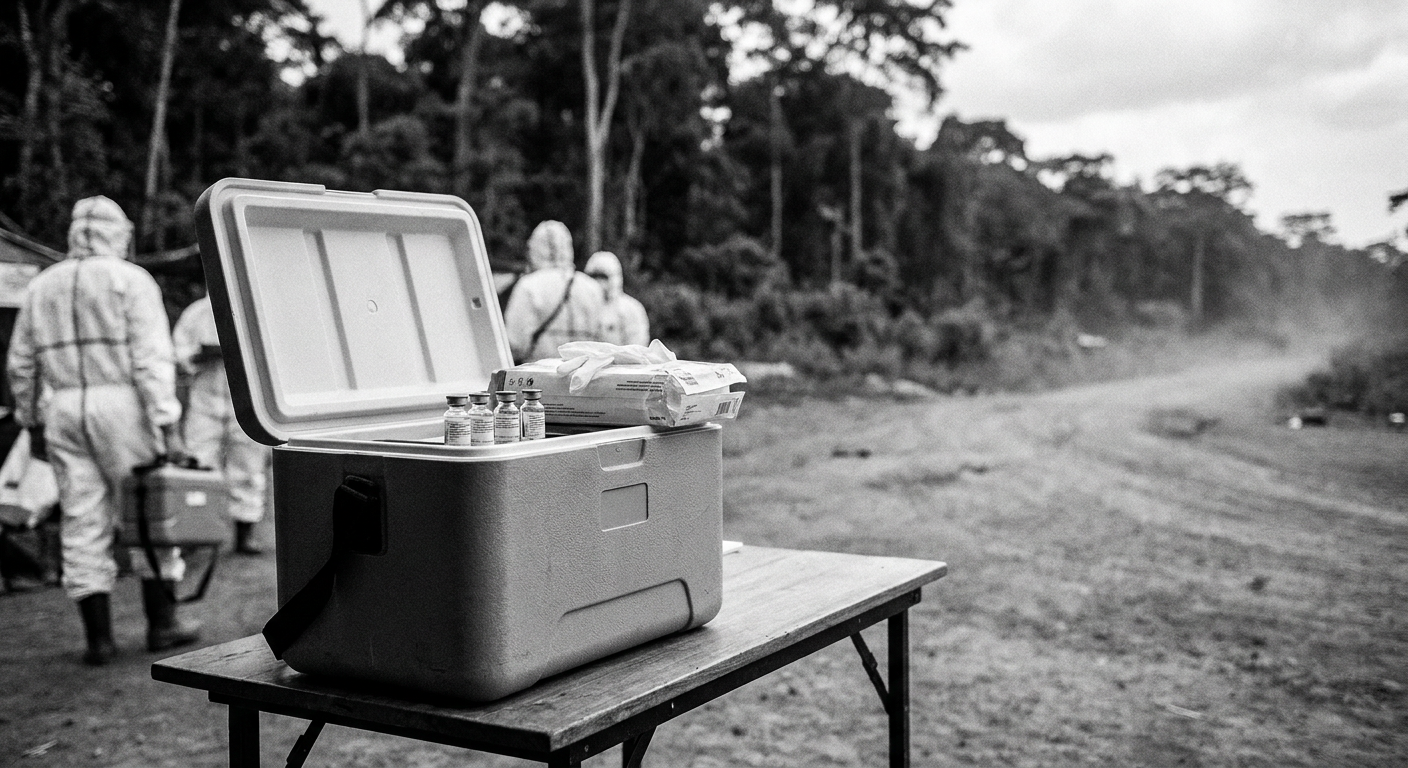
Ebola vaccine testing has begun at Oxford as DR Congo’s outbreak spreads to new provinces, raising containment pressure. The trial targets Bundibugyo.
The University of Oxford is enrolling 50 healthy adults in Oxford, UK, for a human study aimed at the Bundibugyo strain, according to the details provided. The strain is drawing urgent attention because it moved through parts of DR Congo for weeks before being detected, and the source says there is no known vaccine or treatment for it.
Oxford tests 50 adults
The Oxford trial matters because it is aimed at a strain outside the current protection gap described by health officials. Human testing in healthy volunteers is an early step toward knowing whether a vaccine candidate can be used more widely, although the provided details do not give a dosing schedule, trial duration, or endpoint.
For Oxford, the immediate task is narrow but important: generate human safety and immune-response data quickly enough to be useful to public health authorities. For affected communities, the trial does not change the near-term need for case finding, isolation, safe burials, and trusted local communication.
Congo reports wider spread
Congolese health officials have confirmed new infections and one death in two additional northeastern provinces. That expansion suggests the outbreak is no longer confined to its earlier known areas, complicating surveillance and contact tracing.
Nearly 2,000 people have been infected and more than 700 have died in DR Congo and parts of Uganda since mid-May, according to the figures supplied by health authorities. Those numbers point to a severe outbreak even before accounting for missed cases, delayed reporting, or communities cut off by insecurity.
The World Health Organization warned last week that the real toll could be two to four times higher than official data shows. If that warning proves accurate, the outbreak’s operating picture is materially worse than the confirmed tally suggests, with more chains of transmission likely active than response teams can currently see.
Aid cuts meet conflict
Containment is being slowed by three pressures acting at once: misinformation, conflict near affected communities, and shortages linked to Western aid cuts. Each one weakens a different part of the response, from public trust to field access to the supplies needed for testing and protective work.
Misinformation can reduce cooperation with health workers, making people less likely to report symptoms or identify contacts. Conflict can keep responders from reaching villages quickly, while shortages can delay protective equipment, transport, lab capacity, or community outreach.
The industry implication is clear: vaccine development cannot be separated from delivery conditions. A promising Ebola vaccine candidate still depends on trial data, regulatory review, manufacturing capacity, and field logistics, all of which become harder when an outbreak is moving faster than the response network.
If confirmed cases remain close to official counts, the global macro effect is likely to run mainly through regional health spending, border screening, and aid budgets rather than broad market disruption. In that path, Oxford’s trial could become a targeted scientific response, while the wider vaccine sector would focus on filling a strain-specific gap.
If the WHO’s undercount warning is borne out, the pressure shifts sharply. DR Congo and neighboring areas would face a larger emergency burden, Oxford’s data would become more urgent for policy decisions, and vaccine developers would face renewed scrutiny over whether outbreak pathogens are being covered before they spread across borders.
The central uncertainties are measurable: how far Bundibugyo has already traveled, whether reporting gaps can be narrowed, whether communities will cooperate with tracing teams, and whether the Oxford study produces usable safety data. Those questions will determine whether the response stays local and targeted or becomes a broader regional health campaign.