

Lebanon Ceasefire Initiative: Hezbollah, Israel Pause Attacks
Lebanon announced a partial ceasefire between Hezbollah and Israel, aiming for limited de-escalation amidst ongoing regional tensions.
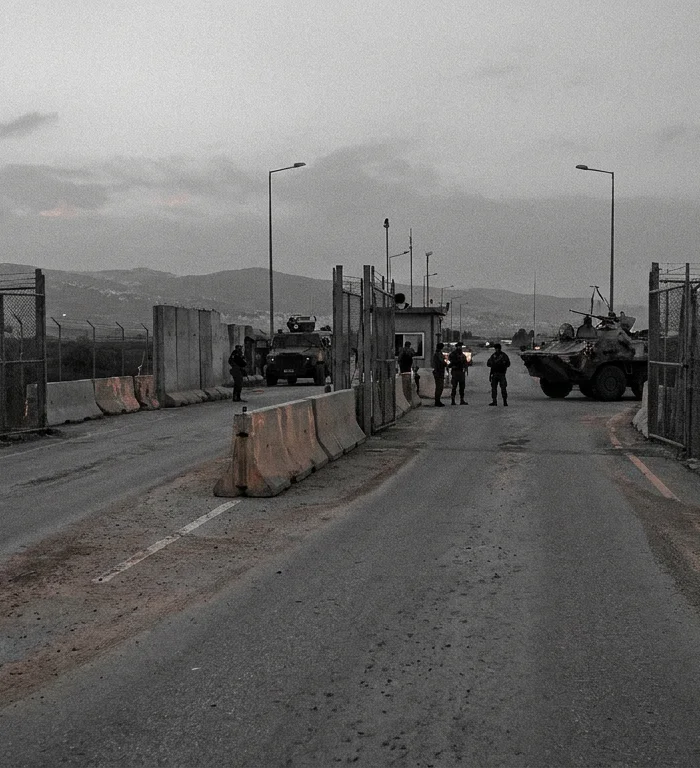
A partial ceasefire between Hezbollah and Israel was announced by Lebanon on Monday, signaling a potential, albeit limited, de-escalation in the prolonged conflict. This agreement, communicated by Lebanon's embassy in Washington, excludes ending the overall conflict but mandates Israel to cease strikes on Beirut and its suburbs, while Hezbollah would halt attacks on Israel.
This development comes amid a broader U.S.-Israeli conflict with Iran, intricately linked to the regional situation. Despite the ceasefire announcement, hostilities in southern Lebanon continued, with Israeli forces intercepting projectiles from Lebanon into northern Israel early Tuesday.
U.S. Mediation and Regional Dynamics
U.S. President Donald Trump was the first to publicize the agreement, stating that Hezbollah, through intermediaries, had pledged to refrain from attacking Israel. Despite the U.S. designating Hezbollah as a terrorist organization, Trump indicated that Israeli Prime Minister Benjamin Netanyahu also agreed to withdraw any troops poised to attack Beirut.
Conversely, Netanyahu later asserted that Israel would continue its military operations in southern Lebanon. Israeli ground forces are currently advancing toward the Zaharani River, marking their deepest incursion into Lebanon in 25 years, complicating the ceasefire's full implementation.
Future Negotiations and Broader Implications
Hezbollah lawmaker Hassan Fadlallah indicated the militia's support for a comprehensive ceasefire across all of Lebanon, contingent on the withdrawal of Israeli troops. However, he did not confirm whether the group would cease its strikes on Israeli territory under the current limited agreement.
Lebanon intends to seek an expansion of this ceasefire during talks with Israel scheduled for Wednesday in Washington. This diplomatic effort could potentially revive attempts to resolve the three-month-old war, which originated with U.S. and Israeli actions against Iran and has been in a stalemate despite fragile ceasefire agreements.
More stories
- Eisenkot secures first coalition deal but lacks majority
- Germans oppose Ukraine aid as poll shows support slipping
- Kim Jong-un receives 10 envoys after constitutional shift
- Ukraine claims Libya strike sinks Russian naval corvette
- COP31 climate talks collapse over fossil fuels and funds
- Russian military faces 1,087 recorded suicides in Ukraine war
- Trump: Iran Deal Draft Includes Clear Nuclear Restrictions
- French navy, UK back Tagor interception amid sanctions push
- U.S. Soldier Charged Over $400,000 Betting Scheme Tied to Maduro Raid
- U.S. forces board Majestic X tanker to block Iranian oil
Latest news
- Morocco targets 2030 World Cup final with new stadium bid
- Barclays puts AI bust risk at center of US growth debate
- US inflation reaches 3.8% before December Fed rate meeting
- Türkiye Desk: GTA 6 drains UK mobile spend as Turkish studios feel pressure
- Global stocks fall 0.4% as tariffs and US inflation loom
- CIA hack affects unclassified data; scope remains unclear
- Trump prepares tariffs on China and other major exporters
- New-car buyers pay record average $50,087 in October