

Kim visits Dandong as border bridge opens route to China
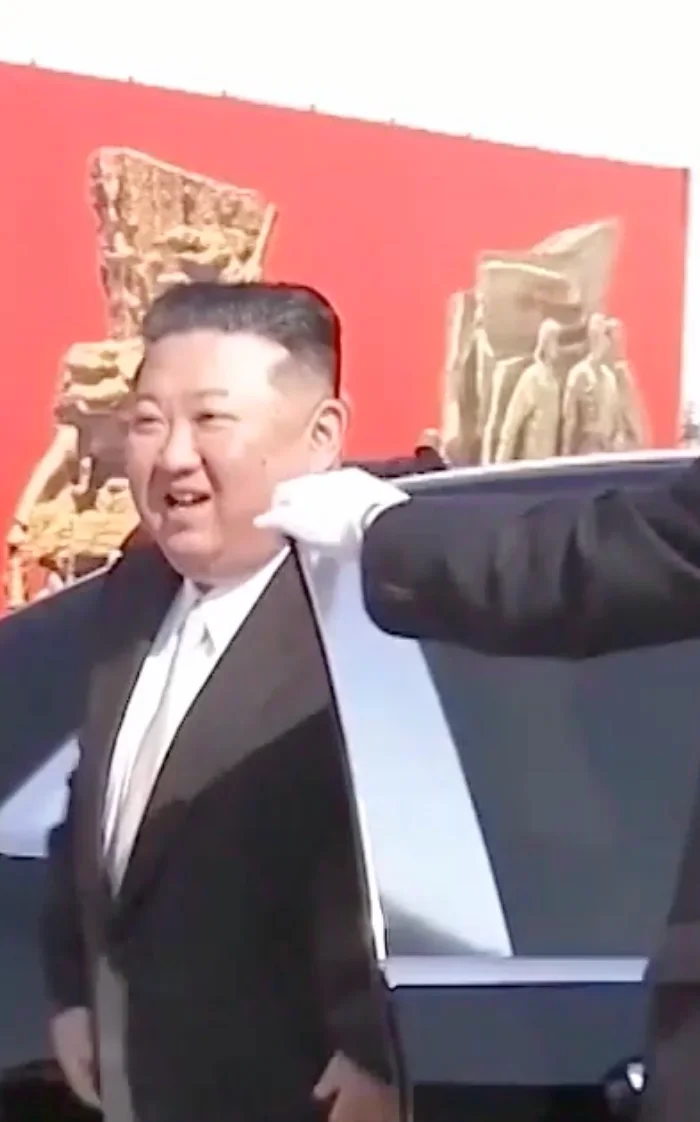
Kim Jong Un visited Dandong on a one-day trip combining war remembrance with a new border crossing, North Korean state media reported.
Kim returned home by road across a recently opened bridge linking North Korea and China, according to the state media account published October 25. The crossing connects Pyongyang with its leading trade partner and principal international supporter.
The visit placed two aspects of the relationship together: its origins in wartime cooperation and its present-day economic importance. Kim toured a Korean War memorial during the brief stay in the Chinese border city, with official coverage emphasizing the countries' shared military history.
Dandong crossing links remembrance and commerce
The trip took place October 24, immediately before the anniversary commemorating China's entry into the war alongside North Korea, according to Pyongyang's state media. That timing gave the memorial visit a specific historical setting rather than making it simply a border engagement.
The newly opened bridge supplied a different element: a road connection with North Korea's most important commercial partner. Kim's return journey demonstrated its use for the leader's travel; whether it supports a sustained expansion in trade is a separate question.
For Pyongyang, the relationship joins external political support with access to trade. The memorial and crossing illustrated those distinct roles, although a ceremonial visit and a leader's passage across a bridge do not themselves establish a change in commercial activity.
Kim invokes China's wartime support
During the memorial tour, Kim pledged that North Koreans would "forever remember the glorious years of fighting alongside the Chinese people", KCNA reported. His remarks presented remembrance of China's military assistance as an obligation extending beyond those who experienced the conflict.
Kim also promised to transmit "generational gratitude to the Chinese people who helped our revolution with blood", according to KCNA. The language explicitly tied the current relationship to China's support for North Korea during the war, rather than to a new economic commitment.
State media characterized the bilateral bond as "unbreakable", invoking the conflict that lasted from 1950 to 1953. That description represents Pyongyang's official framing of the relationship, not an independent assessment of how either government would respond to future disagreements.
Armistice remains the peninsula's unfinished settlement
The war pitted North Korea against the US-supported South, with China intervening on Pyongyang's side. Fighting stopped under an armistice rather than a peace agreement, leaving the two Koreas technically at war and giving commemorations of the conflict an enduring political setting.
If the new crossing supports more regular commercial traffic, its economic importance would extend beyond the symbolism of Kim's return journey. If its use remains limited, the visit's clearest immediate significance would instead be the public reaffirmation of ties through wartime remembrance.
More stories
- Eisenkot secures first coalition deal but lacks majority
- Germans oppose Ukraine aid as poll shows support slipping
- Kim Jong-un receives 10 envoys after constitutional shift
- Ukraine claims Libya strike sinks Russian naval corvette
- COP31 climate talks collapse over fossil fuels and funds
- Russian military faces 1,087 recorded suicides in Ukraine war
- CENTCOM reportedly readies Iran strike options after Nov. 3 polls
- Philippine internet users 16 and older use AI at 94.4% rate
- Musk pledges $10.7bn SpaceX stake to US children
- Researchers urge wider mental-health systems for African schools
Latest news
- Trump prepares tariffs on China and other major exporters
- New-car buyers pay record average $50,087 in October
- Banks face ECB reserve debate over liquidity and profits
- Investors see Anthropic debut gains fade below $83 a share
- Iraq orders federal control over Kurdish-area oilfields
- Nvidia shares retreat as AI rally cools before PCE data