Khamenei message calls for Muslim unity in the Gulf now
Khamenei urged Muslim countries, especially Gulf states, to close ranks against a “real enemy” in an August 30 message tied to Islamic Unity Week.
Omar Farouk ·
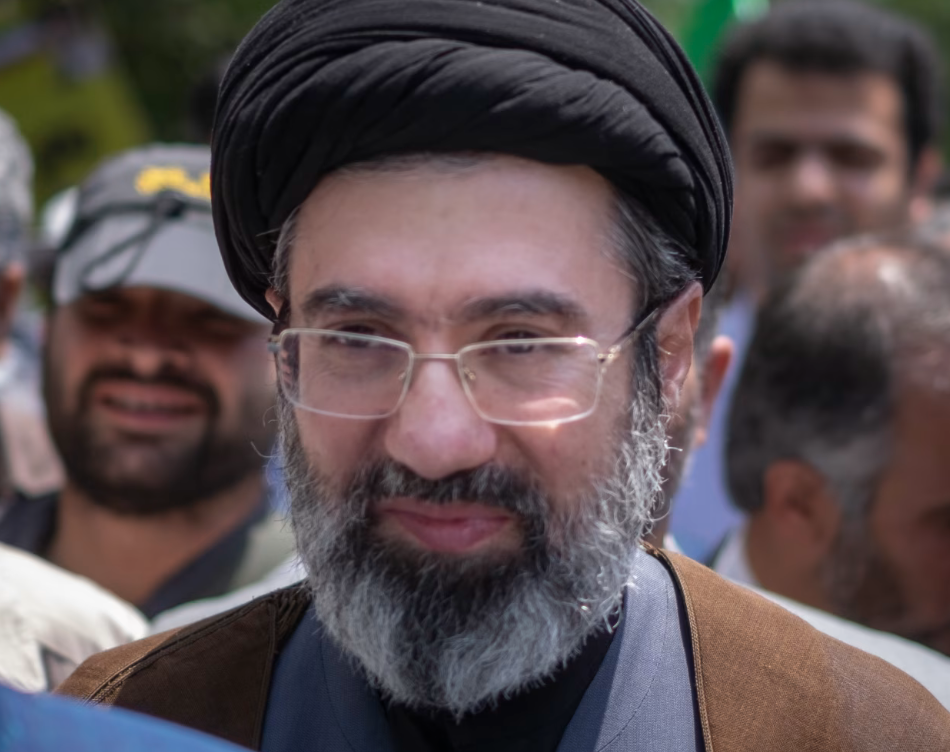
Khamenei used an August 30 message to urge Muslim states, especially Gulf rulers, to unite against a “real enemy” as regional rifts widened.
Supreme Leader Mojtaba Khamenei’s appeal was published on his Telegram account for Islamic Unity Week, the annual observance marking the Prophet Muhammad’s birthday. The message framed Muslim political division as an advantage for adversaries and called for cooperation across multiple fields, including mutual defense.
Telegram post frames unity
The post said anyone creating splits among Muslims, “knowingly or unknowingly,” was helping Islam’s enemies. It also linked the argument to Palestinians, asking whether they would have been left “so helpless” if Muslim countries had acted as a united bloc.
Khamenei directed the message most pointedly at rulers in West Asia and the Gulf. “My emphatic and repeated recommendation to the rulers of Islamic countries, especially the countries of West Asia and the Gulf, is to identify your real enemy, understand his plan and confront it,” Khamenei said.
The statement did not identify a specific state as the “real enemy.” Its target, however, was framed through a regional lens: Khamenei asked Gulf Arab rulers whether “rogues without identity” would have dared to covet their lands and possessions if Gulf peoples and governments had been “united under the flag of Islam.”
Friday statement set the tone
The Telegram post followed a separate message to Iranians on Friday in which Khamenei urged restraint in domestic political language. He said he had banned actions that harm social cohesion and told authorities to avoid “discouraging statements” that weaken national and public morale.
The two messages put external unity and domestic morale inside the same political frame. Khamenei’s wording suggested that fragmentation, whether between Muslim governments or inside Iran, was being treated as a security issue rather than only a matter of public debate.
The report said Khamenei has not been seen publicly since being injured in U.S.-Israeli airstrikes six months ago. It also said those strikes killed his father, Ayatollah Ali Khamenei, the previous supreme leader, and marked the beginning of the Iran war.
Gulf history shapes response
The appeal lands against a long record of distrust between Tehran and Gulf Arab monarchies. Since Iran’s 1979 Islamic Revolution, those governments have viewed Iran’s revolutionary ideology, including anti-monarchic rhetoric and regional activism, as a threat to their political systems.
The present conflict has added a military layer to that rivalry. Tehran has struck U.S. military facilities and other infrastructure in Gulf states, according to the report, putting governments addressed by Khamenei in the position of hearing a unity appeal from a power also involved in attacks across their region.
For Gulf rulers, the practical issue is whether religious framing can outweigh state security calculations. Their governments must balance public sensitivity over Palestinians, concern about Iranian influence, defense ties with Washington and the need to protect energy, ports and aviation infrastructure.
Scenarios run through oil
If Gulf governments treat the message as rhetoric and keep existing security alignments intact, the global macro effect would likely run through risk management rather than a sudden policy break. Energy traders, shipping insurers and defense planners would remain focused on whether attacks on facilities or transport routes continue.
For Khamenei, that path would preserve the political value of a unity message without requiring visible diplomatic concessions from Gulf capitals. For the wider energy and security sectors, it would mean continuity: high attention to Gulf infrastructure, insurance costs and military posture, but no clear shift in regional alignment.
If Gulf leaders instead open even limited channels with Tehran under the banner of Muslim unity, the mechanism would be de-escalation. A reduction in attacks or hostile signaling could lower pressure on Gulf logistics and energy infrastructure, while giving Khamenei a claim that his message produced movement.
A third path is sharper rejection by Gulf governments, especially if they read the message as pressure rather than outreach. That would leave the Iranian leadership with fewer diplomatic openings, keep the Gulf security sector tied closely to deterrence planning and sustain a macro risk premium around energy supply routes until the conflict’s next phase is clearer.