Kennedy faces Trump push on childhood vaccines policy again
Childhood vaccines are testing President Trump’s relationship with HHS Secretary Robert F. Kennedy Jr. before the midterm elections.
Lauren Collins ·
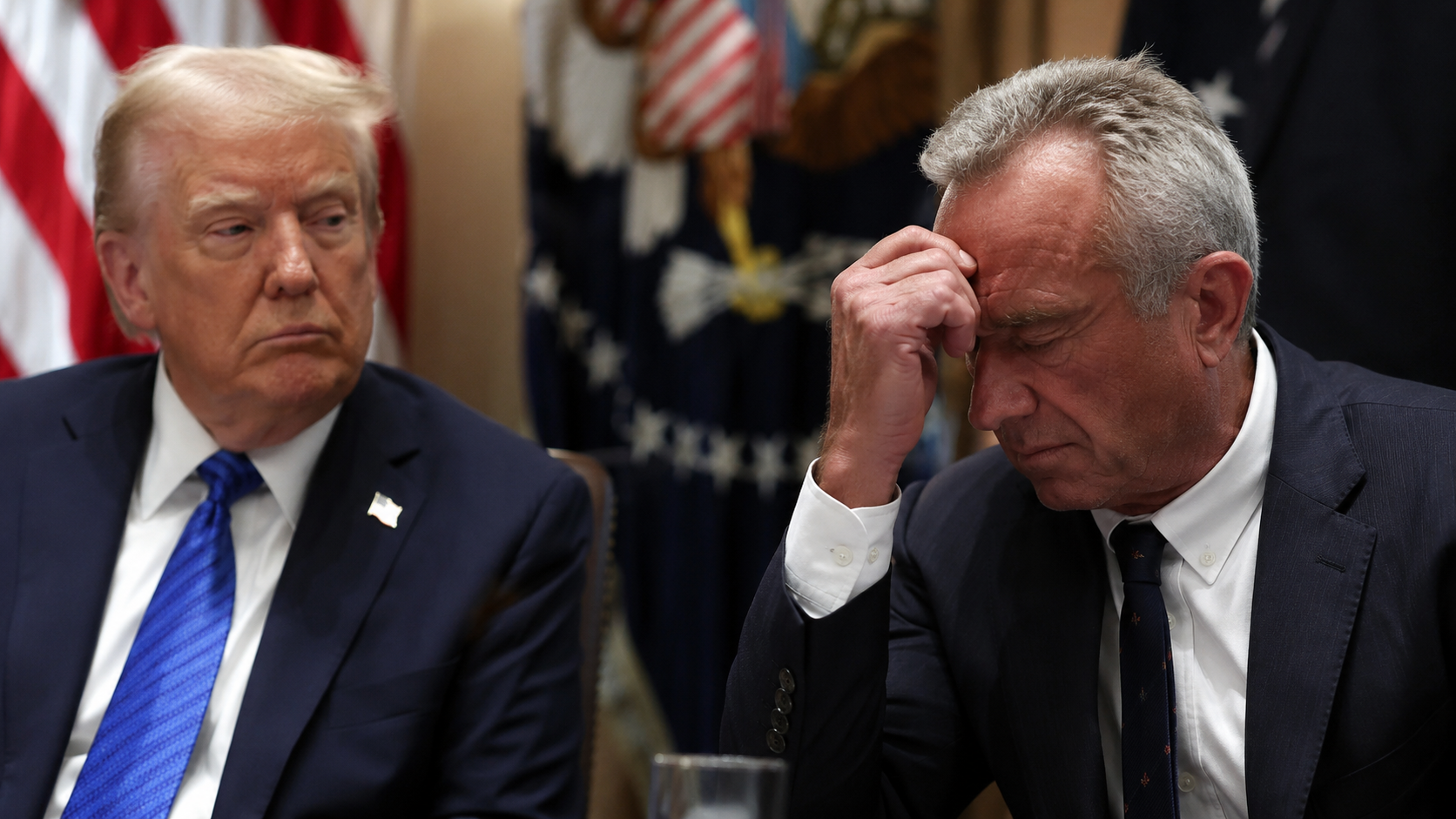
Childhood vaccines have become a new pressure point between President Trump and Health and Human Services Secretary Robert F. Kennedy Jr.
Trump is pressing Kennedy to do more to reduce the number of shots . The push has opened a sensitive political and public-health fault line inside an administration already preparing for midterm elections.
Trump shifts vaccine pressure
Kennedy entered office with a long record of skepticism toward vaccination, making him a closely watched figure at Health and Human Services. White House political advisers had asked him to soften the profile of his vaccine work ahead of the midterms, the source material said.
The pressure is now coming from the president himself. Trump wants the study of vaccines and autism to receive greater priority, according to the same account, and he hopes lower autism rates could eventually follow from fewer .
The source material cautioned that any such effect, if it occurred, could take years to measure. It did not provide public data on current childhood vaccine schedules, autism rates, or the specific changes under review, so those figures are not included here.
Kennedy role complicates message
The tension matters because federal vaccine guidance shapes the decisions of pediatricians, state health programs, insurers, schools, and parents. A change in recommendations from Health and Human Services would carry weight beyond Washington, even before any formal rulemaking or advisory process is complete.
Kennedy’s position gives the debate unusual political force. As health secretary, he sits at the center of federal health policy; as a public figure associated with vaccine skepticism, he also draws scrutiny from medical groups, parent organizations, and lawmakers who view childhood immunization as a core public-health tool.
For Trump, the issue links two separate pressures: the demands of a political base that has questioned public-health institutions and the need to avoid a midterm fight that could alarm suburban families. Advisers’ earlier effort to lower the temperature suggests the White House viewed vaccine policy as electorally risky before Trump raised the pressure himself.
Autism question raises risks
The autism angle is the most volatile part of the debate. The source material says Trump wants vaccine and autism research elevated, but it does not identify a new study, formal directive, or agency timetable behind that aim.
That leaves an important distinction for policymakers: studying a question is different from changing national guidance. If the administration orders more research while leaving recommendations intact, the near-term effect may be political signaling rather than a practical change in pediatric care.
If HHS instead moves to reduce . Doctors would need updated clinical guidance, insurers could reassess coverage assumptions, states could face pressure over school-entry rules, and vaccine manufacturers would have to readjust expectations for demand.
The global effect would depend on whether the U.S. move remains domestic or influences other countries’ health debates. If allied governments keep their own schedules unchanged, the macro impact would likely be limited; if vaccine confidence weakens more widely, public-health systems could face higher costs from preventable disease outbreaks.
For Kennedy, the next phase will test whether he can manage Trump’s demands while preserving the credibility of the department he leads. For the health sector, the question is whether this becomes a contained review, a formal policy shift, or a longer fight over the authority of federal vaccine guidance.
The open questions are concrete: whether HHS issues a written directive, which advisory bodies are involved, whether any schedule changes are proposed, and how the White House frames the issue before the midterms. Until those details emerge, the story is best understood as a political escalation inside health policy, not a completed change in vaccine rules.