

Kazakhstan Targets 2035 Completion for Two Nuclear Power Plants Costing Over $16 Billion
Kazakhstan aims to complete two nuclear power plants by 2035, with the first $16.
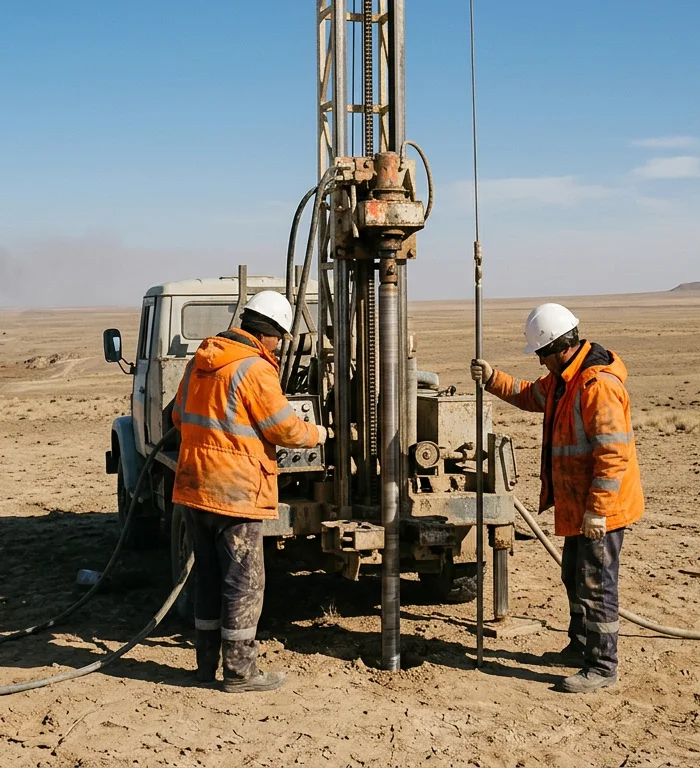
Kazakhstan has set a 2035 deadline for the completion of two major nuclear power projects. The first facility, located near Lake Balkhash, is being developed in partnership with a Russian consortium, while the second, named Moyynkum, is under negotiation with the China National Nuclear Corporation (CNNC).
The Balkhash project, which involves the installation of two VVER-1200 reactors with a combined capacity of 2.4 gigawatts, is currently estimated to cost approximately $16.4 billion. Reports indicate that Russia may provide up to 85 percent of the project’s financing through a state export loan. Preliminary survey work for this site commenced in August 2025, with construction slated to begin in 2027.
While the government has expressed an intent to While the government has expressed an intent to complete both plants by 2035, the Moyynkum project remains in the early stages of development. Officials are currently finalizing the parameters, terms, and timelines for the Chinese-led facility, which is expected to mirror the capacity of the first plant.
Potential sites for this third facility include the Beyond these two primary projects, authorities are evaluating the feasibility of a third, smaller-scale nuclear plant with a capacity between 300 and 600 megawatts. Potential sites for this third facility include the Abai Region in the east or various locations in western Kazakhstan.
President Kassym-Jomart Tokayev has characterized the expansion of nuclear infrastructure as a strategic priority for national development. The government is actively seeking to leverage these projects to facilitate technology transfers, develop high-tech production facilities, and train a domestic workforce in nuclear energy expertise. These initiatives follow a 2024 national referendum that authorized the pursuit of nuclear power, a process that faced significant domestic criticism regarding the transparency of the public consultation.
More stories
- Germans oppose Ukraine aid as poll shows support slipping
- Kim Jong-un receives 10 envoys after constitutional shift
- Ukraine claims Libya strike sinks Russian naval corvette
- COP31 climate talks collapse over fossil fuels and funds
- Russian military faces 1,087 recorded suicides in Ukraine war
- US faces China, Russia in Africa minerals contest
- Arctic route saves South Korean ships at least 10 days to Europe
- Tinubu seeks $7.7bn external loan for Nigeria deficit
- Lavrov urges Lebanon ceasefire after talks with minister
- Saudi airport attack kills 13, strains missile defenses
Latest news
- Trump prepares tariffs on China and other major exporters
- New-car buyers pay record average $50,087 in October
- Banks face ECB reserve debate over liquidity and profits
- Investors see Anthropic debut gains fade below $83 a share
- Iraq orders federal control over Kurdish-area oilfields
- Nvidia shares retreat as AI rally cools before PCE data
- Macy’s parade faces balloon limits as storm winds approach