

Lavrov urges Lebanon ceasefire after talks with minister
Russian Foreign Minister Sergei Lavrov urged a Lebanon ceasefire in Moscow, accusing Israeli forces of breaking international law.
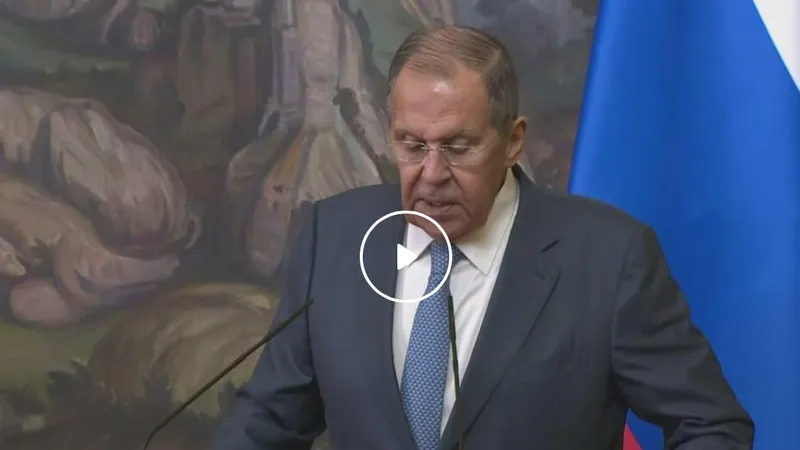
Russian Foreign Minister Sergei Lavrov urged a Lebanon ceasefire in Moscow, accusing Israeli forces of breaking international law.
Speaking after meeting his Lebanese counterpart Youssef Rajji on October 12, Lavrov also endorsed direct negotiations between Lebanon and Israel with US mediation. His remarks combined criticism of Israeli military conduct with support for a diplomatic channel involving Washington.
Lavrov backs talks while faulting Israel
Lavrov accused Israeli forces of “grossly violating international law” and said their operations were worsening tensions inside Lebanon. Those statements represent the Russian minister's assessment; the supplied material contains no independent legal finding establishing the alleged violations.
He cited civilian suffering in calling for hostilities to stop quickly and urged a negotiated settlement. Lavrov also called for full implementation of a longstanding United Nations Security Council resolution, without identifying its number in the quoted remarks.
The distinction between supporting negotiations and endorsing their outcome matters here: Lavrov welcomed the opening of dialogue but did not describe an agreed settlement. His appeal for a ceasefire came as fighting continued despite diplomatic contacts and earlier ceasefire efforts.
Lebanon and Israel seek different guarantees
The two countries have conducted several rounds of direct negotiations in Washington. The supplied account describes ceasefires and a peace framework alongside those discussions, but provides neither the framework's terms nor a chronology establishing how the arrangements relate to the continuing hostilities.
Israel has sought Hezbollah's disarmament and the establishment of a security zone. Lebanon has called for Israeli forces to withdraw completely and for a comprehensive halt to fighting, placing military presence and the terms of a ceasefire at the center of the dispute.
Hezbollah has remained outside the negotiations, even though Israel's demands directly concern its weapons. That leaves a distinction between what the participating governments discuss and any commitments the group itself might accept; the material contains no Hezbollah response to the demands described.
If the negotiations produce terms accepted by the parties expected to carry them out, a ceasefire could provide a basis for pursuing the political settlement Lavrov advocated. If disagreement over disarmament, withdrawal or the security zone persists, diplomatic meetings alone would not resolve those competing conditions.
Ukraine also enters Moscow discussions
Lavrov said he had also shared Russia's latest assessment of the Ukraine conflict with Rajji. He characterized Lebanon as understanding Russia's actions and its explanation of the conflict's origins, a description attributable to Lavrov rather than a separately quoted Lebanese statement.
He described the meeting favorably and expressed confidence that it would strengthen bilateral dialogue. The substantive questions for the Lebanon negotiations remain whether the parties can reconcile their security demands and whether an agreement can address Hezbollah's role without its participation in the talks described.
More stories
- Germany rejects Russian diesel deal as Merz backs curbs
- Kyiv challenges energy ceasefire as Russia reports talks
- Zelensky Backs Energy Ceasefire, Says Russia Resists
- Saudi airport attack kills 13, strains missile defenses
- Morocco draws $6 billion China EV supply-chain push
- China sanctions two ministers over Taiwan ties
- Trump urges Zelensky replacement over refinery strikes
- Saudi Arabia suspends Riyadh airport operations after attack
Latest news
- EA brings AFC Richmond Women to EA Sports FC 27
- SpaceX spectrum deal sends T-Mobile down 12%
- Allison Transmission stock compounds at 26% over five years
- Federal officers search Ilhan Omar home as midterms near
- EA buyout lifts games M&A to $57.8 billion in Q3
- Nasdaq 100 breaks support as US indexes retreat
- Trump faces six-day tariff deadline with no public notice