

Germany rejects Russian diesel deal as Merz backs curbs
Chancellor Friedrich Merz pledged continued pressure on Moscow, rejecting US sanctions relief tied to a Russian diesel supply deal.
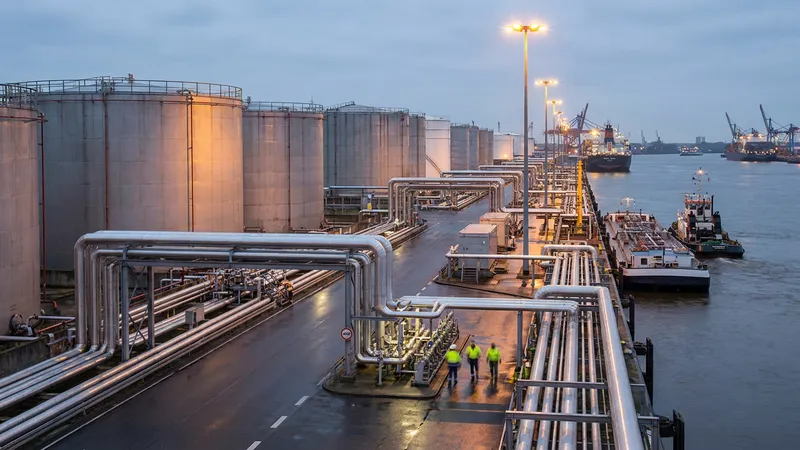
Chancellor Friedrich Merz pledged continued pressure on Moscow, rejecting US sanctions relief tied to a Russian diesel supply deal.
Speaking in Berlin on Monday, Merz said Germany would retain sanctions and seek stronger restrictions, presenting that approach as the European position. His remarks put pressure on Russia at the center of a disagreement with Washington over how to pursue negotiations.
US President Donald Trump announced the arrangement on Friday, saying Russia had agreed to expand diesel deliveries to US buyers and other markets. Washington’s temporary relaxation of fuel sanctions contrasts with Merz’s argument that Moscow needs stronger economic constraints, rather than relief, to negotiate seriously.
Berlin presses for tighter restrictions
The US measures being eased were introduced following the war’s outbreak in February 2022. The diesel arrangement therefore changes part of Washington’s sanctions approach, while Merz’s response signals Germany’s opposition to adopting the same course.
Merz cited Russian strikes against civilian energy facilities in Ukraine as grounds for tightening restrictions. He also argued that Moscow was not currently receptive to peace initiatives or negotiations, an assessment that underpins his stated position on sanctions.
The chancellor spoke of maintaining existing restrictions and pursuing tougher measures; he did not present those two steps as equivalent. His comments set out a policy preference for additional pressure, rather than establishing that new European sanctions had already taken effect.
Diesel prices divide Washington and Kiev
Trump has blamed Ukrainian operations against Russian refineries for increasing diesel prices internationally. That is the president’s explanation for the price pressure, rather than an independently established assessment of how much those attacks have affected fuel markets.
The diesel announcement came after Trump repeatedly urged Kiev to halt refinery strikes. He also demanded a presidential election in Ukraine, arguing that Ukrainian President Volodymyr Zelensky had repeatedly been unable to secure an agreement ending the war with Moscow.
Zelensky, Ukraine’s president, called the diesel arrangement a "weak decision" and warned that it would encourage Moscow while providing more money for the war. His objection places potential Russian revenue at the center of Ukraine’s response, against Trump’s emphasis on fuel supplies and prices.
Merz separately accused Moscow of answering Trump’s proposed energy ceasefire with attacks on Ukrainian civilian energy sites over the weekend. He reaffirmed support for Zelensky and referred to his visit to Kiev the Sunday before last as part of that commitment.
Supply terms shape sanctions consequences
If the arrangement produces additional Russian diesel exports, its economic consequences would depend on delivery volumes, prices and the duration of sanctions relief. Those terms would matter both for the international fuel balance and for the export earnings that Zelensky warned could support Moscow’s military campaign.
If European governments instead pursue the tighter restrictions Merz advocated, the practical effect would depend on which transactions they target. For fuel suppliers and buyers, the central distinction would be between activity permitted under Washington’s temporary relief and activity still constrained by European rules.
More stories
- Russia rejects 60-day Ukraine truce, offers election-day pause
- Russian Strikes Test Trump's Energy Ceasefire
- Kyiv challenges energy ceasefire as Russia reports talks
- Lavrov urges Lebanon ceasefire after talks with minister
- Zelensky Backs Energy Ceasefire, Says Russia Resists
- Saudi airport attack kills 13, strains missile defenses
- Volvo brings electric EX60 to Turkey in November
- Saudi Arabia vows response after Houthi attacks kill 13 in Riyadh