

Russian Strikes Test Trump's Energy Ceasefire
The reported attacks complicate a ceasefire Trump announced after a Russian diesel deal drew criticism from Kyiv.
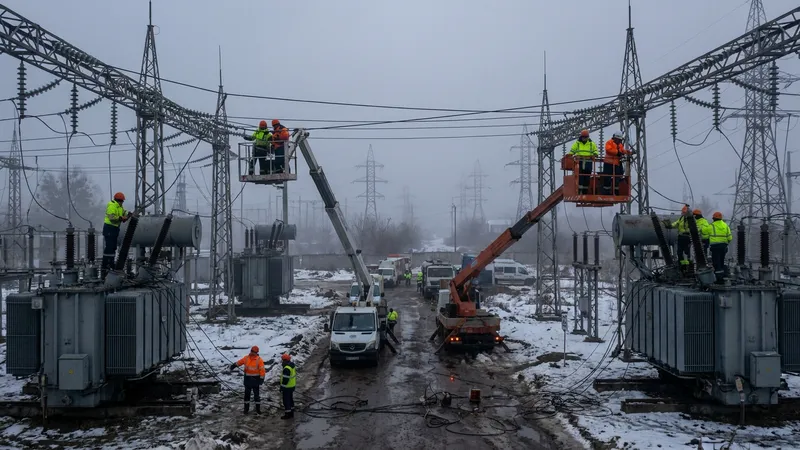
Russian strikes cast doubt on President Trump's claimed energy ceasefire with Moscow on October 12, raising the geopolitical risk around fuel flows and Western policy toward Russia. Reaction pending.
Trump announced the purported pause days after unveiling a deal to buy diesel from Russia, a step Ukrainian President Volodymyr Zelenskyy criticized as a reversal of years of Western efforts to isolate the Russian economy. The sequence puts energy trade, Ukraine policy and sanctions pressure back into the same diplomatic channel.
Russian fuel deal strains Kyiv
Trump has also urged Ukrainians to remove Zelenskyy through an election, marking a sharper public exchange between Washington and Kyiv since Trump returned to power in 2025. Kyiv's criticism centers on the diesel agreement and the signal it sends to Russia while the war continues.
For global markets, the immediate channel is political rather than mechanical: if the ceasefire language holds despite the strikes, traders may treat the diesel deal as a narrower energy arrangement.
If the attacks continue, the risk is that sanctions, shipping insurance and fuel procurement become harder to separate from battlefield events.
For the White House, the issue is whether it can present the diesel purchase and the ceasefire claim as compatible. For Ukraine and its backers, the concern is that Russian energy revenue gains room while pressure on Kyiv's leadership becomes more visible.
By October 13, 2026, the test is whether officials confirm a ceasefire mechanism, clarify the diesel purchase terms, or acknowledge that the strikes have left the arrangement without an enforceable timetable.
More stories
- Pope Leo plans lung surgery, pauses events to October 20
- Russia rejects 60-day Ukraine truce, offers election-day pause
- Germany rejects Russian diesel deal as Merz backs curbs
- Kyiv challenges energy ceasefire as Russia reports talks
- Lavrov urges Lebanon ceasefire after talks with minister
- Zelensky Backs Energy Ceasefire, Says Russia Resists
- Standard Chartered Trims Tech Bets, Citing Near-Term Volatility
- Trump Vows to Fire Advisers Over Bosnian Entity Payments
Latest news
- Anthropic cuts web access after AI testing incidents
- Ukraine says Russia hits six energy targets after Trump ceasefire
- Orion's $59.3 million fraud charge spotlights wire scams
- Orange board weighs Amazon drones, $3,498 refunds
- EA brings AFC Richmond Women to EA Sports FC 27
- SpaceX spectrum deal sends T-Mobile down 12%
- Allison Transmission stock compounds at 26% over five years
- Federal officers search Ilhan Omar home as midterms near