

Kyiv challenges energy ceasefire as Russia reports talks
Russia says energy ceasefire talks remain open, while Kyiv reports attacks on six or more energy sites after President Trump's announcement.
Russia says energy ceasefire talks remain open, while Kyiv reports attacks on six or more energy sites after President Trump's announcement.
The conflicting accounts on October 12, 2026, leave Washington's declaration without matching commitments from both combatants. President Volodymyr Zelenskiy said Ukraine would accept reciprocal limits on energy strikes; Kremlin spokesman Dmitry Peskov described negotiations as continuing rather than concluded.
Kyiv reports strikes after Trump's announcement
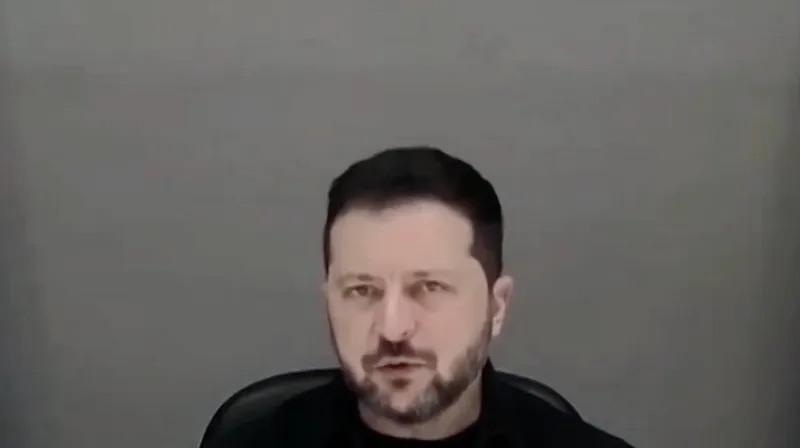
Zelenskiy said Russian forces struck at least six energy locations overnight and into Monday morning. Addressing a conference in Poland remotely, he identified a gas installation and a gasoline station among the locations attacked by drones.
He accused Moscow of rejecting the US initiative and said Ukrainian forces had not attacked Russian refineries overnight. Those statements represent Kyiv's account; the supplied reporting contains no independent verification of either country's compliance.
Trump declared over the weekend that the countries had accepted restrictions on attacks against their energy networks. It was his second such announcement within several weeks without corresponding confirmation from both sides.
The dispute extends beyond the wording of an agreement. The supplied account says renewed Russian attacks on Ukraine's electricity network began two weeks earlier, bringing prolonged daily outages to Kyiv, disrupting water services and sewer operations, and twice interrupting subway operations.
Refineries and sanctions divide Washington and Europe
Ukraine has stepped up long-range attacks against Russian refining and transport infrastructure in recent months. Russia's campaigns against Ukrainian electricity and heating systems have continued through successive winters since its full-scale invasion in 2022.
Trump recently announced plans for Russian diesel purchases and has attributed higher international fuel costs to Ukrainian refinery attacks. Zelenskiy criticized the purchase arrangement as a retreat from Western efforts to constrain Russia economically; the material provides no market data establishing how much the refinery strikes contributed to fuel prices.
European governments took a different approach on Monday, extending sanctions to another 1,569 individuals and businesses. German Chancellor Friedrich Merz argued that economic pressure was necessary to bring Moscow into serious negotiations and urged additional restrictions following attacks against civilian energy infrastructure.
The competing policies create different incentives around Russia's energy trade. Under a scenario in which purchases increase Russian export receipts, sanctions would operate alongside a new source of revenue; the financial balance cannot be assessed without the diesel agreement's volumes, prices and terms.
Election proposal requires a broader truce
Zelenskiy also proposed holding elections, currently suspended during the war, if Russia accepted a comprehensive pause lasting 60 days. Peskov rejected that proposal, distinguishing Moscow's stated objective of durable peace from a temporary halt in fighting.
Trump has urged Ukrainians to replace Zelenskiy through an election. The Ukrainian leader's proposal therefore ties the electoral dispute to a broader security arrangement, not simply protection for refineries and electricity infrastructure.
If reciprocal energy restrictions take effect, Ukraine's utilities would face less exposure to attacks covered by the agreement, while Russian refiners would face fewer Ukrainian strikes. Any relief for international diesel markets would depend on whether operating capacity and export availability improved.
If negotiations continue without restraint, further infrastructure damage could prolong Ukrainian service interruptions and expose Russian fuel production to additional disruption. The immediate unresolved issues are whether both governments accept the same terms, when restrictions begin and how alleged violations would be assessed.
More stories
- Russia rejects 60-day Ukraine truce, offers election-day pause
- Russian Strikes Test Trump's Energy Ceasefire
- Germany rejects Russian diesel deal as Merz backs curbs
- Lavrov urges Lebanon ceasefire after talks with minister
- Zelensky Backs Energy Ceasefire, Says Russia Resists
- Saudi airport attack kills 13, strains missile defenses
- UAE's NCM issues 5.5-hour flood alert as hail hits
- Robert Pether returns after 5-year Iraq detention