Israel flags alleged Iran plot against Trump, testing US-Israel ties
Israel has reportedly warned the US about a fresh Iranian assassination plot targeting former President Donald Trump, a claim attributed to anonymous sources…
Omar Farouk ·
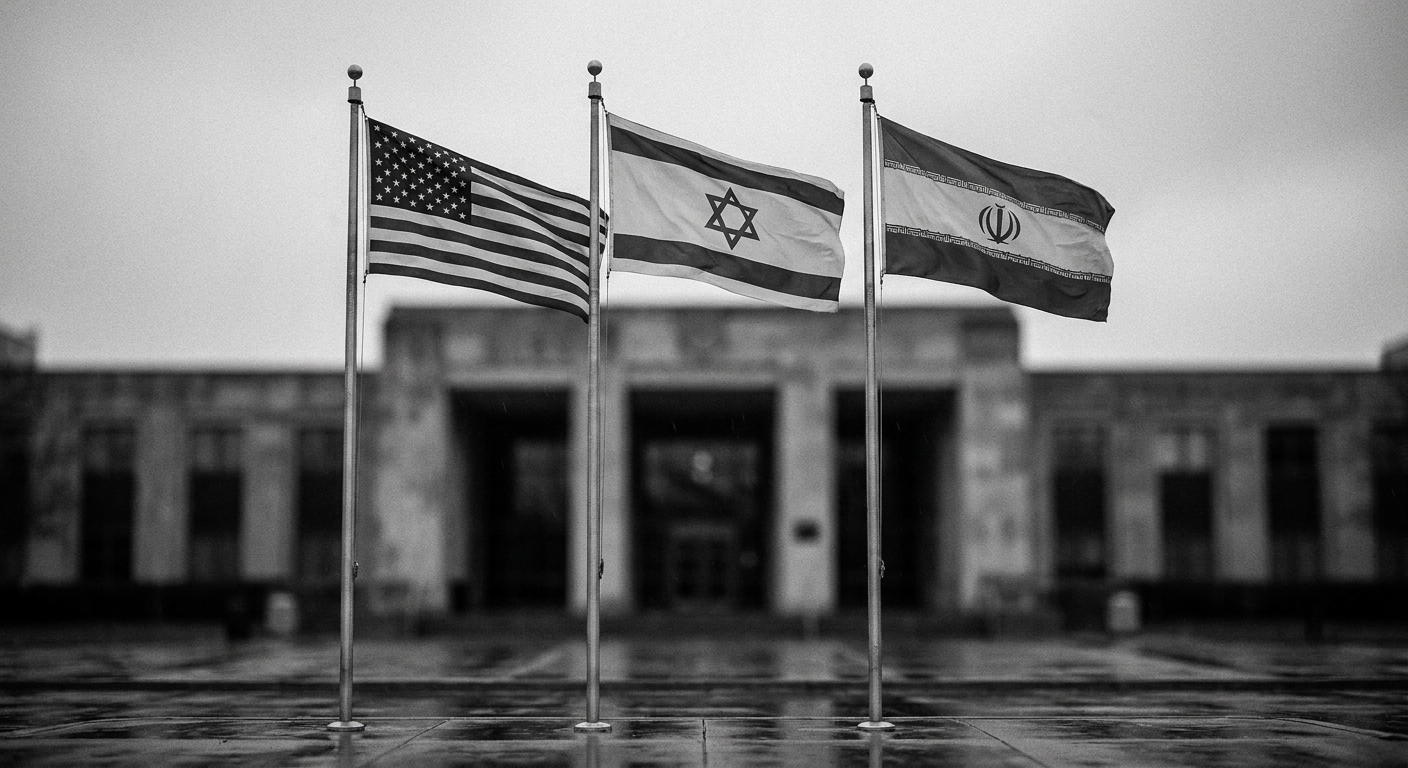
# Israel flags alleged Iran plot against Trump, testing US-Israel ties
Israel has reportedly passed intelligence to the United States warning of a new Iranian assassination plot targeting former US President Donald Trump, according to reports that cite anonymous officials. The allegation lands as US military action against Iran has resumed this week, adding another pressure point to an already tense set of discussions between Washington and Israeli Prime Minister Benjamin Netanyahu.
Because the reporting described in the signal relies
Because the reporting described in the signal relies on unnamed sources and no on-the-record confirmation is cited, the claim remains an allegation rather than an established fact. Iranian leaders have previously rejected accusations of plotting to assassinate US officials, but the signal does not include any fresh official Iranian response to this specific report.
US-Iran tensions have been shaped for years by the Trump administration’s “maximum pressure” campaign and the breakdown of the JCPOA (Joint Comprehensive Plan of Action), the 2015 nuclear deal that aimed to limit Iran’s nuclear program in return for sanctions relief. The rivalry sharpened further after the US killing of Iranian General Qasem Soleimani in January 2020; Tehran vowed retaliation, and US officials have repeatedly warned about ongoing threat streams tied to that episode.
Israel, which frames Iran as its primary strategic threat, has long pressed Washington for a harder line on Iran’s nuclear and regional posture. The US-Israel relationship, usually close, has also seen periodic strain over tactics and timing, including disagreements over how to manage escalation risks, how to coordinate military operations, and how directly to confront Iran and its regional partners. In regional security debates, Israel often points to the Islamic Revolutionary Guard Corps (IRGC) as a key node in Iran’s external operations, while Iran says it supports “resistance” groups as part of deterrence.
If US officials treat the intelligence as credible
An alleged assassination plot targeting a former US president touches the most sensitive rung of escalation: it shifts the dispute from proxy contests and regional strikes toward a direct personal-security issue that can force public US political alignment. If US officials treat the intelligence as credible, it could translate into stepped-up protective measures, fresh sanctions, or covert and overt responses that raise the risk of miscalculation.
The spillover risk would not be confined to US and Iranian channels. Wider regional stability is tightly linked to energy and shipping lanes, particularly the Strait of Hormuz and Bab al-Mandab, where heightened alert levels can lift insurance costs, disrupt shipping schedules, and feed oil-price volatility. Any widening confrontation also tests alliance management with Gulf partners in the GCC (Gulf Cooperation Council) and can alter the operating environment for US forces across the region, from air-defense posture to force protection at bases.
By 2026-09-30, watch for falsifiable signals: on-the-record statements from the US government, Israel’s government, or Iranian officials directly addressing the alleged plot; any formal US legal or sanctions action tied to named individuals or entities; and observable shifts in security posture around US interests and high-profile figures associated with the Trump administration. If credible official confirmation or evidence emerges, it would raise the likelihood of a sharper US or Israeli response against Iran; if the claim is publicly denied, quietly deprioritized, or no substantiation appears, this specific flashpoint may cool even as baseline US-Iran tensions remain high.