

Russian forces secure Nigerien base after Mutiny
Russian Africa Corps forces intervened to suppress a military mutiny in Niamey, highlighting the junta’s increasing reliance on Moscow for regime survival.
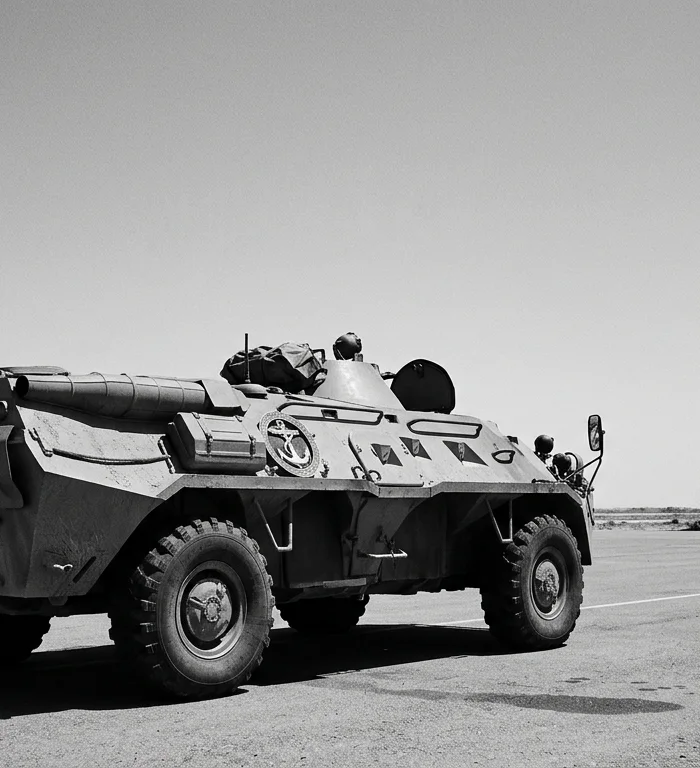
Russian Africa Corps personnel intervened to suppress a military mutiny at Air Base 101 in Niamey, Niger, over the past weekend. The operation, which involved 200 to 300 Russian troops, restored control to the ruling junta after fighting at the strategic facility.
This intervention marks a shift in the role of Russian forces in the Sahel, moving from counter-insurgency support to directly protecting military regimes. By securing the capital's airport, Moscow demonstrated its capacity to act as a guarantor for the junta led by General Abdourahamane Tiani, which seized power in July 2023. This development underscores the Nigerien government's growing reliance on Russian military assets for managing internal dissent.
Moscow's Expanding Role
The Africa Corps provides a political lifeline to the junta, yet the broader security situation remains volatile. Jihadist insurgencies linked to al-Qaeda and the Islamic State continue to operate in the Tillabéri and Dosso regions, despite the presence of Russian forces.
Analysts suggest Moscow’s commitment to the region is driven by transactional interests, specifically access to mineral resources like uranium, and the pursuit of diplomatic support in international forums. The integration of the Africa Corps under the Russian Ministry of Defence signals a long-term strategic commitment to maintaining these regimes against both external militants and internal military rivals.
Ongoing Security Challenges
The thwarted mutiny highlights longstanding grievances within Niger's military, with counter-insurgency forces reportedly feeling inadequately supported by the military government. Challenges include providing equipment and replenishments, according to analysts at Control Risks.
Russian Africa Corps
The Nigerien government faces threats from extremist militant groups attacking the state and from internal grievances within its own armed forces. While the Africa Corps helped contain the recent mutiny, it has yet to resolve the ongoing jihadist insurgency.
Implications for Regional Stability
The intervention underscores a new dynamic where Russian forces are increasingly becoming direct protectors of military governments in the Sahel. This could lead to increased stability for ruling juntas in the short term, but may also deepen reliance on foreign powers while domestic security challenges persist.
If the Africa Corps continues to secure military regimes, then internal dissent may be suppressed, but the underlying causes of instability, such as jihadist insurgencies and military grievances, are likely to remain unresolved. This dynamic could prompt other Sahelian governments facing similar threats to seek direct Russian military protection, expanding Moscow's influence in the region and potentially exacerbating geopolitical tensions.
More stories
- Eisenkot secures first coalition deal but lacks majority
- Germans oppose Ukraine aid as poll shows support slipping
- Kim Jong-un receives 10 envoys after constitutional shift
- Ukraine claims Libya strike sinks Russian naval corvette
- COP31 climate talks collapse over fossil fuels and funds
- Russian military faces 1,087 recorded suicides in Ukraine war
- UniCredit Commerzbank deal tests EU merger limits again
- U.S. payrolls rebound may face Haitian TPS drag in August
- India protest cases dropped as CJP cancels Sept. 5 march
- Putin envoy warns Russian economy may bend toward war needs
Latest news
- Global stocks fall 0.4% as tariffs and US inflation loom
- CIA hack affects unclassified data; scope remains unclear
- Trump prepares tariffs on China and other major exporters
- New-car buyers pay record average $50,087 in October
- Banks face ECB reserve debate over liquidity and profits
- Investors see Anthropic debut gains fade below $83 a share
- Iraq orders federal control over Kurdish-area oilfields