Iran-Russia Shahed drone link grows under sanctions
Iran-Russia Shahed drone cooperation is deepening under sanctions, with drones used in the thousands in Ukraine and wider Middle East and shipping risks.
Omar Farouk ·
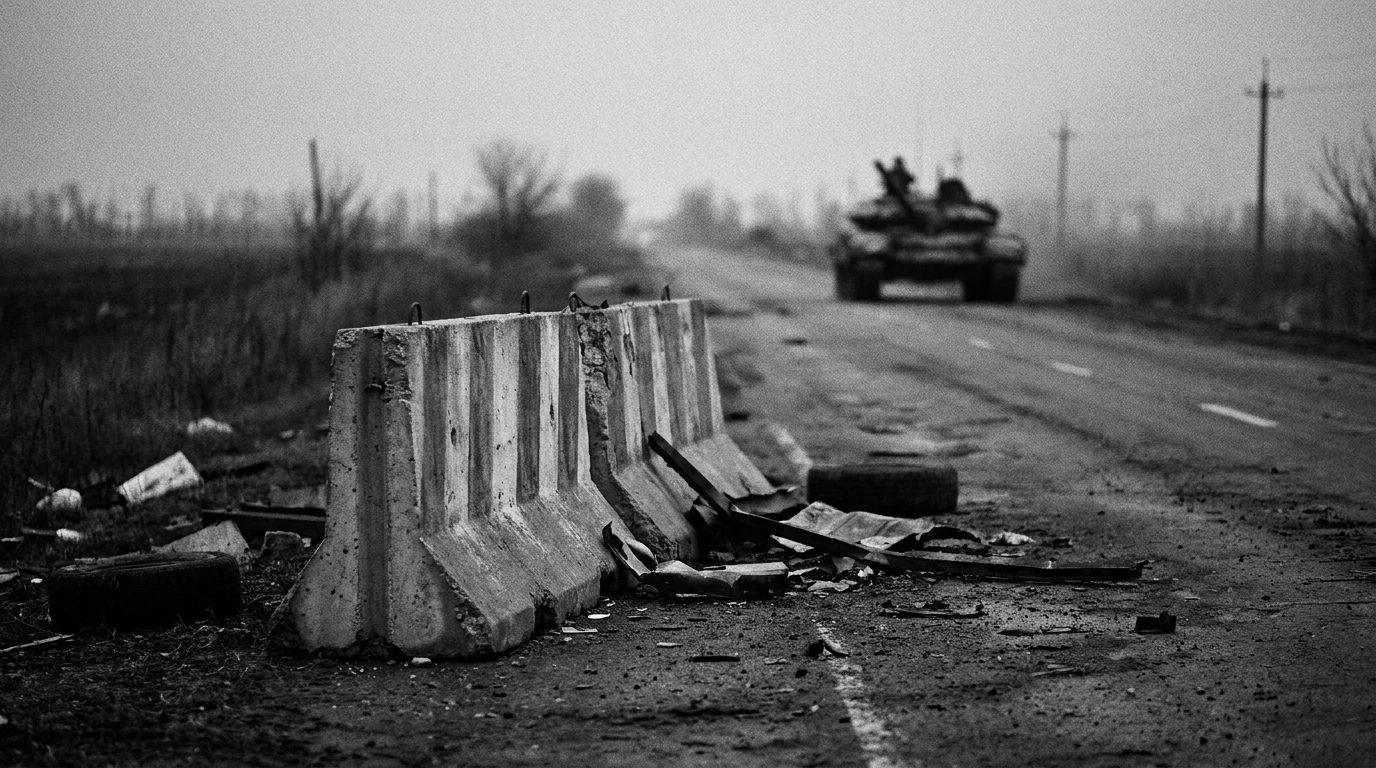
Iran’s military support for Russia, centered on transfers of Shahed drones used in strikes on Ukraine, has become a defining element of the Tehran–Moscow relationship as both face broad Western sanctions.
Officials and available reporting signals indicate the drones have been deployed at scale, with Russia using them in the thousands in attacks described as intended to terrorize Ukrainians. At the same time, the available signal does not show the Iranian-supplied systems have produced a decisive shift in Russia’s ability to win the war.
Shahed transfers and the practical exchange
Middle East
The drone pipeline highlights an exchange shaped by sanctions pressure and wartime needs. Iran is assessed to be providing a mass-produced capability that is relatively low-cost compared with high-end missiles, enabling large-volume strikes. In return, Russia is seen as offering benefits that could include diplomatic cover and potential access for Iran to technology, financing, or production expertise. The source material characterizes these as possible avenues rather than confirmed outcomes, underscoring that parts of the relationship remain opaque. A decade of expanding ties, with friction points Over roughly the past decade, Iran and Russia have widened contacts across defense, diplomacy, and trade while managing areas of overlap and tension. One cited point of friction is Syria, where both have influence and interests that can intersect in ways that require careful coordination.
Middle East
After 2014, as Moscow’s relationships with Western capitals worsened and sanctions intensified, Russia accelerated outreach to non-Western partners. Tehran, long under U.S. and European pressure, aligned naturally with a shared narrative focused on resisting Western dominance.
Middle East calculations and Gulf concerns
A tighter alignment can affect strategic planning across the Middle East by blending Russian reach in diplomacy and military technology with Iranian networks and asymmetric tools. For Gulf Arab states, the concern is framed less as an abstract bloc and more as day-to-day coordination that could pressure regional rivals or shape outcomes in Syria.
The source also points to implications for defense procurement and deterrence, where perceptions of coordination between Moscow and Tehran can influence how regional states weigh risks and partnerships.
Energy and shipping risk as global spillover
The potential for wider spillover runs through energy markets and maritime trade. If Iran is perceived as more confident due to stronger great-power backing, market sensitivity can rise around chokepoints such as the Strait of Hormuz and Bab al-Mandab.
Even absent direct action, the source notes that disruption fears in these corridors can quickly show up in higher insurance costs, freight premiums, and oil price volatility. It also says closer strategic messaging could reinforce a broader “sanctions-resistance” playbook that complicates Western efforts to isolate either country.
Signals to watch by 2024-08-31
By 2024-08-31, the source suggests monitoring for observable steps that either solidify the partnership or reveal its constraints. Examples include a joint statement on deeper defense-industry integration, new military exercises, or a new arms or technology-transfer deal.
It also points to public reactions from Gulf capitals as a key uncertainty: coordinated messaging would suggest the region sees Iran–Russia cooperation as more than a Ukraine-linked issue, while delays, diluted announcements, or public disagreements could indicate strain beneath the rhetoric.
Implications
Country Impact: The source frames the relationship as a major feature of Tehran–Moscow ties under sweeping Western sanctions, with the Shahed transfers central to that cooperation. It also notes uncertainty about the partnership’s limits, including whether it materially changes Russia’s trajectory in Ukraine.
Industry Impact: The drone transfers highlight how relatively inexpensive, mass-produced systems can be used at scale in modern conflict. The source also points to the possibility of deeper defense-industry integration or technology-transfer arrangements, while emphasizing that such steps remain to be observed.
Market Impact: The source links closer strategic messaging to heightened sensitivity around shipping chokepoints such as the Strait of Hormuz and Bab al-Mandab. It says even without direct action, perceived risk can raise insurance and freight costs and contribute to oil price volatility.