

Iran executes political dissident on charges of monarchist ties
Tehran has executed a Kerman resident linked to monarchist groups, signaling a hardening of its domestic security stance against external interference.
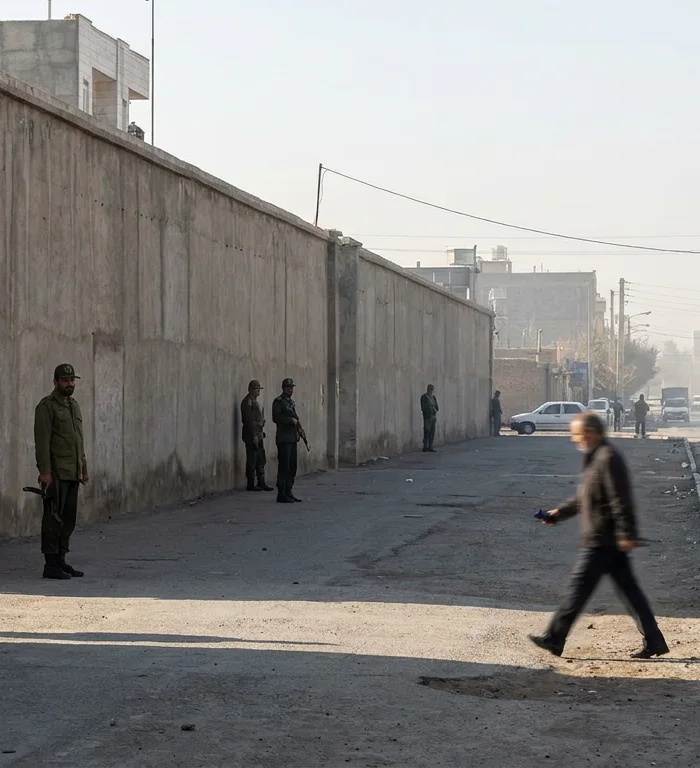
Tehran carries out death sentence in Kerman
Iranian authorities executed a man from the Kerman province after the country's Supreme Court upheld a death sentence issued by a local Revolutionary Court. State-affiliated reports indicated the individual had been convicted of supporting opposition monarchist groups and accused of maintaining ties to Israeli intelligence services.
The judicial move comes as the Islamic Republic increases its scrutiny of domestic political activities, framing such associations as critical national security threats. The Revolutionary Courts, which operate with significant autonomy in cases involving state security, have continued to prioritize the suppression of groups aligned with the Pahlavi dynasty.
Historical tensions and security crackdowns
The Iranian government has maintained a consistent adversarial posture toward monarchist figures since the 1979 revolution. The Pahlavi dynasty, led in exile by Reza Pahlavi, remains the primary focal point for state accusations of foreign-backed destabilization efforts against the current administration.
Kerman province serves as a significant node within the national security architecture, acting as both a strategic economic hub and a sensitive site for counter-intelligence operations. Recent months have seen a broadening of the state's definition of espionage, with the judiciary frequently leveling charges of collaboration with foreign intelligence agencies—specifically those of Israel—against activists and political dissidents.
Regional stability and diplomatic costs
This execution arrives at a moment of acute regional volatility, complicating the already limited channels of communication between Tehran and Western capitals. By emphasizing the threat of domestic sabotage, the administration signal to the international community that it views political dissent through a prism of total security, effectively raising the cost of any potential back-channel diplomacy.
Kerman Iranian
The move also underscores a broader strategy to deter internal opposition during periods of heightened tension. For external observers, the trajectory of these trials provides a metric for gauging the state's internal confidence: a preference for public trials and executions typically correlates with an increased focus on preventing potential domestic fracturing as regional escalations persist.
Monitoring the state's internal security trajectory
The primary benchmark for assessing Tehran's domestic security policy through the end of 2024 will be the frequency of high-profile treason trials or arrests targeting activists with links to monarchist factions. A sustained increase in state-media rhetoric linking these figures to cross-border sabotage would indicate a shift toward further entrenching the current security apparatus, whereas any shift toward commutations or judicial leniency would represent a marked change in internal policy.
More stories
- Germans oppose Ukraine aid as poll shows support slipping
- Kim Jong-un receives 10 envoys after constitutional shift
- Ukraine claims Libya strike sinks Russian naval corvette
- COP31 climate talks collapse over fossil fuels and funds
- Russian military faces 1,087 recorded suicides in Ukraine war
- US faces China, Russia in Africa minerals contest
- Iran changes Hormuz attack tactics, senior officials say
- Ethiopian troops reach Zalambessa border town, sources say
- August Hanning held in German treason case over BND files
- FCA whistleblower handling review puts new board in focus
Latest news
- Trump prepares tariffs on China and other major exporters
- New-car buyers pay record average $50,087 in October
- Banks face ECB reserve debate over liquidity and profits
- Investors see Anthropic debut gains fade below $83 a share
- Iraq orders federal control over Kurdish-area oilfields
- Nvidia shares retreat as AI rally cools before PCE data
- Macy’s parade faces balloon limits as storm winds approach