August Hanning held in German treason case over BND files
Former BND Chief August Hanning was detained in a German treason inquiry tied to about 2,000 BND documents, according to federal prosecutors.
Claire Dubois ·
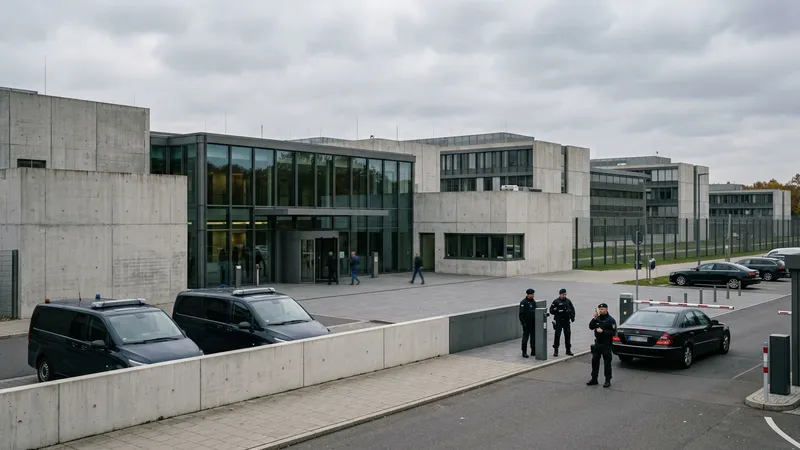
August Hanning was arrested in a German treason inquiry involving about 2,000 BND documents, prosecutors said. The case tests BND safeguards.
German police detained Hanning at his home in Steinfurt county, near the Dutch border, on Tuesday morning under an order from the federal prosecutor. The 80-year-old led the Bundesnachrichtendienst, Germany’s foreign intelligence agency known as the BND, from 1998 to 2005.
Steinfurt arrest widens into Bavaria
A second suspect, identified by police as Manfred D, was also taken into custody at his home in Bavaria on suspicion of aiding treason. He is a serving senior BND official, according to the account released by authorities.
Manfred D worked as Hanning’s chief of staff during Hanning’s seven-year tenure at the agency. He later served as chief of staff to BND chiefs from 2012 to 2026, a 14-year stretch that placed him close to the agency’s leadership.
The arrests create an unusual case for Germany’s security establishment: a past intelligence chief and a current senior official accused in the same alleged channel for classified material. Hanning did not immediately respond to a request for comment, according to the account provided.
Spring 2010 arrangement alleged
The federal prosecutor alleged that the two men reached an agreement in spring 2010 for Manfred D to pass intelligence material from the BND to Hanning in return for payment. The prosecutor said the documents were intended only for internal BND use, especially executive intelligence briefings.
Over the years, Manfred D allegedly supplied Hanning with about 2,000 documents, many of them classified, the prosecutor said. Authorities allege Hanning sought to use the material in private consulting services he had been offering after leaving the agency.
Prosecutors also said Hanning used information from allegedly stolen documents on one occasion to prepare a briefing for an officer of a foreign intelligence service. They further alleged that he passed information informally for years to an official at another foreign intelligence service with whom he had good relations.
Russia link not found
People described as familiar with the investigation said investigators had not found evidence tying the suspects to Russia. That point narrows one possible geopolitical reading of the case, but it does not reduce the seriousness of the treason suspicions described by prosecutors.
The inquiry centers on whether classified state information moved from an active intelligence official to a former agency chief and then into private or foreign channels. If prosecutors substantiate that sequence, the BND faces questions over document access, internal monitoring and post-service consulting by senior intelligence veterans.
Consulting work faces scrutiny
The case also places attention on the boundary between public intelligence service and private advisory work. If the alleged document flow is proven, allied services may seek stronger assurances on how shared intelligence is controlled inside German institutions.
If the evidence is narrower than prosecutors allege, the immediate effect may be confined to the two suspects and the specific records at issue. If it holds across the full set of about 2,000 documents, the consequences could extend to BND procedures, cooperation with partner services and the rules governing former officials who sell strategic advice.