India Ukraine peace efforts draw Delhi deeper into talks
India Ukraine peace efforts have moved into direct talks with Moscow and Kyiv, with Delhi focusing on shipping, grain, energy and non-attack options.
Mei Lin ·
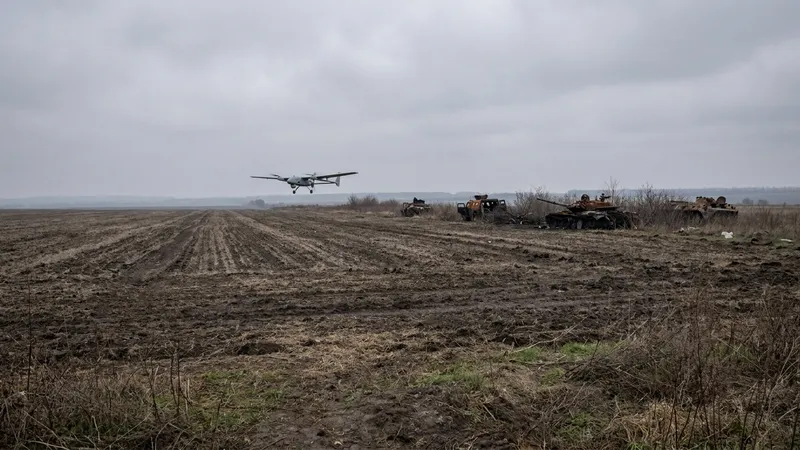
India Ukraine peace efforts have moved into direct talks with Russia and Ukraine over a war running since February 2022 and its export risks.
External Affairs Minister S Jaishankar said Sunday that Delhi had gone beyond public calls for dialogue and was now “a little bit more involved” in discussions with both sides. He spoke at the Munich Leaders’ Meeting in New Delhi, where he framed India’s role as an effort to be useful rather than to impose terms.
The comments followed a statement by Ukraine’s Foreign Minister Andrii Sybiha, who said days earlier that India had presented a broad proposal to end the war. Jaishankar did not describe the Indian contacts as a formal peace plan; he said the conversations were continuing and centered first on practical areas of concern.
Delhi widens its diplomatic lane
Jaishankar said India’s stated position remains that the conflict should end through dialogue, diplomacy and negotiations. The shift he described is in the method: India is no longer only advocating talks in public, but is speaking separately with Moscow and Kyiv on issues where both sides have immediate interests.
That framing allows Delhi to present itself as a channel rather than a mediator with a public blueprint. It also reflects India’s attempt to keep access to both capitals while avoiding language that would make either side treat its role as hostile.
Black Sea safety leads agenda
The first area Jaishankar named was safety of shipping in the Black Sea, a corridor tied to grain flows and wider trade exposure. He said India was also discussing grain exports, energy exports and possible non-attack arrangements, without giving terms, locations or timelines.
Those topics matter because they sit between military operations and commercial supply chains. If shipping and export talks create limited understandings, the immediate effect would be felt in trade routes and commodity flows rather than in a full political settlement.
Sybiha’s description of an Indian proposal points to Ukrainian interest in drawing Delhi more visibly into the diplomatic process. Jaishankar’s narrower wording keeps the Indian position more guarded, attributing its activity to ongoing conversations rather than to a finalized plan.
Russia ties shape Delhi’s room
Jaishankar also defended the historical basis of India’s relationship with Russia, saying ties with Moscow and the Soviet Union before it had been strong since the 1950s. He linked that relationship to moments when India saw its security and territorial integrity as being under pressure.
He said Russia had stood by India while much of the world supported a military regime next to it, an apparent reference to Cold War alignments in South Asia. At the same time, he said the relationship had widened and changed from the patterns of the 1970s and 1980s.
That history is central to Delhi’s balancing act. India is seeking a larger diplomatic role in Europe’s war while preserving a Russia relationship that remains politically sensitive and while maintaining working ties with Ukraine.
Export talks set near-term test
The next measure of India’s role will be whether the talks produce concrete language on Black Sea shipping, grain movement, energy exports or zones of non-attack. None of the parties has released detailed terms, and Jaishankar did not say whether Moscow and Kyiv had accepted any common framework.
If the discussions stay focused on shipping and exports, the global effect would be limited but practical: fewer disruptions around grain and energy cargoes would reduce pressure points in trade. For India, that path would support its claim to be a useful diplomatic actor without forcing a break with either side; for the wider commodity and shipping sectors, the mechanism would be clearer operating conditions in contested routes.
If the talks stall or become tied to broader ceasefire demands, the macro effect would be weaker and the conflict’s export risks would remain exposed to military developments. For Delhi, the cost would be reputational rather than immediate; for governments and companies dependent on Black Sea flows, the main uncertainty would remain whether any non-attack understanding can survive battlefield shifts.