

EU urges households to manage first 72 crisis hours
A University of Latvia survey cited by Euronews found only 8% feel prepared, with affordability and disability access limiting household readiness.
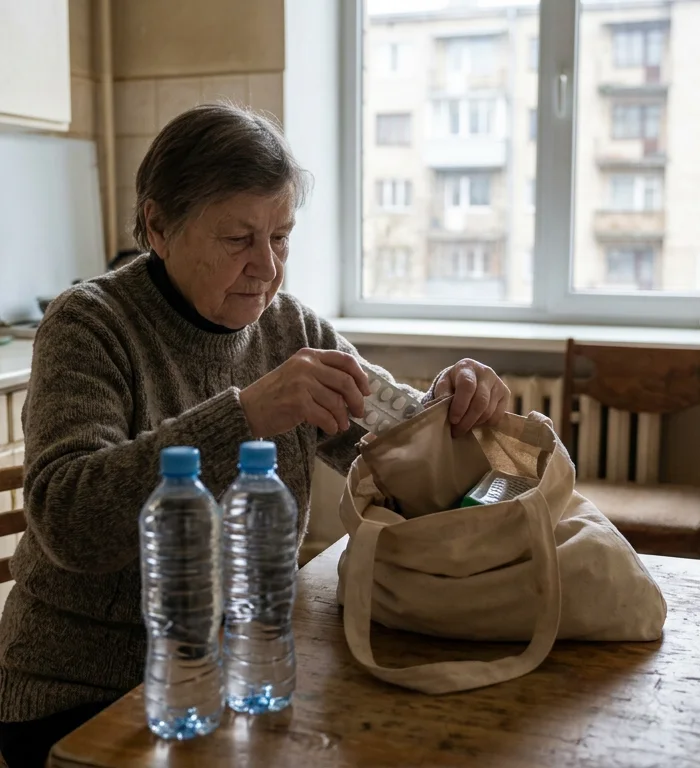
European Commission crisis guidance urges citizens to sustain themselves for the first 72 hours of an emergency, Euronews reported in an article published Nov. 19.
The gap between policy and household capacity is wide: the University of Latvia’s 2026 Baltic Individual Crisis Preparedness Barometer found 8% feel quite or completely prepared, while 44% plan improvements within six months.
The guidance points households toward food, water, cash, portable bags with medicines and documents, evacuation plans and basic skills such as first aid or cooking without power. It frames self-sufficiency as a buffer when cyberattacks, drone attacks or natural disasters disrupt infrastructure, transport or communications.
Hadja Lahbib, the EU commissioner for equality, preparedness and crisis management, told Euronews that the 72-hour standard matters because “it reduces the pressure on emergency services and allows them to focus on those most in need.” She said it “has become an internationally recognised benchmark for household emergency preparedness.”
The University of Latvia survey covered residents in 10 European cities across eight Northern and Eastern EU countries, plus Iceland and Norway. Euronews reported that at least half of residents in every surveyed city feel unprepared today.
Dr. Ieva Birka, the Barometer’s lead researcher, told Euronews that public attention has not translated into supplies at home. “Preparedness has never been talked about more: there are national brochures, EU guidance and constant media coverage. Yet households’ actual material preparedness is not moving,” she said.
The survey found 31% have enough drinking water at home for at least 72 hours, compared with 25% at work. It also found 50% believe they have sufficient cash, 71% believe they have enough food, 73% have first-aid supplies and 38% have a battery-powered AM/FM radio.
Affordability is a central constraint. Birka told Euronews that a family of four needs 36 litres of water for three days, non-perishable food, a battery radio, first-aid supplies, medicines and cash. She estimated those basics cost about €100 to €150 in Baltic capitals, while a fuller kit with sleeping bags and tents can exceed €300.
About 30% of respondents said they need financial assistance to prepare. Birka said help should be targeted, suggesting vouchers or ready-made kits for low-income households through municipalities and social services.
Lahbib told Euronews the Commission has launched a behavioural study on preparedness among low-income groups, with results expected next year. The article did not give a specific release date.
The barriers extend beyond money. A 2026 European Disability Forum report, citing UN data, said 91% of people with disabilities in Europe lack a personal disaster plan, 43% cannot evacuate without help and only 10% receive risk information in formats such as braille or sign language.
Birka said self-sufficiency for people with disabilities or assistive-device needs often depends on carers and support networks. She called for national and municipal emergency plans to include voluntary registers, backup power for medical and assistive devices, and accessible evacuation.
More stories
- South Africa recycles 301,000 tonnes of plastic waste
- Iraq hits suspected ISIS sites with 2 strikes after US exit
- Kenya construction regulators face scrutiny after 84 collapses
- Africa faces COP31 power goal with 560m lacking electricity
- Thailand orders 3,000 waste-plant inspections after floods
- Russian man faces 15 years over alleged Palantir spying
- BN-PN takes 24 of 28 Melaka seats
- Randrianirina faces power-consolidation claims after 1 year
- Refinery attacks put Russia's diesel export plans in focus
Latest news
- 30-year mortgage APR falls 8bp to 7.19%
- Vehicle service contracts can cost several thousand dollars a year
- Tumaini trial to test 2 Bundibugyo Ebola vaccines in DRC
- Iran caps subsidized bread at 8kg a month in three provinces
- Jeff Buckley track tops 500,000 TikTok uses this year
- Singapore charges 2 men over 19 deregistered vehicles
- Southwest charged 275,000 points for cardholder Maui trip