FCA whistleblower handling review puts new board in focus
The FCA opened a review of its handling of whistleblower Simon Andriesz after his death, as lawmakers pressed for independent scrutiny.
Matteo Ricci ·
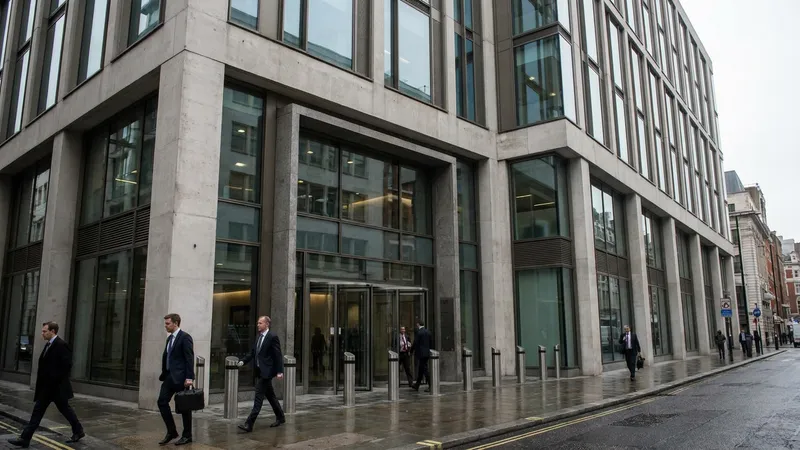
The FCA whistleblower review of Simon Andriesz’s case will examine staff contact with the banker after his death at 57 last month.
Paterson takes the FCA file
The Financial Conduct Authority said Lea Paterson, a newly appointed non-executive director on its board, will review how the regulator dealt with Andriesz. The decision follows criticism over the FCA’s earlier handling of his status and concerns.
Andriesz died late last month, the Transparency Task Force, a campaign group of which he was a member, confirmed over the weekend. The banker had been living in Cornwall and had spent years pressing regulators and authorities over allegations tied to his former employer.
“We are very sorry to hear of Mr Andriesz’s death,” an FCA spokesperson said. The spokesperson said Paterson had been asked “to review how we interacted with Mr Andriesz to learn any lessons for the future.”
Allegations reached Epstein records
Andriesz previously worked as a managing director at BGC Group, the financial brokerage where Howard Lutnick had served as chief executive. He alleged accounting irregularities at BGC, which he raised internally in 2016, one year before he was fired.
His complaints later widened to alleged undisclosed business ties between Lutnick and Jeffrey Epstein, the late sex offender. Andriesz later found an email chain in Epstein-related records that suggested Lutnick and Epstein discussed a startup business in 2018.
Epstein died in jail in August 2019 while awaiting trial on sex-trafficking charges. Lutnick has not been accused of wrongdoing in relation to Epstein, and he has denied having a “personal or professional relationship” with him.
President Trump named Lutnick commerce secretary in late 2024. Lutnick has also said: “I unequivocally condemn the conduct attributed to Jeffrey Epstein and everyone who participated in his illegal activities. The survivors of his crimes deserve our respect and support.”
Lawmakers challenge internal scrutiny
The FCA had earlier apologized to Andriesz after wrongly telling him that he did not qualify for whistleblower protection because his identity had become known. The regulator said further guidance and training would be provided to its whistleblowing team.
The all-party parliamentary group on investment fraud and fairer financial services said the FCA should not be allowed to “mark its own homework.” The group called for an independent party to evaluate the regulator’s treatment of whistleblowers with forensic and objective scrutiny.
John McDonnell, the Labour MP who chairs the group, said a “truly independent and non-conflicted organisation” should carry out the work. He said the group could seek evidence from whistleblowers who had dealt with the FCA if the regulator did not respond positively.
BGC said it had “long disputed Mr Andriesz’s allegations” and did not intend to revisit them after his death. The company said it was sorry to hear the news and expressed condolences to Andriesz’s family.
Trust test for financial oversight
If Paterson’s review produces detailed findings and changes to FCA practice, the macro effect would be indirect: stronger whistleblower confidence can improve market supervision over time. For BGC, that path could limit renewed attention to old allegations; for the financial services sector, it would make whistleblower handling a governance issue.
If lawmakers conclude the internal review is inadequate, parliamentary pressure could pull the FCA into a wider inquiry. That would have little immediate effect on global growth or rates, but it could affect the regulator’s credibility, keep BGC’s historical dispute in public view and push brokers, banks and asset managers to revisit internal escalation procedures.
If the review stays narrow, the central uncertainty will be whether whistleblowers believe the FCA has changed its approach. The next test is not only Paterson’s conclusions, but whether the regulator gives complainants a clearer route to protection before disputes become public and personal.