Western Nations Impose Targeted Sanctions on West Bank Settlers
A Western coalition, led by the UK and Canada, has banned imports from West Bank settlements, marking a policy shift amid rising regional tensions.
Atlas Newsdesk ·
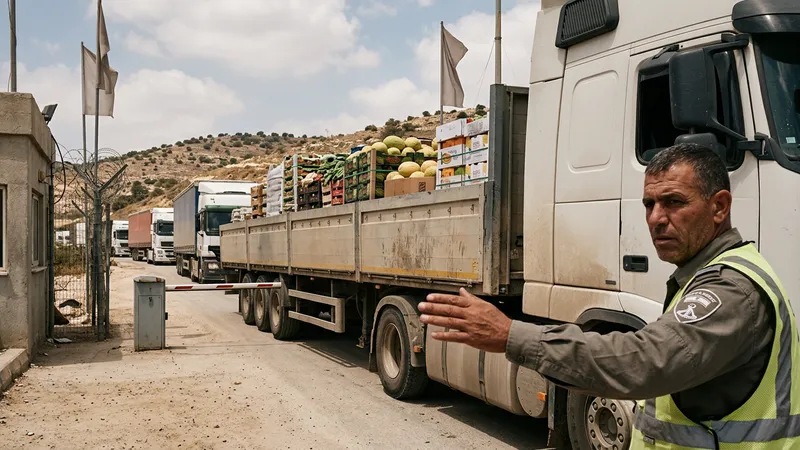
A coalition of Western nations, spearheaded by the United Kingdom and Canada, has initiated a ban on imports originating from West Bank settlements. This diplomatic action, which includes eleven European countries, signals a notable shift in Western foreign policy and highlights a growing diplomatic divergence between Israel and several of its long-standing allies.
The coordinated measure follows a period characterized by perceived U.S. inaction regarding settlement expansion and an increase in regional violence. European powers are demonstrating an increased readiness to pursue independent policy initiatives concerning Palestinian self-determination, particularly where U.S. diplomatic engagement appears to be less prominent.
Israeli Response Targets United Kingdom
In direct response to these sanctions, Israel has implemented specific retaliatory measures aimed at the United Kingdom. These actions include the expulsion of British representatives from the Gaza support center and the imposition of restrictions on British participation in Palestinian security training programs.
Jerusalem's moves are interpreted as a strategic effort to isolate the British government, portraying it as the primary driver behind the recent sanctions. This diplomatic friction underscores significant challenges to the established frameworks for regional peace negotiations.
U.S. Congressional Initiatives
Concurrently, legislative efforts are advancing within the U.S. Senate to propose sanctions against entities involved in the E1 project. This development indicates that domestic political pressures in Washington might increasingly align with the policy positions adopted by European nations regarding settlements.
This evolving dynamic presents a challenge to Israel's long-standing diplomatic status with its Western partners. The shift implies a potential for further coordinated international actions concerning the geopolitical landscape of the region.