

Hormuz Strait shut down again after brief reopening
Iran recloses the Strait of Hormuz on April 18, 2026, citing U.S. port blockades, after a brief reopening following a 10-day ceasefire.
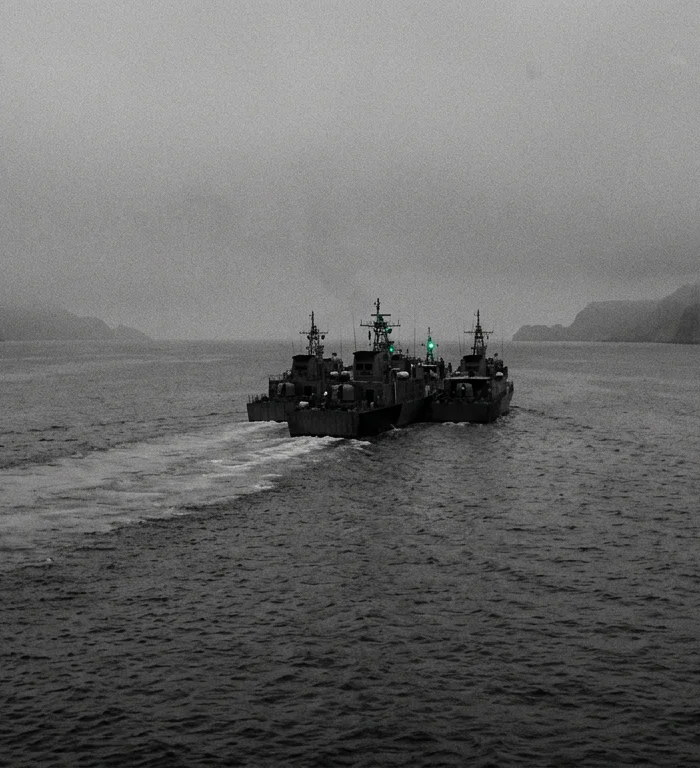
Iran reclosed the Strait of Hormuz on April 18, 2026 , saying the move was a response to continued U.S. blockades of Iranian ports. The decision came only hours after a short-lived reopening of the waterway, which is described as handling 20 percent of global oil flows. The rapid shift left shipping operators facing renewed uncertainty over whether transits could proceed safely and consistently.
The brief reopening followed a U.S.-mediated 10-day ceasefire between Israel and Lebanon, according to reports in the source material. After the closure was reinstated, the Islamic Revolutionary Guard Corps (IRGC) said control of the strait had returned to its previous state. The IRGC described the U.S. port blockades as acts of piracy and said the strait would remain tightly controlled until the U.S. restored full freedom of navigation for Iranian vessels.
Reports also emerged of Iranian gunboats firing at a merchant vessel that was attempting to cross. The source material did not provide details on damage, casualties, or the vessel’s identity. Even without those specifics, the reported incident added to the operational risk picture for commercial shipping and insurers assessing passage through the corridor.
By 10:30 GMT on Saturday, the source material said some oil and gas tankers had managed to transit, while an equal number reportedly turned back. That split outcome underscored the unstable conditions for maritime traffic, with shipowners and charterers forced to make route decisions amid changing signals on access and enforcement. The fluctuating status of the strait was described as creating uncertainty for maritime movements.
The development also contrasted with U.S. President Donald Trump’s earlier optimism about a peace deal to end the U.S.-Israel conflict with Iran, which he had said was “very close.” The source material did not specify when those remarks were made or provide additional detail on the state of negotiations. The gap between that stated optimism and the renewed closure highlighted the fragile and fast-moving nature of the situation around the waterway.
More stories
- Bardella denies antisemitism claims over teenage messages
- Washington targets China in new tariff push on trade ties
- Eisenkot secures first coalition deal but lacks majority
- Germans oppose Ukraine aid as poll shows support slipping
- Kim Jong-un receives 10 envoys after constitutional shift
- Ukraine claims Libya strike sinks Russian naval corvette
- Iran broadens ceasefire focus to include Lebanon
- Iran, Pakistan Military Chief Meet as U.S. Pushes for New Talks
Latest news
- Retailers rethink Black Friday as discount fatigue grows
- Japan data centers face lawsuits over residential sites
- S&P puts Nvidia credit rating on watch over board concerns
- Musk pledges two SpaceX shares per child in new US giveaway
- Morocco targets 2030 World Cup final with new stadium bid
- Barclays puts AI bust risk at center of US growth debate
- US inflation reaches 3.8% before December Fed rate meeting
- Türkiye Desk: GTA 6 drains UK mobile spend as Turkish studios feel pressure