Iran, Pakistan Military Chief Meet as U.S. Pushes for New Talks
Iran & Pakistan military chiefs meet in Tehran to revive stalled U.S.-Iran negotiations. Pakistan acts as intermediary. Cautious optimism for progress.
Lauren Collins ·
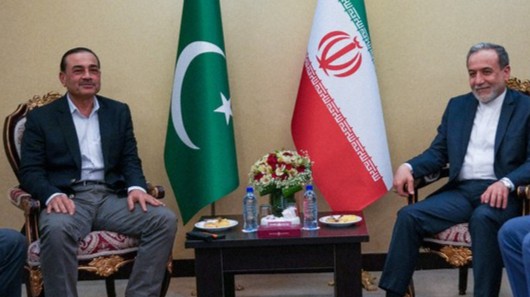
Iranian officials are set to meet Pakistan’s army chief in Tehran on Thursday, in a renewed push to revive negotiations with the United States after earlier talks stalled. The meeting centers on messages exchanged between Tehran and Washington, with Pakistan continuing its role as a key intermediary.
Diplomacy resumes after stalled talks The latest effort follows high-level negotiations in Islamabad earlier this month that ran for 21 hours without producing an agreement. Those talks, the first direct engagement between U.S. and Iranian officials in decades, ended with both sides far apart on core issues such as Iran’s nuclear program and regional security demands.
Pakistan’s role as broker Pakistan has emerged as a central channel between the two sides, with military and political leaders actively shuttling between capitals. The army chief’s visit to Tehran reflects an attempt to keep dialogue alive and translate indirect exchanges into a more concrete negotiating framework.
Signals from Washington The White House has struck a cautiously optimistic tone, indicating that progress is being made even as key disagreements remain unresolved. Officials have suggested a second round of talks could take place in Pakistan, potentially building on earlier discussions that failed to yield a breakthrough but established a negotiating structure.
Fragile ceasefire backdrop The diplomatic push comes against the backdrop of a temporary ceasefire that remains uncertain. Both sides continue indirect communication, but there is no agreement yet on extending the truce or finalizing terms for a broader settlement. The risk of renewed conflict remains high if negotiations falter.
Strategic stakes for all parties For the U.S., a deal would ease pressure on global energy markets and reduce the risk of further escalation in the Middle East. Iran, facing economic strain from sanctions and disrupted oil exports, has incentives to negotiate but continues to press for relief measures and security guarantees. Pakistan, meanwhile, is positioning itself as a regional power broker capable of facilitating dialogue between adversaries.
What to watch next The immediate question is whether the Tehran meeting can narrow gaps enough to justify another formal round of talks. A breakthrough would likely extend the ceasefire and open the door to a broader agreement. Failure, however, could push both sides back toward confrontation, with implications for global oil supply, regional stability, and U.S. foreign policy ahead of a volatile election cycle.