

Iran Seizes ships after US oil tanker capture
Iran seizes two foreign vessels on April 24, 2026 after the U.S. captured the Iranian-flagged Touska amid a blockade near Hormuz.
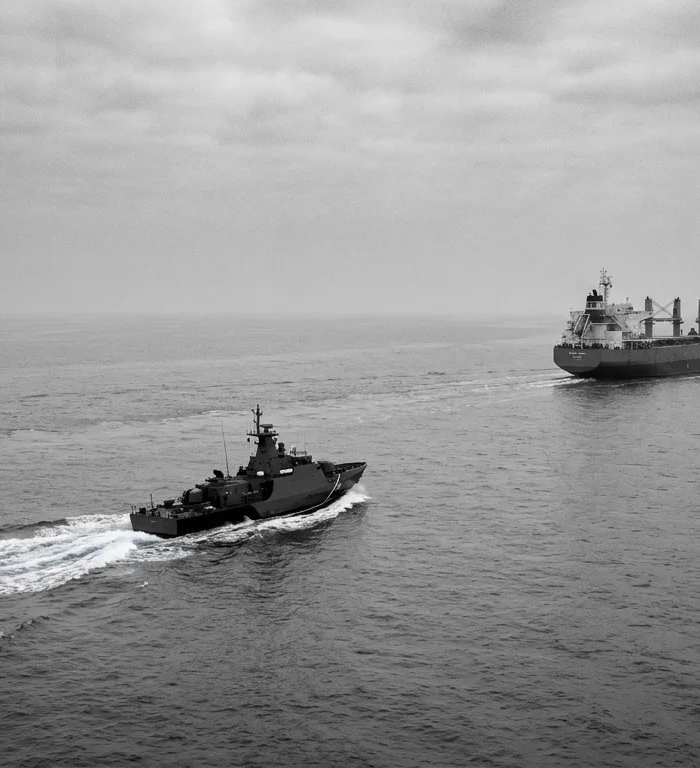
Iran seized two foreign commercial vessels on Wednesday, April 24, 2026, and moved them toward its coastline, according to the account provided. The seizures were described as a response to the United States capturing an Iranian tanker near the Strait of Hormuz earlier in the week, in a further rise in maritime friction in the area.
The episode comes as the U.S. military continues enforcing a naval blockade on Iranian ports that began on April 13. Officials described the latest actions as an escalation in regional shipping tensions, with the Strait of Hormuz again at the center of competing claims and enforcement moves.
U.S. Central Command (CENTCOM) said that on Monday, April 22, U.S. forces seized the Iranian-flagged container ship Touska after it tried to cross from the Arabian Sea into the Gulf of Oman and then transit the Strait of Hormuz toward Bandar Abbas. CENTCOM said the ship was attempting to bypass the blockade. The account said U.S. forces issued repeated warnings over a six-hour period before firing on the vessel and then boarding it.
Iran characterized the U.S. seizure of the Touska as an “act of piracy,” according to the information provided. Separately, Iranian state media said the two foreign tankers taken by Iran had breached maritime regulations, without further detail in the material provided. The competing descriptions underscore that key elements—such as the specific alleged violations tied to the foreign vessels—remain unclear based on the available account.
The seizures also sit within a broader run of U.S.-Iran confrontations at sea described in the source material. On March 4, a U.S. submarine sank the Iranian warship IRIS Dena , with 87 confirmed deaths and 61 crew members listed as missing. That incident, combined with the blockade and the latest ship seizures, reflects a sharp deterioration in maritime security conditions around one of the world’s most strategically sensitive waterways.
Iran’s Islamic Revolutionary Guard Corps (IRGC) has previously asserted authority over traffic through the Strait of Hormuz, saying vessels require its permission and coordination to pass. Against that backdrop, the latest actions by both sides raise immediate operational questions for commercial shipping, insurers, and governments monitoring the safety of transit routes in and around the Gulf, even as the precise legal and enforcement claims remain contested in the statements cited.
More stories
- Bardella denies antisemitism claims over teenage messages
- Washington targets China in new tariff push on trade ties
- Eisenkot secures first coalition deal but lacks majority
- Germans oppose Ukraine aid as poll shows support slipping
- Kim Jong-un receives 10 envoys after constitutional shift
- Ukraine claims Libya strike sinks Russian naval corvette
- Gold Prices Rebound on U.S.-Iran Ceasefire Extension
- Iran Seizes Two Cargo Ships in Strait of Hormuz After Trump Extends Ceasefire
Latest news
- Retailers rethink Black Friday as discount fatigue grows
- Japan data centers face lawsuits over residential sites
- S&P puts Nvidia credit rating on watch over board concerns
- Musk pledges two SpaceX shares per child in new US giveaway
- Morocco targets 2030 World Cup final with new stadium bid
- Barclays puts AI bust risk at center of US growth debate
- US inflation reaches 3.8% before December Fed rate meeting
- Türkiye Desk: GTA 6 drains UK mobile spend as Turkish studios feel pressure