Iran calls Strait of Hormuz a ‘red line’ as U.S. forces step up Gulf posture
Iran warned the Strait of Hormuz is an inviolable “red line,” tying its stance to what it described as a growing U.S.
Omar Farouk ·
# Iran calls Strait of Hormuz a ‘red line’ as U.S. forces step up Gulf posture
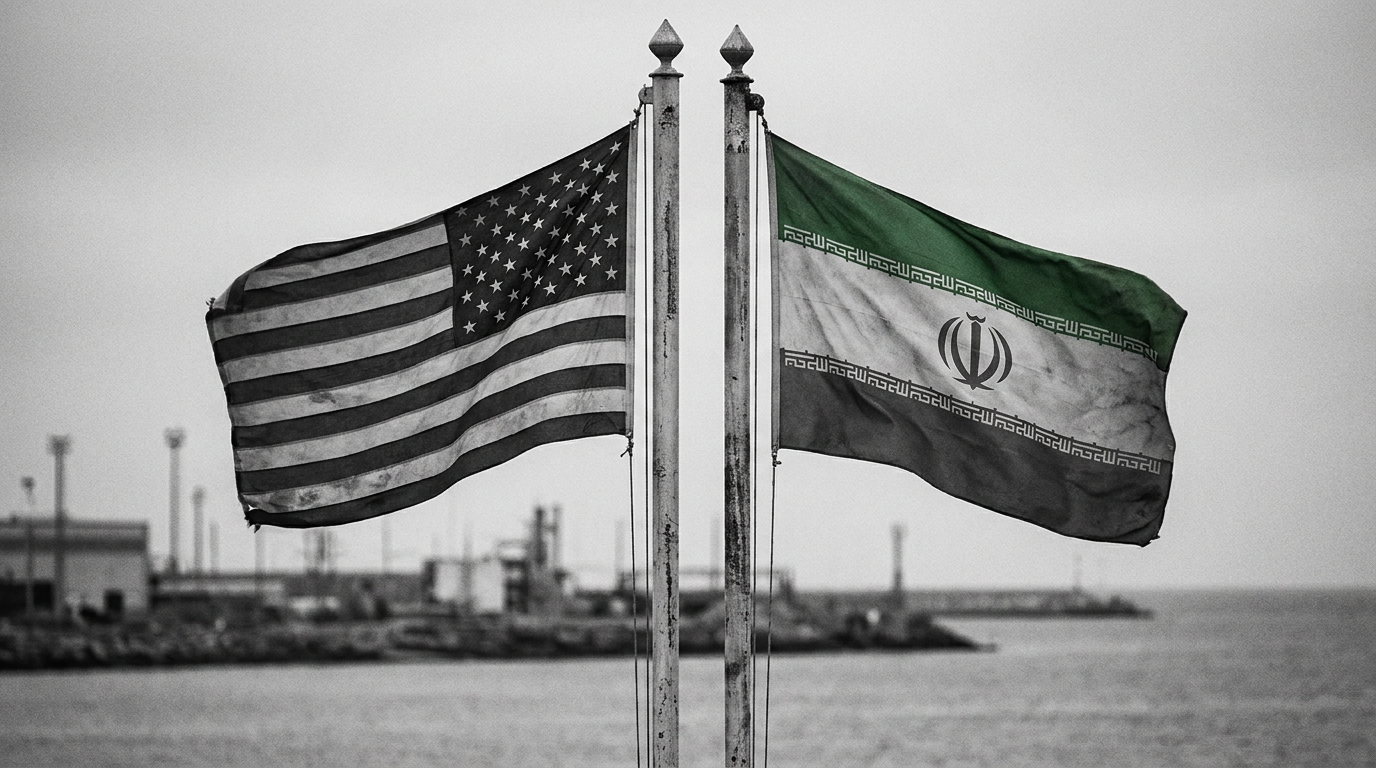
Iran said the Strait of Hormuz was an inviolable “red line,” warning it would resist what it described as U.S. aggression as American forces increase their presence in the Gulf. The statement, issued Thursday, sharpens a familiar flashpoint into a more explicit deterrent message at a moment when regional tensions are already pushing shipping security back to the top of the agenda.
Arabian Sea
The waterway is the narrow maritime choke point linking the Gulf to the Gulf of Oman and the Arabian Sea. Any escalation around it can rapidly spill over into energy markets, insurance pricing, and the operating decisions of commercial shipping lines.
The U.S. and Iran have repeatedly confronted each other in and around the Gulf in recent years, with episodes ranging from the seizure or attempted seizure of vessels to drone-related incidents and close naval encounters. Iran’s Islamic Revolutionary Guard Corps (IRGC), the country’s powerful military force with a major role in maritime security in Gulf waters, has often been central to these episodes and to Tehran’s messaging about deterrence.
Iran has periodically threatened to close or disrupt the Strait of Hormuz, framing the waterway as a sovereign security interest and a lever in times of pressure, including under international sanctions. Those sanctions have constrained Iran’s economy and external trade, and Tehran has at times argued it should not be the only party paying the cost of restrictions on its exports and access to the financial system.
Arabian Sea
The Strait of Hormuz sits at the heart of the Gulf’s energy export system and is a key route for crude oil and other cargoes moving from Gulf producers to global markets. Even without a closure, heightened military friction can translate into risk premiums: shipowners may demand higher rates, insurers can raise war-risk coverage costs, and energy traders can price in the possibility of disruption.
The warning also lands in a region where maritime chokepoints have become strategic pressure points well beyond the Gulf itself. When tensions rise in one corridor, commercial operators reassess routes across others, including the Bab al-Mandab near Yemen, which feeds into the Red Sea and the Suez Canal route. For U.S. partners in the Gulf and for energy-importing states farther afield, the immediate concern is not only a single incident at sea but also the cumulative effect of sustained brinkmanship on supply security and alliance commitments.
By 2024-10-15, watch for observable signs of escalation or restraint: any publicly acknowledged direct naval encounter or aggressive maneuver between Iranian forces, including the IRGC, and U.S. forces in or near the Strait of Hormuz; and any formal statements from the IRGC or the U.S. Fifth Fleet that indicate a change in rules of engagement or patrol posture. If no direct confrontation occurs but the rhetoric remains elevated, that would point to an extended standoff with persistent shipping risk. If a naval incident triggers direct conflict, or if both sides sharply lower their public threat levels alongside visible operational de-escalation, the risk outlook would shift materially in either direction.