US-Iran deal talks hinge on IAEA access, asset limits
The US-Iran deal talks advanced in Switzerland, but Iran has not confirmed IAEA site visits or US demands on how unfrozen assets would be spent.
Lauren Collins ·
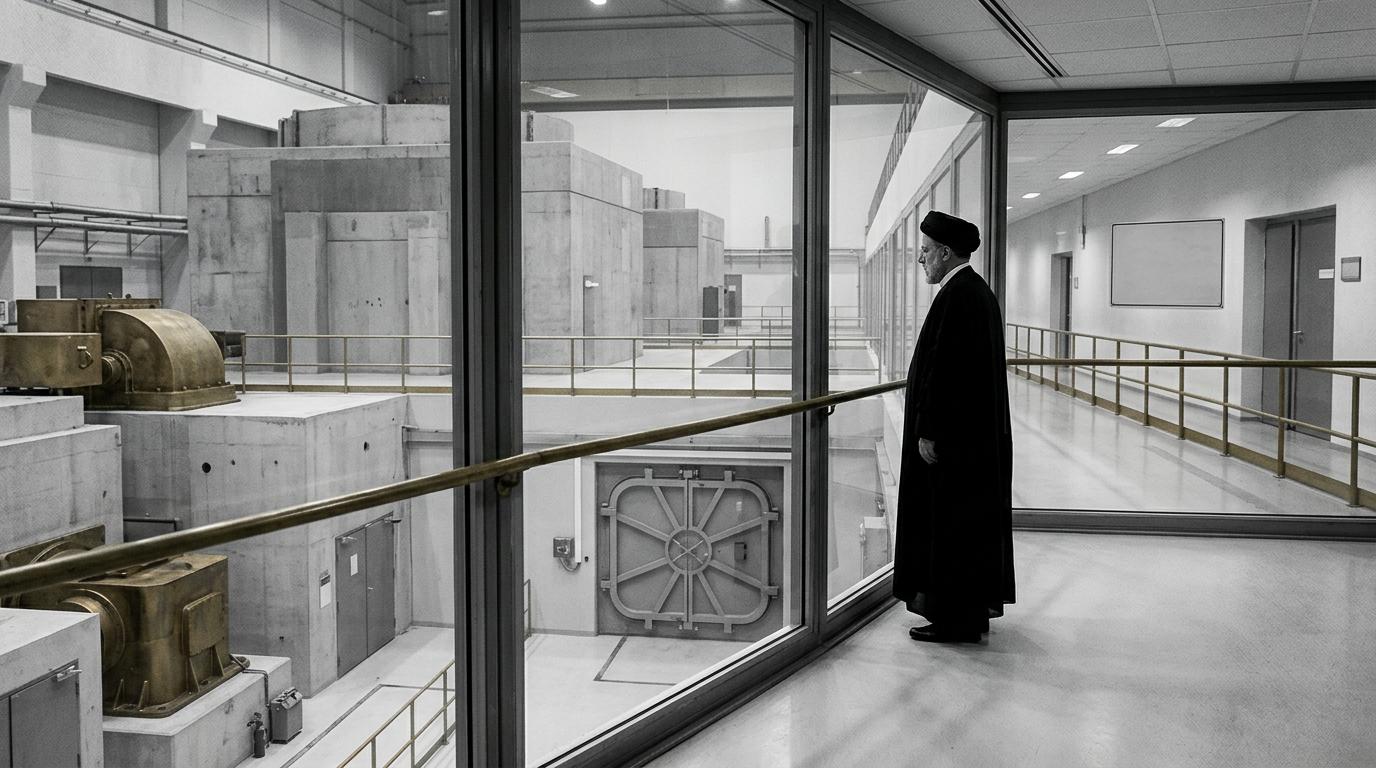
The US-Iran deal moved forward in Swiss negotiations, US officials said, but Iran has not publicly affirmed two US-claimed commitments: near-term IAEA inspections and limits on how unfrozen funds are used.
Vice President JD Vance, departing Switzerland on Monday, described what he cast as meaningful progress and said Tehran had accepted International Atomic Energy Agency access to key nuclear facilities “this week.” Iran has not confirmed that timeline, leaving a central verification point unresolved in public.
Vance also said the United States is pressing to “ensure” Iran directs any assets that become available—after being unfrozen—to purchases of American agricultural goods. President Donald Trump later repeated that position, underscoring that the White House is linking sanctions relief to specific spending behavior.
Two US demands, and Iran’s public silence
IAEA inspections sit at the core of how any nuclear-related understanding is typically policed, because inspectors provide independent reporting on activities and access at declared sites. By emphasizing visits “this week,” Vance pointed to urgency, and to a US interest in showing early proof that any arrangement is enforceable.
Iran, however, has not publicly echoed the claim, which matters because the agency’s work requires cooperation on logistics and permissions. Without Tehran’s confirmation, the timeline remains a US assertion rather than a shared benchmark.
The second point—steering unfrozen assets toward American farm products—highlights the domestic politics of sanctions relief. For the administration, it offers a way to frame economic openings as a direct benefit for US producers, while also attempting to constrain Tehran’s flexibility in how it allocates money.
Iran has not endorsed that condition in public either. The absence of a matching statement from Tehran leaves unclear whether such a requirement is an agreed term, an opening bid, or a message aimed at US audiences.
Iran’s emphasis: oil sanctions relief and Lebanon mechanism
Iran’s foreign minister focused instead on the Trump administration’s decision to temporarily lift oil sanctions. That public praise signaled what Tehran wants voters and regional partners to see: concrete economic relief and the ability to sell oil without immediate penalty.
The foreign minister also highlighted a Lebanon “deconfliction cell,” a term that suggests a communications channel meant to prevent clashes or miscalculations. Notably, the reference appeared to omit Israel, a detail that could complicate efforts to tie the Iran file to parallel de-escalation tracks along the Israel-Lebanon front.
That omission matters because Israel is a central party to the region’s security architecture and to the dynamics around Hezbollah in Lebanon. A mechanism that does not clearly incorporate Israel could be read as incomplete for the purpose it claims to serve, even if it is useful to other participants.
Rubio heads to the Middle East as ceasefire talks continue
Secretary of State Marco Rubio is scheduled to travel to the Middle East on Tuesday to discuss the Iran agreement. His trip adds a diplomatic layer that can test whether reported understandings in Switzerland translate into commitments that US allies and regional governments can accept.
Rubio has also emphasized ongoing discussions connected to the Israel-Lebanon ceasefire. That agenda suggests the administration is treating the US-Iran deal and the Lebanon file as intertwined—at least politically—because each shapes regional risk and the credibility of US commitments.
For Washington, the potential winners of a tighter inspection regime include nonproliferation advocates and partners seeking reassurance that Iran’s nuclear activities will be monitored. US agricultural interests could also gain if any sanctions relief is coupled to purchases that flow back into US markets.
Iran, if it secures sustained oil-sanctions reprieves, would stand to gain immediate revenue and breathing room at home. But Tehran could resist being seen as accepting conditions that constrain sovereign spending decisions, particularly if those terms appear tailored for US domestic optics.
The next signals are likely to come quickly: whether IAEA access is confirmed on the timeline Vance cited, and whether Iran publicly acknowledges any constraints on how unfrozen assets are used. Rubio’s meetings in the region will also indicate whether the administration can keep the Iran track moving while managing fragile ceasefire discussions along the Israel-Lebanon border.