Meloni-Trump tensions rise over 'begged' photo remark
A Meloni-Trump spat escalated after Trump said she “begged” for a G7 photo, prompting Rome to denounce the claim and cancel a key U.S. visit.
Claire Dubois ·
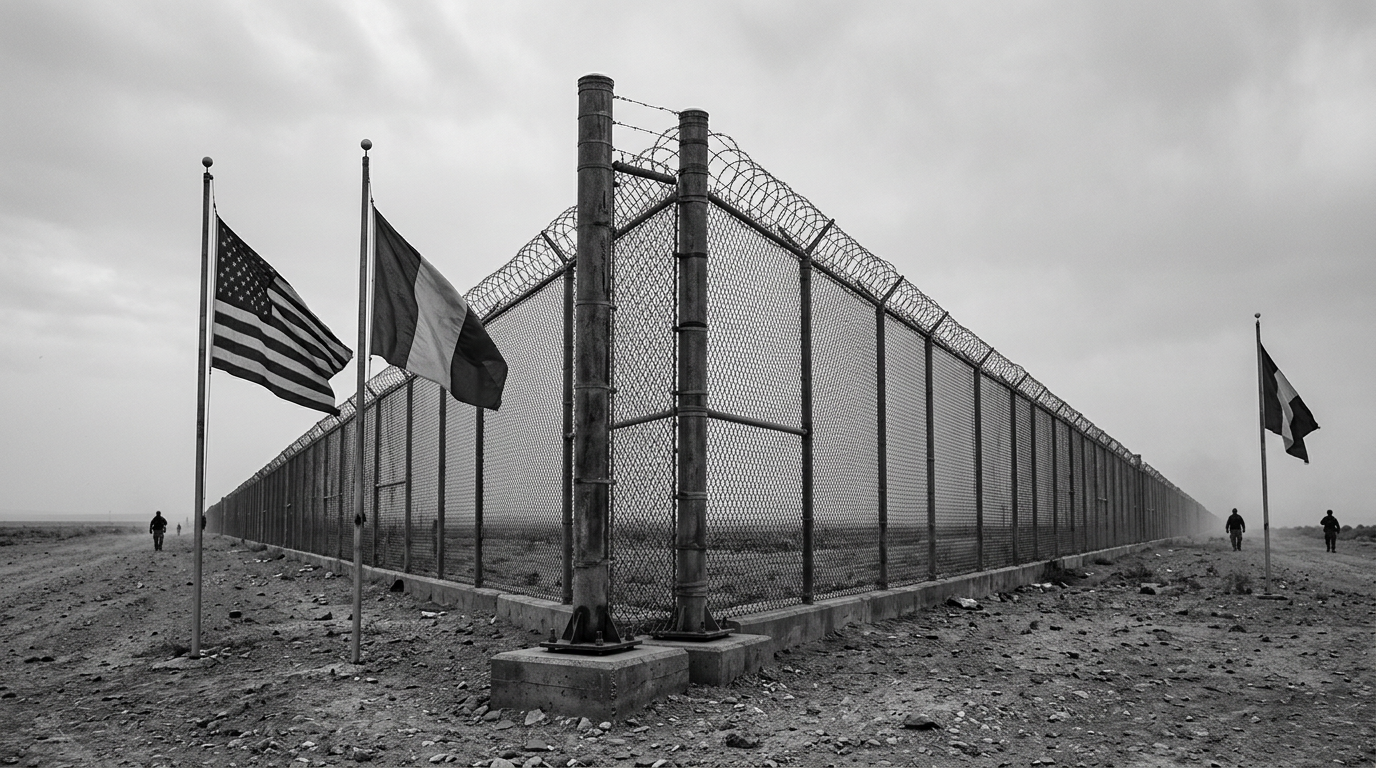
A Meloni-Trump spat intensified on June 19 after Donald Trump told Italian broadcaster La7 that Giorgia Meloni had “begged” him for a photo at the G7 summit. Meloni rejected the account as false and said it signaled disrespect toward long-standing allies.
The dispute quickly moved beyond rhetoric. Italian Foreign Minister Antonio Tajani canceled a planned trip to the United States next week, and an Italy-U.S. business conference scheduled for Monday in Miami was called off, the Italian embassy said.
Rome denounces Trump’s account of a G7 moment
Speaking in Rome, Meloni said she was “astonished” by Trump’s comments and described them as “completely made up.” She also criticized what she portrayed as a pattern of greater courtesy toward the West’s adversaries than toward traditional partners.
Trump’s remarks came in a short La7 interview after he himself prompted a question about the Italian leader. In the translated excerpt aired by the channel, he said he “didn’t have to talk to her” and claimed she had wanted a picture “so badly” that he agreed only because he “felt sorry for her.”
Video from the G7 in France showed Meloni and Trump seated closely on a small sofa and engaged in a lengthy conversation. The imagery contrasted with Trump’s portrayal of the interaction as reluctant indulgence.
Diplomatic and business fallout follows within days
The Italian government’s reaction was underscored by Tajani’s decision to scrap his U.S. visit. The cancellation also led to the Miami business conference being called off, an unusual step given the event’s focus on trade and investment ties.
The U.S. State Department did not respond to questions about Tajani’s canceled trip, according to the report. No alternative dates for the ministerial travel or the business gathering were announced.
The episode marks a sharper turn in a relationship that had shown signs of stabilization only days earlier. At the G7 summit, the two right-leaning leaders appeared to be managing strains that had emerged amid disagreements linked to the Middle East conflict.
Why the spat matters for alliance politics and messaging
The confrontation highlights how quickly leader-level messaging can spill into practical diplomacy. Even when formal policy disputes are limited, personal slights can complicate coordination and create openings for domestic political narratives on both sides.
For Italy, Meloni has positioned herself as a central European partner for Washington while maintaining a distinct political brand at home. Publicly disputing Trump’s version of events allows her to defend standing and signal that alliance relationships should be treated with consistency and respect.
For the United States, the remarks risk reinforcing perceptions of unpredictability in dealings with allied leaders. They also test whether working-level channels can keep cooperation moving when public exchanges turn personal.
Next steps will likely center on whether Rome and Washington can reschedule the canceled engagements and prevent a broader chill in contacts. Observers will watch for any official readouts, revised travel plans, or shifts in tone ahead of upcoming international meetings where both sides typically coordinate positions.