

Indonesian authorities arrest 2 men over Prabowo Iran posts
The cases renew scrutiny of Indonesia’s reliance on criminal sanctions for allegedly false online information and political expression.
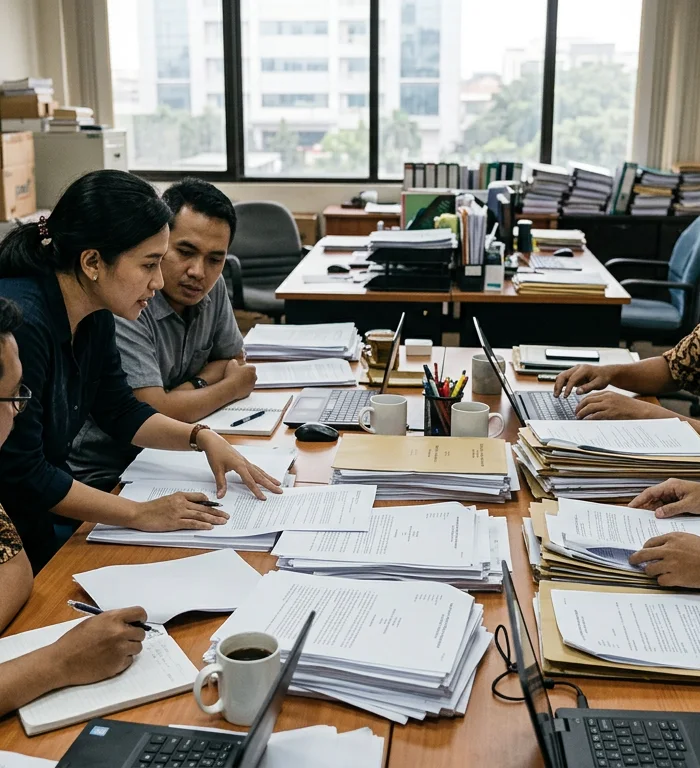
Indonesian authorities arrested two men in Bandung in early August 2026 over online posts responding to President Prabowo Subianto’s Iran remarks, The Diplomat reported in a Nov. 12 analysis.
The cases matter because Indonesia’s 2024 amendment to the Information and Electronic Transactions Law expanded liability beyond consumer-related falsehoods to false information said to cause public unrest.
The arrests followed responses to Prabowo’s statement that Iran possesses nuclear weapons, which The Diplomat described as false. One person published a post that could be interpreted as political satire, while the other allegedly posted a comment that authorities considered provocative and inciting violence.
Authorities investigated the two citizens under provisions on fabricated online information and online threats in the Information and Electronic Transactions Law, known as the ITE Law. They were also investigated under Indonesian Criminal Code provisions concerning hostility and threats against public officials.
The episode has sharpened questions about how Indonesia separates political satire and criticism from unlawful expression, including false information, threats and incitement to violence. The analysis said the ITE Law broadly criminalizes several forms of online expression, including online defamation, hate speech and threats.
The article cited the case of Khariq Anhar, a student activist prosecuted over a social-media post related to the August 2025 demonstrations. A court argued the post sparked public disturbance, though it was intended as political satire, according to The Diplomat.
Civil society has raised concerns about how the government’s legal approaches have undermined human rights and democratic principles, according to the analysis. The article said criminal penalties for these offenses have faced scrutiny and have been challenged before Indonesia’s Constitutional Court, but remain in force.
The Diplomat said a 2026 study by the article’s author and colleagues found criminal law remains one of the most common responses to misinformation and disinformation. Since 2023, the analysis said, newer regulatory models have focused more on platform systems governance, victim-centered remedies and provenance regulation.
More stories
- Germans oppose Ukraine aid as poll shows support slipping
- Kim Jong-un receives 10 envoys after constitutional shift
- Ukraine claims Libya strike sinks Russian naval corvette
- COP31 climate talks collapse over fossil fuels and funds
- Russian military faces 1,087 recorded suicides in Ukraine war
- US faces China, Russia in Africa minerals contest
- North Korea changes flag as Kim reshapes national symbols
- Nvidia names Kress interim CEO after Huang exits in scandal
- Megaspeed faces US scrutiny over $3bn asset jump
- US pauses Iran military action after 8 months of war
Latest news
- Trump prepares tariffs on China and other major exporters
- New-car buyers pay record average $50,087 in October
- Banks face ECB reserve debate over liquidity and profits
- Investors see Anthropic debut gains fade below $83 a share
- Iraq orders federal control over Kurdish-area oilfields
- Nvidia shares retreat as AI rally cools before PCE data
- Macy’s parade faces balloon limits as storm winds approach