

IDF General details hostage abuse as pressure builds on government
Major General Bar Kalifa’s testimony at a memorial event intensifies domestic political strain regarding the ongoing hostage crisis and ceasefire negotiations.
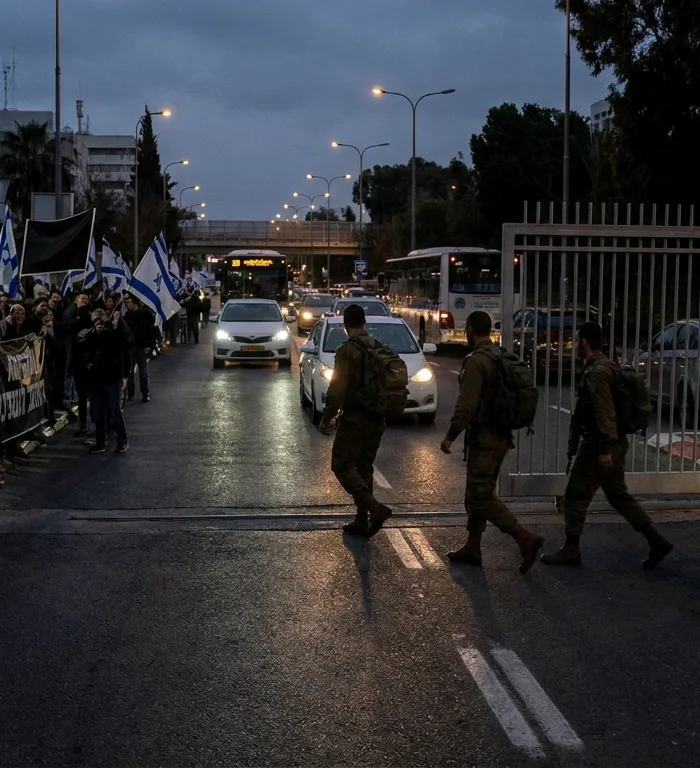
Testimony highlights lingering security crisis
Major General Bar Kalifa, head of the Israel Defense Forces Personnel Directorate, recounted details of abuse endured by a former hostage during a recent Southern Command memorial event. The account, centered on the psychological and physical conditions faced in captivity, underscored the continuing impact of the October 7 attacks on both military strategy and civilian policy.
Kalifa, who previously commanded the 36th Division during operations in the Gaza Strip, utilized the platform to address the emotional toll on soldiers and the public. The disclosure reflects a broader internal shift where security officials are increasingly vocalizing the necessity of addressing the hostage situation alongside military objectives.
Domestic political and strategic divide
The Israeli security establishment remains internally divided over the prioritization of hostage recovery versus the complete dismantling of Hamas infrastructure. This strategic tension has been exacerbated by the stalling of mediated ceasefire talks involving Qatar, Egypt, and the United States.
Negotiations have repeatedly hit impasses over the control of the Philadelphi Corridor and disagreements regarding the ratios of prisoner swaps. These obstacles have contributed to deepening friction between the professional military leadership and the political cabinet of Prime Minister Benjamin Netanyahu.
Broader regional and diplomatic implications
The hardening domestic ceiling for the Israeli government limits the political maneuverability required for regional ceasefire concessions. Military reserve ranks are reportedly experiencing growing fatigue, complicating long-term operational planning for the IDF.
Major General Bar Kalifa
The humanitarian and security crisis continues to affect the wider regional outlook, as the potential for escalation in northern Gaza remains high. The inability to reach a definitive agreement maintains the current risk profile for shipping through the Red Sea and broader stability across the Levant.
Monitoring future negotiation mandates
The primary indicator of a policy shift will be the resumption of high-level ceasefire talks in Doha or Cairo, specifically regarding updated mandates from the Israeli security cabinet.
If the internal pressure from hostage families and senior military officials forces a change in the government’s negotiating position, a structural breakthrough may occur before November 30, 2024. Should the current status quo persist, the expectation remains for continued military engagement with no immediate progress on prisoner exchanges.
More stories
- Germans oppose Ukraine aid as poll shows support slipping
- Kim Jong-un receives 10 envoys after constitutional shift
- Ukraine claims Libya strike sinks Russian naval corvette
- COP31 climate talks collapse over fossil fuels and funds
- Russian military faces 1,087 recorded suicides in Ukraine war
- US faces China, Russia in Africa minerals contest
- Iran changes Hormuz attack tactics, senior officials say
- Ethiopian troops reach Zalambessa border town, sources say
- Dubai schools reopen as expat demand meets conflict test
- EU diplomatic service faces Commission split under budget
Latest news
- Trump prepares tariffs on China and other major exporters
- New-car buyers pay record average $50,087 in October
- Banks face ECB reserve debate over liquidity and profits
- Investors see Anthropic debut gains fade below $83 a share
- Iraq orders federal control over Kurdish-area oilfields
- Nvidia shares retreat as AI rally cools before PCE data
- Macy’s parade faces balloon limits as storm winds approach