EU diplomatic service faces Commission split under budget
The European Commission is studying a partial EEAS split as France and Germany push to fold functions into EU executive departments.
Claire Dubois ·
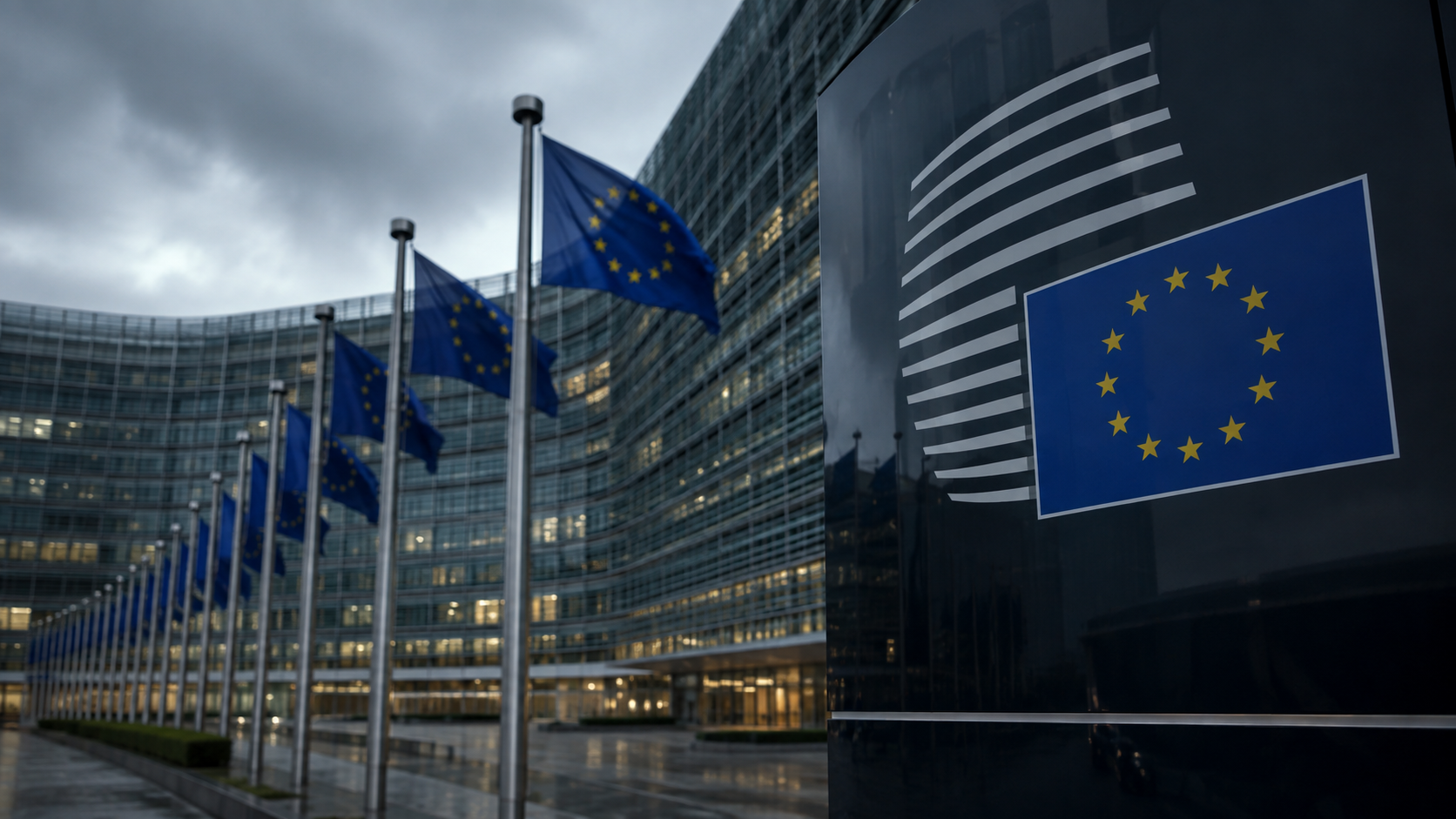
The EU diplomatic service faces a possible split, putting its €1 billion-a-year operation into the EU’s 2028-34 budget fight.
European Commission officials are examining whether parts of the European External Action Service, or EEAS, should move into existing executive departments, according to people briefed on the process. The review follows pressure from France and Germany, which want reform options on Brussels’ foreign policy system by the end of the year.
Commission weighs EEAS transfers
The plan under study would not turn the EEAS into a single Commission foreign policy directorate, the people said. Instead, functions would be divided across departments that already handle trade, aid, digital regulation and technology.
Officials from the Commission’s secretariat-general, legal division and budget teams are involved in the work, according to the people briefed. Supporters of a transfer argue that it would reduce overlap between diplomatic planning and the Commission’s economic tools.
The EEAS is led by Kaja Kallas, the EU’s chief diplomat, and sits outside the Commission’s normal departmental structure. A partial reversal would revisit one of the bloc’s main institutional changes of the past two decades.
Paris and Berlin set pace
France and Germany have pushed the issue through the summer, first through a French paper on possible changes and then a joint declaration in July. A newer Franco-German document called for placing EEAS services “to a large extent” inside Commission structures.
The two governments want EU leaders to discuss reform ideas at a summit next month, according to people familiar with the preparations. A broad framework could be tied to December talks on the EU’s 2028-34 budget, when capitals will also argue over spending limits.
The Commission has confirmed that discussions are under way. “There are ongoing reflections and discussions on how to reform and strengthen the EU’s external action,” a Commission spokesperson said, adding that Brussels must adapt its tools, structures and decision-making to the geopolitical environment.
Kallas authority enters negotiations
Kallas has signaled resistance to moving services into the Commission unless her own authority expands with them. After meeting EU foreign ministers, she said “The majority [of ministers] supported the current institutional set-up.”
France and Germany have proposed giving Kallas a stronger role in a redesigned system, including greater oversight of a larger external relations portfolio inside the Commission. Kallas told reporters that concentrating external action services in the Commission would need to be matched by oversight from her office.
A smaller EEAS would remain outside the Commission under the version described by people briefed on the work. It would keep responsibility for areas such as EU peacekeeping operations and military training missions.
Budget savings meet crisis pressure
The reform drive comes as national capitals press Brussels to limit spending in the next long-term budget. The EEAS’s roughly €1 billion annual cost has become a target for governments looking for savings and cleaner chains of command.
The pressure also reflects frustration with how the EU coordinates foreign policy during crises, including the war in Ukraine, conflict involving Iran, President Trump’s foreign policy and the wider use of trade and investment pressure by states. Backers of the review say the Commission’s control of trade, aid and regulation gives it tools that diplomatic structures alone cannot deploy.
If leaders agree on a December framework, the global macro effect would run through faster coordination of sanctions, aid and trade measures, not through a direct budget shock. The EEAS would lose some operational reach, while EU-facing industries would deal with a Commission that links diplomacy more closely to market access, technology rules and development funding.
If foreign ministers block the transfer, the EU would preserve national steering over foreign policy but leave duplication claims unresolved. That outcome would protect the EEAS’s current role while keeping companies, defense contractors and aid groups navigating separate diplomatic and Commission channels.
A compromise would give Kallas wider oversight while moving selected services into the Commission. Under that path, the EU’s macro leverage would depend on whether diplomacy and economic policy align in practice; the EEAS would shrink but retain a command role, and the wider foreign policy sector would adjust to a more centralized Brussels process.